US President Trump Announces Extension of Israel-Lebanon Ceasefire for Three Weeks
Ceasefire between Israel and Lebanon extended amid ongoing diplomatic efforts and US mediation.
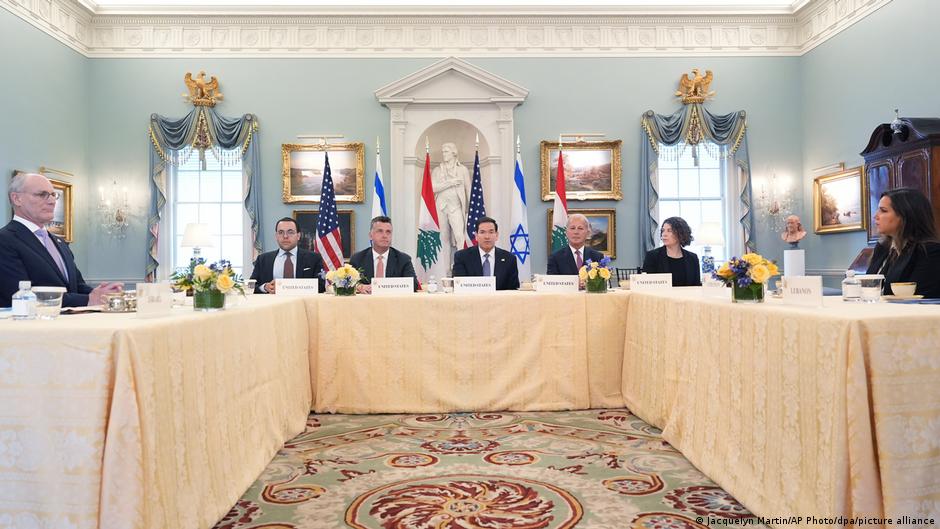
The ceasefire between Israel and Lebanon will be extended for an additional three weeks, announced US President Donald Trump on April 23 via his social media platform Truth Social. This development follows high-level diplomatic meetings involving US and regional officials.
Diplomatic Engagement and Ceasefire Extension
The extension agreement came after a meeting involving President Trump, Vice President J.D. Vance, Secretary of State Marco Rubio, US ambassadors to Israel and Lebanon Mike Huckabee and Michelle Issa, as well as senior representatives from both Israel and Lebanon. President Trump described the meeting as "very successful" and emphasized the United States' commitment to working with Lebanon to help protect it from the influence and threat of the Hezbollah movement.
"The meeting was a great success! The United States will cooperate with Lebanon to help it defend itself against Hezbollah," Trump stated.
In addition, President Trump expressed anticipation for hosting Israeli Prime Minister Benjamin Netanyahu and Lebanese President Joseph Aoun in the near future, highlighting the significance of the ongoing diplomatic engagement as a historic milestone.
Background and Context
These developments build upon earlier diplomatic breakthroughs. On April 14, direct negotiations between Israeli and Lebanese representatives were held in Washington for the first time since 1993. These talks, led by the ambassadors of both countries to the United States, aimed to establish a pathway toward peaceful conflict resolution. The US State Department characterized the meeting as a "historic milestone" and pledged continued support to both nations to facilitate comprehensive peace negotiations.
Furthermore, on April 9, Israel’s government announced that Prime Minister Netanyahu had authorized direct peace talks with Lebanon focusing on the disarmament of Hezbollah, a radical Islamist group allied with Iran, and the establishment of peaceful bilateral relations.
As the ceasefire extension coincides with these diplomatic efforts, markets and regional observers are closely monitoring the situation for its potential impact on geopolitical stability and related economic sectors.