US Imposes Sanctions on Cuba’s State Oil Company Amid Escalating Tensions
Washington targets Cuba’s Union Cuba Petroleo (CUPET) to curb regime's energy trade and increase pressure on Havana’s communist leadership.
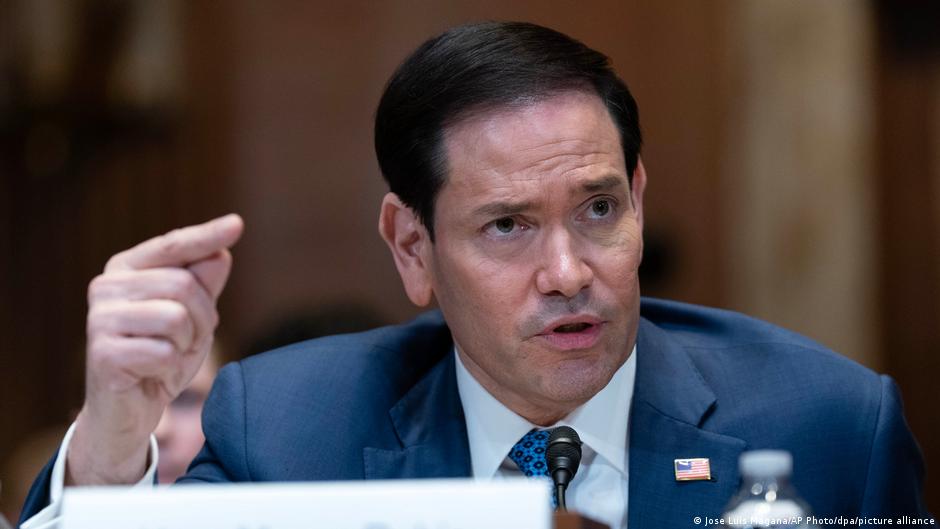
The United States government announced new sanctions against Cuba’s state oil and gas company, Union Cuba Petroleo (CUPET), intensifying existing economic and political pressure on the island nation. The announcement came from U.S. Secretary of State Marco Rubio on June 11, reflecting heightened tensions between Washington and Havana.
Sanctions Target Cuba’s Energy Sector to Undermine Regime Control
Secretary Rubio explained the rationale behind the sanctions on social media, stating that Cuba’s communist elite uses the energy sector as a tool for social control and kleptocratic enrichment. CUPET was added to the U.S. Department of the Treasury’s Specially Designated Nationals (SDN) list, prohibiting American citizens and companies from conducting business with the company. Furthermore, entities and individuals outside the U.S. risk penalties if they engage in transactions with CUPET.
"Washington will continue to strike at the regime's ability to use energy trade to promote its corrupt agenda and suppress the Cuban people," Rubio stated.
This move is part of a broader U.S. strategy to pressure Cuba’s government by targeting sectors critical to the regime’s economic and political leverage.
Broader Crackdown on Cuban Leadership and Allies
The CUPET sanctions build on prior U.S. measures against Cuban officials. Earlier in June, the White House imposed economic sanctions on Cuban President Miguel Díaz-Canel and relatives of former leader Raúl Castro. Sanctions on Díaz-Canel, initially enacted by the State Department in mid-2023, now extend to his wife and stepson. Members of Raúl Castro’s family, including his son and a grandson, were also targeted.
Raúl Castro, brother to revolutionary leader Fidel Castro, though no longer holding official positions, remains influential in Cuba’s governance. Last month, the U.S. accused Raúl Castro of involvement in a 1996 incident involving the destruction of two civilian aircraft, resulting in four deaths.
Strategic Implications Amid Cuba’s Worsening Economic Crisis
The sanctions arrive amid Cuba’s deepest economic crisis since the Soviet Union’s collapse, marked by frequent electricity shortages and critical fuel scarcities. The island’s heavy reliance on Venezuelan oil, historically its main supplier, has been disrupted since the U.S.-backed removal of Venezuelan President Nicolás Maduro in January. Venezuela ceased its shipments to Cuba, exacerbating the energy crisis and further destabilizing the country.
Cuba, located just 145 kilometers from the southern tip of Florida, has been under a U.S. economic embargo since 1962. In recent months, Washington has steadily increased pressure on Havana, with Cuban officials accusing the U.S. of seeking a pretext for military intervention. Former President Donald Trump repeatedly threatened to "take control" of the country during his tenure.
As the geopolitical standoff continues, U.S. sanctions targeting Cuba’s energy sector and leadership signal an intensified effort to weaken the regime’s control by limiting critical economic resources and isolating key figures within the Cuban government.