US Extends Temporary License Allowing Serbia’s NIS to Operate Amid Sanctions
The US prolongs the operational license for Serbia’s NIS under sanctions, enabling ongoing crude processing as ownership transition continues.
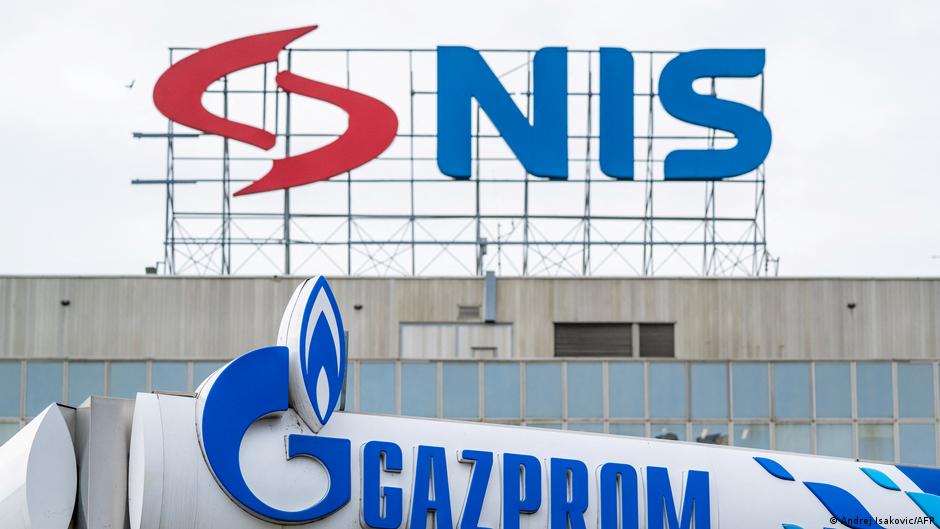
The United States has once again extended the temporary license permitting Serbia’s oil company Naftna Industrija Srbije (NIS) to operate despite being subject to US sanctions. The latest extension adds 30 more days for the company to complete the transition of ownership and continue its operations uninterrupted.
The announcement was confirmed on June 30 by Serbia’s Minister of Energy, Dubravka Đedović-Handanović, referencing information received from the US Treasury’s Office of Foreign Assets Control (OFAC). The license extension allows NIS, which is under Russian control through Gazprom’s stake, to maintain its day-to-day activities, including crude oil refining at the Pančevo plant.
Background and Impact of Sanctions on NIS Operations
NIS was included on the US sanctions list in January 2025 due to Gazprom’s ownership stake in the company. Specifically, the US demands that Gazprom Neft and its associated firm Intelligence divest their combined 56% share in NIS. These restrictions took effect in October 2025, resulting in the suspension of crude oil deliveries via the Adriatic pipeline (JANAF) through Croatia and a halt in production at the Pančevo refinery.
On January 19, 2026, Hungary’s largest oil and gas company, MOL Group, signed an agreement to acquire Gazprom’s and Gazprom Neft’s shares in NIS. Initially, the OFAC granted the parties until May 22 to finalize the deal but has since extended the deadline multiple times, demonstrating ongoing regulatory flexibility amid geopolitical tensions.
“The Pančevo refinery continues to process crude oil,” Minister Đedović-Handanović stated, underscoring the importance of the license extension in sustaining Serbia’s fuel supply.
Ownership of NIS is divided as follows: Gazprom Neft holds a 44.9% stake, Gazprom’s investment unit owns 11.3%, and the Serbian government controls 29.9%. NIS plays a critical role in Serbia's energy landscape, covering approximately 80% of the country's gasoline and diesel demand, and over 90% of its jet fuel and heavy fuel oil requirements.
The US decision to repeatedly extend the temporary operational license for NIS highlights a cautious approach to sanction enforcement, balancing geopolitical objectives with the practical necessity of maintaining energy supplies in Serbia and the broader region.