Venezuela Releases 131 Political Prisoners Following National Reconciliation Talks
The Venezuelan government freed 131 political detainees and agreed on judicial reforms after initial dialogue with the opposition.
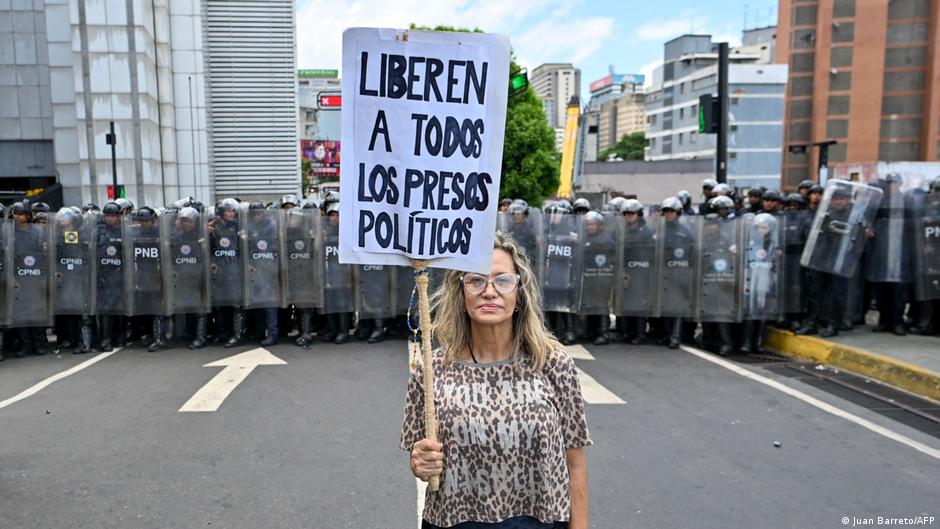
In a significant development amid ongoing political tensions, the Venezuelan government released 131 political prisoners following the first round of national reconciliation talks with opposition representatives. The progress marks a notable step toward easing internal conflicts and fostering dialogue in the country.
Details of the Release and Negotiations
On August 14, shortly after the initial round of negotiations concluded on August 12, the Venezuelan authorities freed 131 individuals previously detained on allegations of crimes related to political activity. The government reported that those released were subject to "alternative measures of restriction of freedom," though specific details about these measures have yet to be clarified.
"Not all are released, but all deserve full freedom. Let us continue to demand it relentlessly until every citizen reunites with their family," stated Dinora Figuera, head of the opposition delegation, endorsing the move but emphasizing the need for further action.
These talks, conducted between the interim government and the opposition, also resulted in an agreement on judicial reforms, aiming to address systemic issues within the Venezuelan legal system.
International Support and Political Context
The United States government praised the release as "an important step toward national reconciliation." U.S. Secretary of State Marco Rubio highlighted that since the beginning of the year, over 1,046 political prisoners have been freed in Venezuela, underscoring ongoing international pressure on Caracas.
Washington has actively supported the negotiations process. Even before the dialogue commenced, under U.S. influence, Venezuela's acting president Delcy Rodríguez signed an amnesty law that facilitated the release of several hundred political detainees.
This development could influence market sentiment in Venezuela and the broader Latin American region by signaling increased political stability and potential easing of international sanctions. Market participants should watch for ensuing policy changes and possible impacts on sectors sensitive to political risk.