Ukraine Gains Momentum Over Russia Amid Expanding Deep-Strikes and Territorial Gains
Ukraine appears to have seized the initiative from Russia, increasing deep strikes and regaining territory lost since August 2024.
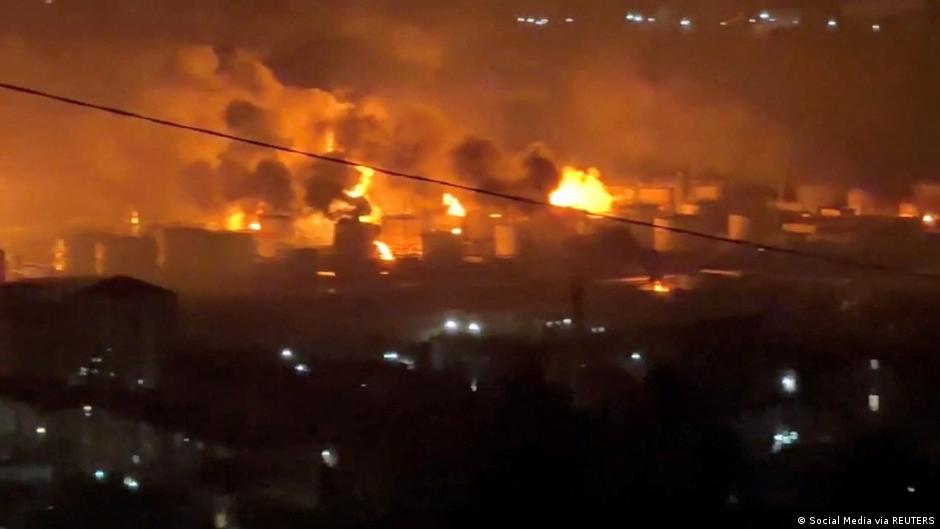
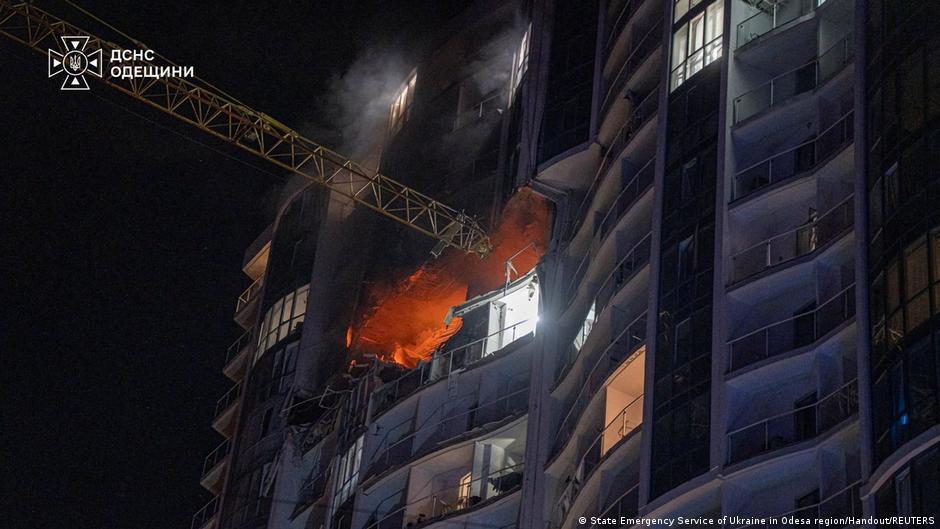
The dynamics of the ongoing conflict between Ukraine and Russia reveal a significant shift, as Ukraine escalates the scale, range, and intensity of its military operations deep into Russian territory. According to recent analyses, Ukraine has not only reversed territorial losses but is also inflicting unprecedented damage on Russia’s military and economic infrastructure.
Strategic Shifts and Increasing Deep-Strikes
Following a harsh winter marked by relentless Russian drone and missile attacks targeting Ukrainian cities and energy systems, Ukraine has turned the tide in its favor.
"Nearly every action Ukraine takes now inflicts increasingly significant damage on Russia,"a recent report highlights, indicating a marked improvement in Ukraine’s operational capabilities.
Contrasting with Russia’s underwhelming spring offensive, which failed to yield meaningful gains, April 2026 data shows that Russian forces lost more territory than they captured for the first time since August 2024. The Institute for the Study of War (ISW) and other sources estimate that Russia relinquished control over approximately 133 square kilometers of territory within the past month.
Moreover, Ukraine has surpassed Russia in conducting long-range drone strikes for the first time. In March, Ukraine increased its drone sorties targeting military and economic sites up to 2,000 kilometers from its borders—reaching approximately 70% of the Russian population within drone strike range.
Human and Military Costs Reflect Intensified Conflict
Since the commencement of the full-scale invasion, Russian military casualties—including killed and severely wounded—are estimated at 1.4 million personnel, with monthly losses averaging around 35,000. This attrition, combined with Ukraine’s improved tactical initiatives, underlines the deteriorating position of Russian forces.
Experts emphasize the critical importance of the upcoming months. Sir Lawrence Friedman, an honorary professor at the Royal College of Defence Studies, notes that the conflict’s trajectory will depend heavily on Russia’s capacity to counter Ukraine’s advances in drone warfare and whether it can muster sufficient forces for a potential summer offensive.
On May 11, EU High Representative for Foreign Affairs and Security Policy Josep Borrell, following a meeting of EU foreign ministers in Brussels, stated that Ukraine's strategic position is substantially stronger than a year ago, while Russian President Vladimir Putin is in a weaker position than ever before.
These developments collectively suggest a dynamic shift in the conflict’s momentum, signaling a potential recalibration of military strategies on both sides.