Russia Reduces Drone and Missile Strikes on Ukraine in June by Up to 29%, Analysts Cautious
June saw a notable drop in Russian drone and missile attacks on Ukraine, but experts warn this may be a temporary shift amid ongoing conflict dynamics.
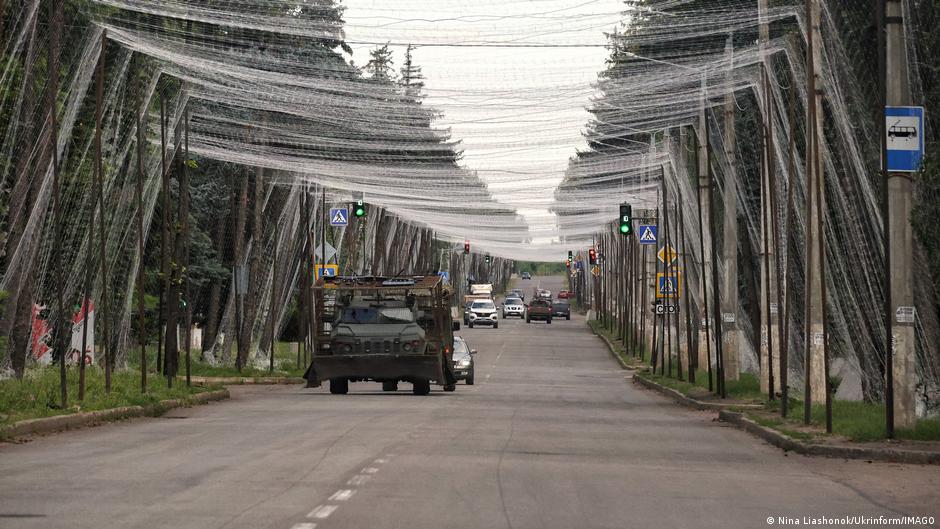
In June, Russia significantly decreased its use of drones and missiles in attacks on Ukraine compared to May, according to an analysis based on data from the Ukrainian Air Force, reported by AFP on July 1. The data shows a 29% reduction in drone strikes and a 15% decrease in missile attacks, though analysts caution against interpreting this as a definitive new trend.
Decline in Strikes Amid Conflicting Factors
The analysis revealed that Russia launched 5,749 drone strikes and 180 missile attacks on Ukraine during June. This contrasts with May figures, when Russia used 8,150 drones—a record monthly total since the full-scale invasion began in February 2022—and 211 missiles. The May peak underscores the scale of the conflict’s recent escalation.
"It is too early to conclude that this reduction marks a lasting trend; operational and logistical considerations may be influencing Russia's current attack patterns," said analysts consulted by AFP.
Experts suggest several possible reasons for the decline. One hypothesis is that Russia might be conserving resources and replenishing drone inventories in preparation for intensified operations in the autumn. Another factor could be the continuing impact of supply chain disruptions, particularly regarding Shahed drones sourced from Iran, exacerbated by recent geopolitical tensions involving the United States and Israel.
Alternatively, if the reduction signals the start of a sustained trend, some analysts point to potential strain within Russia’s military-industrial complex or challenges in drone production and delivery as underlying causes.
Ukraine's Counterstrikes Intensify Fuel and Defense Sector Pressure
Meanwhile, Ukrainian forces reportedly increased their retaliatory strikes on Russian targets in June. These strikes primarily targeted fuel infrastructure such as oil refineries, depots, and ports, contributing to a significant fuel shortage within Russia. This strategic focus on energy assets aims to disrupt Russia's logistical and operational capabilities.
In addition to targeting energy facilities, Ukraine has also struck at Russia’s defense industry. Notably, a reported attack hit the Voronezh Semiconductor Device Plant, a key manufacturer of electronics components used in missile systems like the "Iskander" tactical missile complex.
This dual approach of counterattacks on both fuel and defense production sites highlights ongoing sector rotation in the conflict, where each side adapts its targeting strategy in response to battlefield developments and operational needs.
The fluctuating intensity and focus of strikes on both sides underscore the dynamic nature of the conflict and the interplay between resource management, military capacity, and strategic objectives.