Russian Missile Strikes Hit Kyiv and Kryvyi Rih Causing Casualties and Fires
Ballistic missile and drone attacks by Russian forces on Kyiv and Kryvyi Rih result in one death and multiple injuries amid fires in industrial and urban areas.
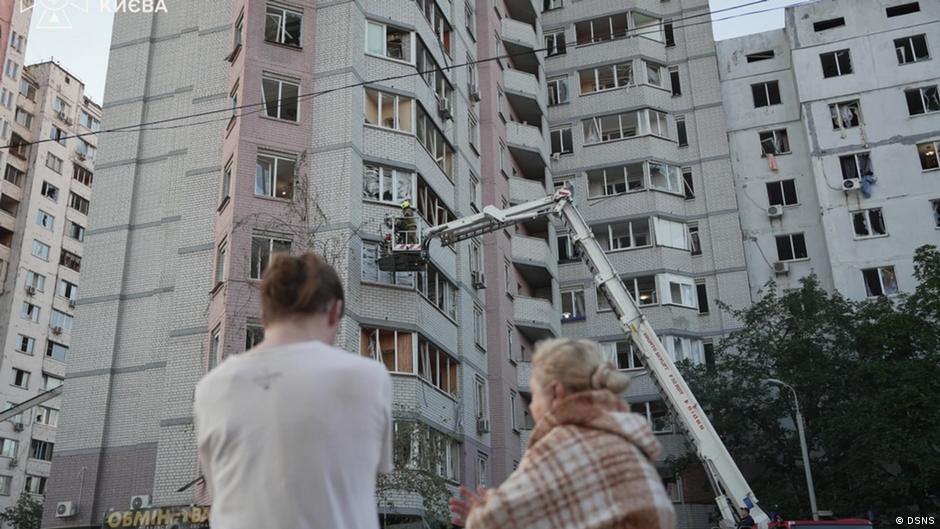
Russian military forces launched ballistic missile and drone attacks against Kyiv and Kryvyi Rih during the night of August 16, causing casualties and fires in several districts of the Ukrainian capital and industrial zones in Kryvyi Rih.
Details of the Attacks and Immediate Impact
According to reports from Kyiv's city military administration and local officials, the missile strikes ignited fires in two districts of the city. In the Obolonskyi district, located in the northern part of Kyiv, debris fell and caused fires in several non-residential buildings. Additionally, multiple vehicles caught fire in the area. Vitali Klitschko, Kyiv’s mayor, confirmed these incidents and noted another fire in the Holosiivskyi district to the south, also affecting non-residential infrastructure. One person was injured in these attacks.
Earlier this month, Russian forces conducted missile strikes on Kyiv during the night of August 11, igniting fires at warehouses in the Shevchenkivskyi district. That strike also caused damage within the grounds of a children's hospital, with at least one reported injury.
In Kryvyi Rih, located in the Dnipropetrovsk region, Russian forces targeted industrial facilities with ballistic missiles and strike drones overnight on August 16. Alexander Ganja, head of the Dnipropetrovsk regional military administration, reported that one person was killed and at least six others were wounded in these attacks. Medical assistance is being provided to those injured.
"The attack struck industrial objects in Kryvyi Rih, resulting in casualties and ongoing medical aid for the wounded," stated regional authorities.
These latest missile and drone strikes indicate a continuation of Russia’s strategic targeting of Ukraine’s urban centers and industrial infrastructure, contributing to ongoing volatility in the region’s security situation.
Market participants monitoring the situation should be aware of potential disruptions to industrial output and regional supply chains, as well as the psychological impact on investor confidence amid escalating military tensions.