Italy and Germany Concerned Over Israel’s Interception of Gaza Aid Flotilla
Rome and Berlin urge adherence to international law following Israel’s halt of humanitarian vessels near Greece
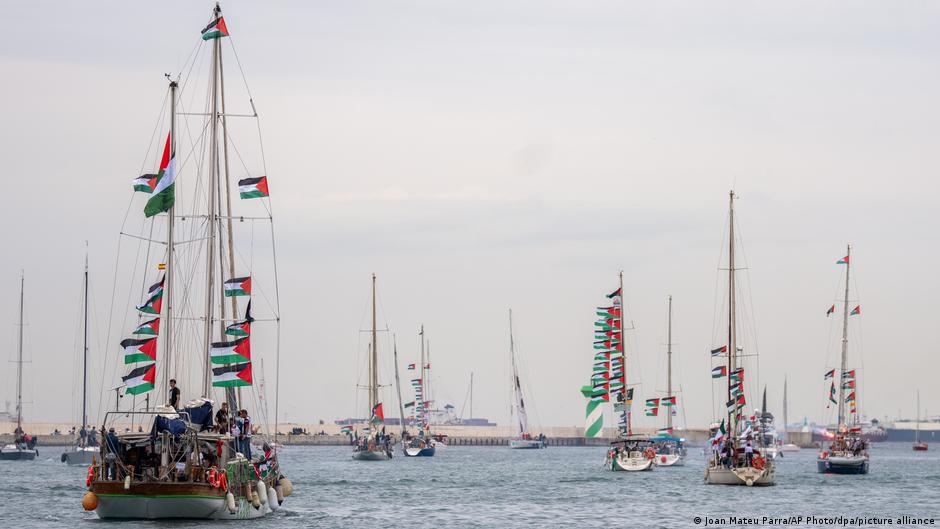
Italy and Germany have expressed serious concern over Israel’s interception of a humanitarian aid flotilla bound for the Gaza Strip. The two countries called for strict compliance with international law and urged restraint amid escalating tensions surrounding the delivery of aid.
Interception in International Waters Raises Diplomatic Tensions
In a joint statement released on April 30, the foreign ministries of Germany and Italy highlighted ongoing developments involving the Global Sumud Flotilla, a group of over 20 vessels carrying humanitarian supplies destined for Gaza. The flotilla was stopped by the Israeli Navy in international waters near the Greek island of Crete during the night, with dozens of activists detained.
"We call for the unequivocal respect of applicable international law and a rejection of irresponsible actions," the statement emphasized, underscoring the commitment of both nations to the international community’s efforts to deliver humanitarian aid to Gaza in accordance with global legal standards.
"We call for the unequivocal respect of applicable international law and a rejection of irresponsible actions." — Joint statement from Italy and Germany
Following the interception, some vessels resumed their journey along the coast of Crete within Greek territorial waters, according to Marine Traffic tracking data. The flotilla organizers have yet to announce their next steps.
The flotilla departed from a Sicilian port on April 26, marking what organizers claimed to be the largest aid convoy ever attempting to reach Gaza. The objective is to challenge the Israeli maritime blockade in place since 2007 – a blockade also supported by Egypt – and to deliver critical humanitarian aid to the enclave.
The Global Sumud Flotilla also aims to facilitate the establishment of a permanent humanitarian corridor for ongoing assistance to Gaza.
Notably, Swedish environmental activist Greta Thunberg confirmed her participation in a similar aid flotilla in August 2025, which was also organized by Global Sumud Flotilla. Thunberg emphasized the mission to open humanitarian access to Gaza and increase aid deliveries.
Context of Ceasefire and Humanitarian Efforts in Gaza
In October 2025, Israel and Hamas agreed to a ceasefire brokered under a U.S.-led peace plan developed during Donald Trump’s presidency. The United States, Turkey, Qatar, and Egypt serve as guarantors for the agreement. As part of this plan, Hamas released surviving Israeli hostages in exchange for the release of Palestinian prisoners held in Israel.
In January, the White House announced the commencement of the second phase of the peace plan, which involves transferring governance of Gaza to a National Committee until the Palestinian National Authority is ready to assume control.
The ongoing political and military developments underscore the fragile humanitarian situation in Gaza, making the delivery of aid both critical and highly sensitive amid regional security concerns.