Central Bank Holds Key Rate at 14% Amid Persistent Inflation and External Risks
Despite easing inflation, Central Bank maintains interest rate due to rising food prices and external economic uncertainties.
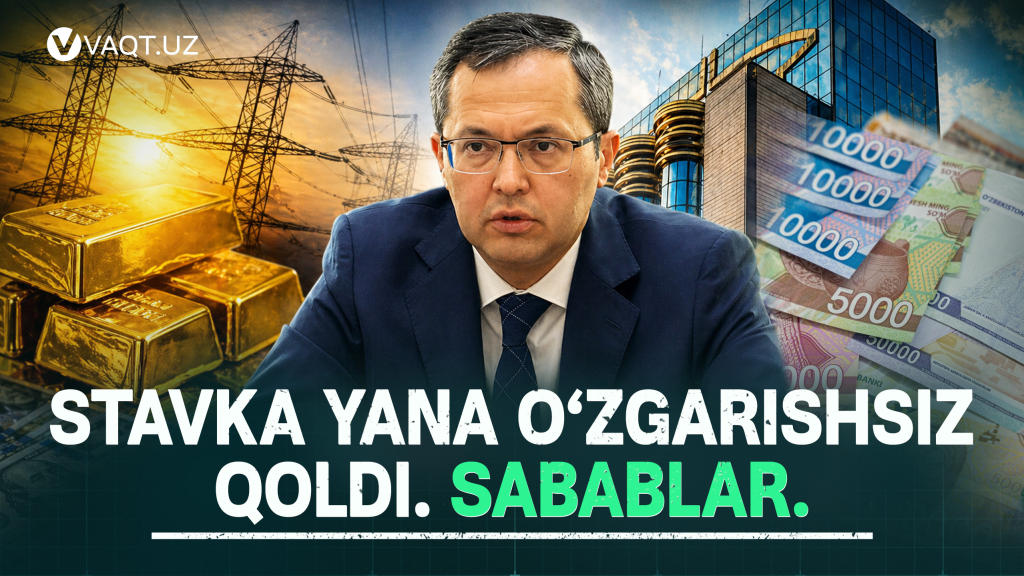
On April 29, the Central Bank's board decided to keep the key interest rate steady at 14% per annum. This decision was based on careful analysis of current economic conditions, inflation trends, and external risks facing the economy.
Inflation Trends and Economic Growth
According to the regulator, overall inflation is on a downward trajectory, with annual inflation recorded at 7.1% in March 2024. Inflation expectations have also shown signs of decline, signaling a positive development for economic stability.
However, a major challenge remains: food prices continue to rise at a rapid pace. Prices for essential consumer goods remain elevated well above the general inflation rate. The Central Bank views these trends as insufficient grounds to reduce the key rate at this time.
"Although inflation is decreasing, the process has slowed, and in some segments, inflationary pressures persist," said Central Bank Chairman Temur Ishmetov, noting that the board considered only maintaining the current rate during the meeting.
Inflation calculations incorporate factors such as energy tariffs and utility prices. The 10% tariff indexation announced at the start of the year was included in forecasts, though exact figures are yet to be confirmed.
External economic influences are also intensifying pressures. The International Monetary Fund has downgraded global growth forecasts and highlighted ongoing inflation risks. Fluctuations in energy and food prices, in particular, pose potential impacts on the domestic market.
In the first quarter, Uzbekistan's economy grew by 8.7%, surpassing forecasts and potentially fueling domestic demand and inflationary pressures. This growth factor was also taken into account in the decision-making process.
Additional Factors and Outlook
The ongoing privatization of state-owned banks such as Sanoatqurilishbank, Aloqabank, and Asakabank is progressing, with the Central Bank involved in assessments but not directly managing the process.
On currency policy, the regulator maintains a firm stance, keeping the exchange rate regime free-floating without artificial interventions to influence the rate.
Looking forward, the Central Bank emphasizes that inflation dynamics and risk factors will be decisive. Should inflationary pressures diminish, a rate cut may be considered; otherwise, monetary policy could tighten further.