Uzbekistan Halts Gold Exports for Six Months, Impacting Trade Balance
Gold export suspension causes nearly 30% decline in Uzbekistan’s exports despite overall trade growth in Q1 2026.
In the first quarter of 2026, Uzbekistan recorded a total foreign trade turnover of $18 billion, marking a 2.7% increase compared to the same period in 2025. However, export volumes dropped sharply by 29.3% to $5.8 billion, while imports surged 30.8% to $12.2 billion, reflecting a significant shift in the country’s trade dynamics.
Gold Export Suspension and Trade Implications
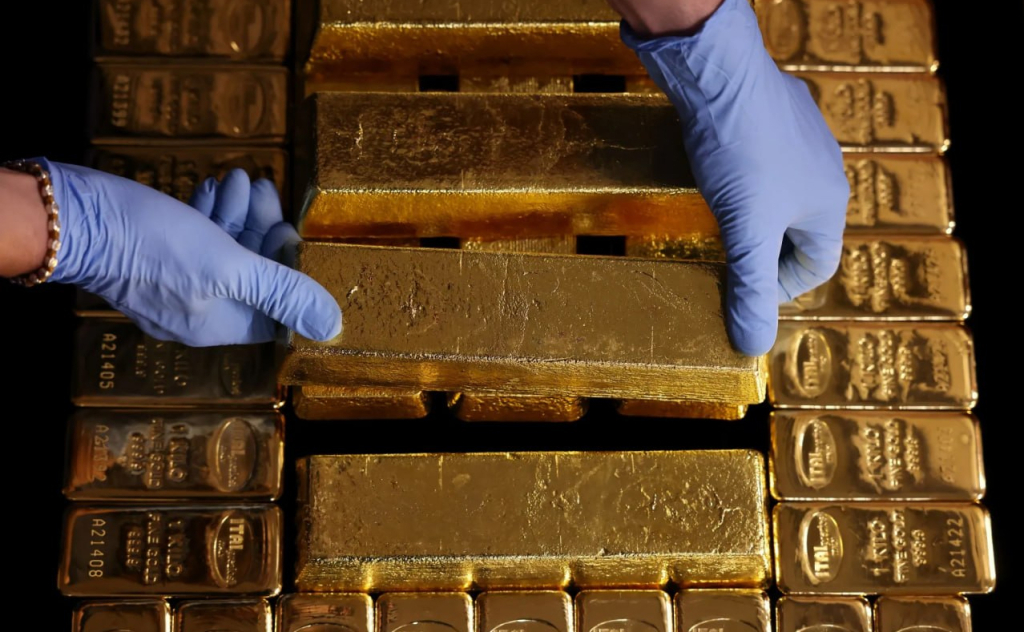
A key factor behind this export decline is Uzbekistan's halt on gold sales, which has persisted for over six months. The country last exported gold in September 2025, and no gold exports were recorded in March 2026. This suspension is unprecedented since 2023 and is directly linked to a nearly 30% fall in export revenues.
"The Central Bank explained that maintaining gold reserves at high levels is crucial right now, despite the pause in gold sales," underscoring the strategic decision impacting export figures.
Gold exports had amounted to $3.6 billion in the first quarter of 2025, a substantial contributor to that year’s trade balance. The reluctance to sell gold in 2026 is partly due to declining gold prices during March, which fell from approximately $5,300 per ounce to around $4,400, making sales less attractive.
Trade Partners and Sector Rotation
China continues to dominate as Uzbekistan’s leading trade partner, with bilateral trade reaching $4.6 billion in Q1 2026—accounting for about one-quarter of Uzbekistan's total foreign trade. Russia holds the second spot with $3.3 billion in trade, followed by Kazakhstan with $1.3 billion.
Despite the overall decline in exports, Uzbekistan recorded growth in trade volumes with its top 20 partners compared to 2025. This suggests a sector rotation where non-gold exports and imports are driving the uptick in trade activity.
Market watchers should monitor how the gold export suspension affects Uzbekistan’s trade balance and currency stability going forward, especially given the country’s increased import demand and the strategic positioning of major trade partners.