Germany’s CEO Pay Soars Amidst Stagnant Worker Wages and Rising Inflation
Oxfam reports a 56% rise in salaries for DAX 40 CEOs since 2019, while average German workers’ wages remain below pre-pandemic levels.
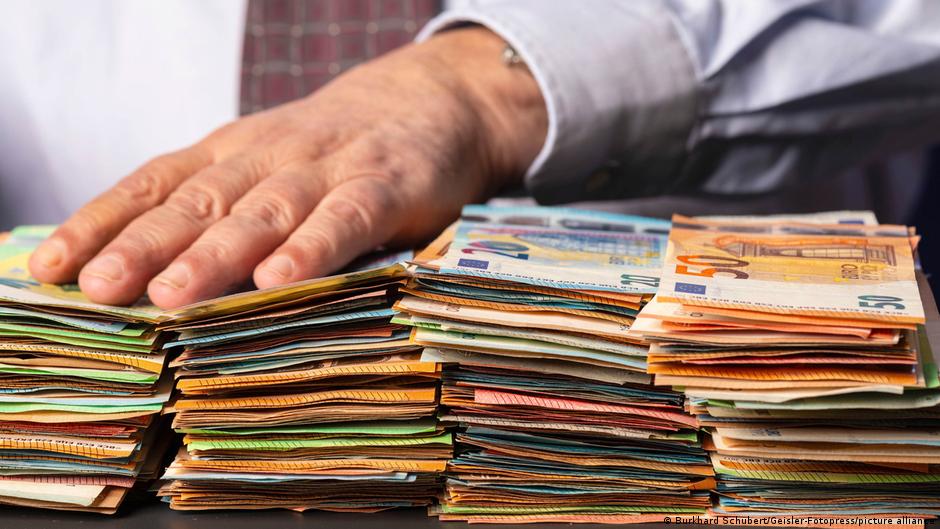
In Germany, the income gap between top executives and ordinary workers continues to widen sharply, according to new analysis by Oxfam. Salaries for 25 CEOs of companies listed on the DAX 40 index have surged by 56% compared to 2019, while wages for regular employees remain slightly below pre-pandemic levels when adjusted for inflation.
Sharp CEO Pay Growth Contrasts with Worker Wage Stagnation
Since the onset of the COVID-19 pandemic, the disparity in earnings has accelerated globally. From 2019 to 2025, CEO pay increased by an inflation-adjusted 54%, climbing from an average of $5.5 million to $8.4 million. In stark contrast, real wages for average workers have fallen by 12% during the same period, intensifying economic inequality.
“This growing inequality poses a threat to our democracy,” Oxfam warned, highlighting the social consequences of diverging income trends.
In Germany specifically, the total remuneration for the 25 DAX 40 CEOs analyzed rose from approximately €4.5 million to nearly €7 million on average. Meanwhile, inflation-adjusted wages for regular employees have yet to recover to 2019 levels, despite the economy’s ongoing recovery efforts.
Oxfam noted that the current surge in inflation imposes a heavy burden on many German households, while top executives continue to reap substantial pay increases. The organization said, “Executives are becoming increasingly disconnected from the realities faced by those who daily struggle to pay for energy, housing, and food.”
The report also highlighted the wealth accumulation of nearly 1,000 billionaires whose combined dividends in 2025 reached $79 billion. Often, these billionaires pay lower tax rates than average company employees, exacerbating fiscal inequality.
Policy Recommendations to Address Income Disparities
To counteract growing social inequality, Oxfam recommends that Berlin adopt stronger taxation measures targeting the ultra-wealthy at both national and global levels. Additionally, it advocates raising the minimum wage to at least €15 per hour to improve the living standards of lower-income workers and help close the income gap.
These findings come amid broader economic challenges for Germany, including geopolitical tensions in the Middle East that have disrupted supply chains and heightened energy prices. The Munich-based ifo Institute forecasted in March that the ongoing conflict between the US, Israel, and Iran could reduce Germany’s economic growth by at least 0.2 percentage points.
Shipping companies have had to reroute vessels to avoid the Persian Gulf, increasing transit times and costs. Such disruptions, combined with rising global uncertainty, continue to weigh on the German economy as it navigates inflationary pressures and widening income disparities.