EU Slashes Duty-Free Steel Import Quota by Nearly Half Amid Protection Measures
The European Union reduces steel import quota by 47%, imposing a 50% tariff on excess imports to shield its steel industry.
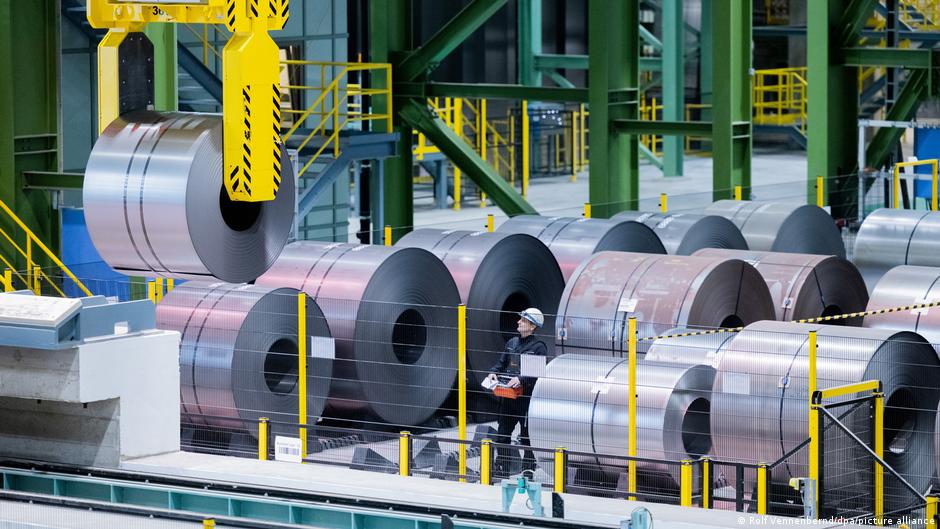
On July 1, the European Union implemented stringent new restrictions on steel imports aimed at protecting its domestic steel industry. The duty-free import quota for steel has been cut by approximately 47%, limiting the volume to 18.3 million tonnes annually.
Any steel imports exceeding this quota will now face a substantial 50% tariff, doubling the previous tariff rate. This policy shift is designed to curb the influx of cheap steel flooding the European market, which has been a concern for EU producers, particularly in Germany—the largest steel producer within the bloc.
Details of the Quota and Its Market Impact
The new quota system establishes duty-free import limits for steel products from individual third countries. If quotas remain unused in a given quarter, they can be carried over to subsequent quarters, offering some flexibility to importers.
According to the World Steel Association (Worldsteel), China produced around 961 million tonnes of steel in 2025, accounting for over half of the global steel output. In contrast, Germany's steel production stood at approximately 34 million tonnes. The EU accuses China of unfairly subsidizing its steel industry, contributing to global steel surplus and exerting downward pressure on prices.
"These new measures aim to shield European steelmakers from the distortions caused by excess cheap imports, ensuring the sustainability of the EU's steel sector," industry analysts noted.
Market participants can expect these tariffs to influence trade flows and potentially prompt sector rotation, as steel producers within the EU gain a more protected environment. Traders should monitor how import volumes adjust in response and whether downstream industries react to potential changes in steel pricing.
Overall, the EU's decision underscores its intent to bolster domestic manufacturing amid global trade tensions and rising concerns over market imbalances in steel production and pricing.