US Tariff Hike on EU Cars Threatens German Economy with Recession in 2026, Says ifo Institute
Munich's ifo Institute warns of recession risk for Germany due to potential retaliatory tariffs after US raises auto import duties on EU vehicles.
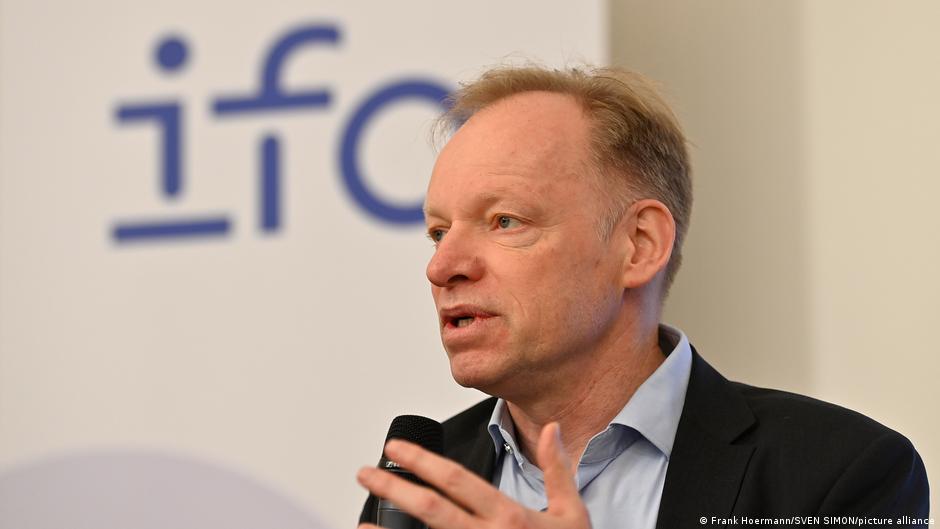
Following US President Donald Trump’s announcement of a 25% tariff increase on automobiles imported from the European Union, Munich-based ifo Institute has issued a stark warning about Germany’s economic outlook. The institute cautions that should the EU respond with retaliatory tariffs, Germany could face a recession as soon as 2026.
Potential for a New Trade War
Clemens Fuest, head of the ifo Institute, stated in a comment published on May 2 that the tariff hike threatens to exacerbate challenges facing the German automotive sector, a crucial pillar of the country’s economy. "If this leads to a new trade war, Germany is at risk of recession in 2026," Fuest said.
"The announced tariff increase will hit the German automotive industry in an already difficult situation." – Clemens Fuest, ifo Institute
Jens Südekum, economic advisor to German Finance Minister Lars Klingbeil, emphasized caution in the EU’s response. Speaking to the Bild newspaper, Südekum suggested Brussels should await the actual implementation of the tariffs before considering countermeasures, recommending "appropriate reciprocal measures" only if the tariffs come into effect.
Germany accounts for a significant share of EU car exports, and the planned 25% tariffs mark a sharp escalation. Auto industry expert Ferdinand Dudenhöffer described the move as "the beginning of an economic war against Germany." The tariffs are set to start next week.
Background on the Tariff Dispute
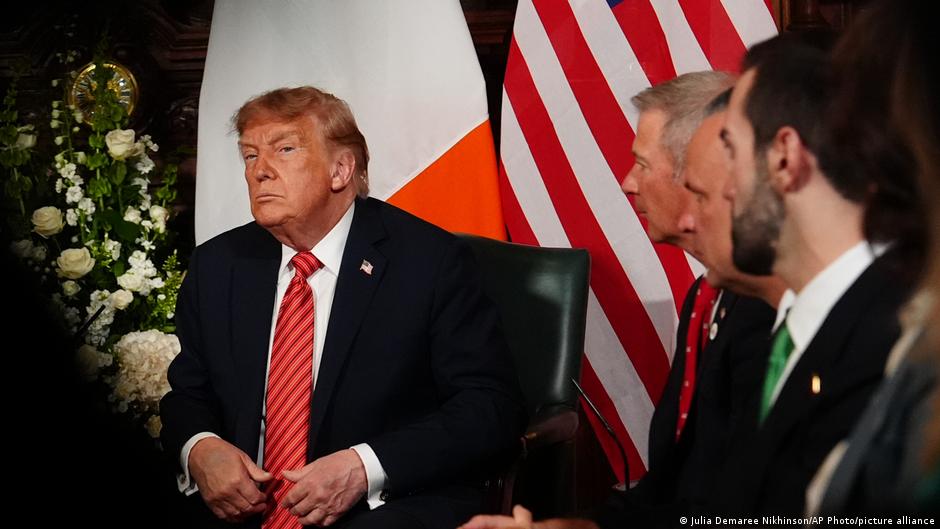
President Trump announced on May 1 that the US will impose a 25% duty on passenger and light trucks imported from the EU, citing violations of a previously agreed trade deal. However, vehicles produced directly in the US by European manufacturers will be exempt from these tariffs.
The precise provisions Trump referred to as breached remain unclear. The tariff increase reverses progress from a comprehensive trade agreement signed in September 2025, which had retroactively reduced automobile tariffs from 27.5% to 15%. Under that agreement, the EU also agreed to remove tariffs on American industrial goods and to open its market to a wide range of US products, including seafood, dairy, pork, and soybean oil.
Trump has repeatedly accused the EU of trade abuses, pointing to a substantial merchandise trade surplus the EU enjoys over the US. However, Brussels counters that the US benefits from a strong service sector trade surplus, an area where the EU has less leverage.
Escalating Political Tensions
The tariff announcement followed sharp public criticism by Trump of German Chancellor Friedrich Merz. On April 30, Trump urged Merz to focus on resolving the war in Ukraine instead of interfering in US-Iran relations. Trump further called on Merz to "get his country in order," referencing Germany’s economic and political challenges.
These remarks came after Merz criticized what he described as the lack of a clear US strategy in the conflict involving the US and Israel against Iran. Merz called for an end to the hostilities, citing their damaging economic impact on Germany.
The combination of rising tariffs and political tensions intensifies uncertainty for investors and markets, particularly in sectors tied to automobile manufacturing and exports.