Iran Submits 14-Point Peace Plan to US Amid Ongoing Middle East Conflict
Tehran outlines key conditions for ending hostilities, while Washington expresses skepticism over the proposal.
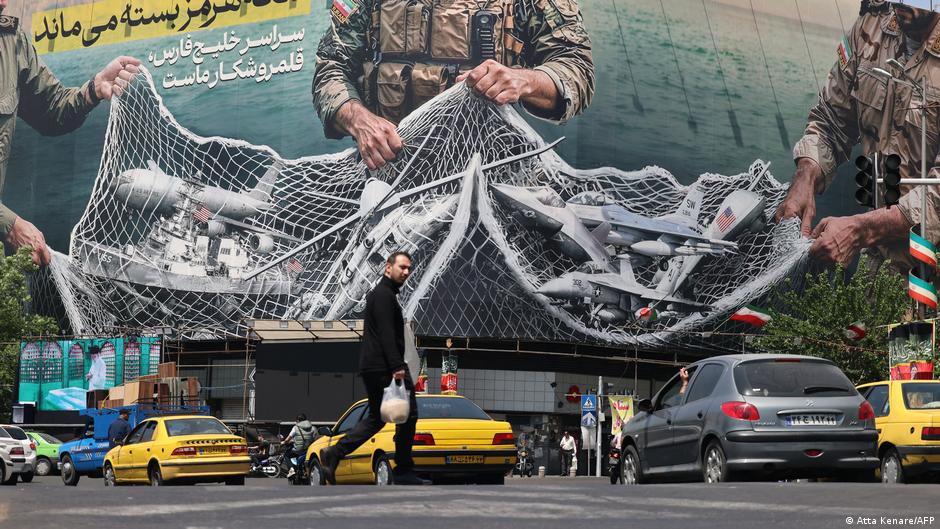
Iran has delivered a comprehensive 14-point peace plan to the United States that details Tehran's primary conditions for bringing an end to the ongoing military conflict in the Middle East. The Iranian authorities are currently awaiting a response from Washington, marking the latest development in a tense standoff that began earlier this year.
According to Iranian news agencies, the plan serves as a counterproposal to a previous US offer containing nine points, which had called for a two-month ceasefire. Tehran rejected that suggestion, emphasizing the need for a resolution of all issues within a month and stressing that the focus should be on ending the war rather than merely extending a ceasefire.
Key Demands in Tehran's Peace Proposal
The Iranian peace plan demands several significant concessions from the United States, including guarantees against future military attacks, the full withdrawal of American troops from border regions, the lifting of the naval blockade, and the unfreezing of Iranian assets currently held by the US. Moreover, Tehran insists on compensation for damages incurred, the removal of sanctions, cessation of hostilities in the region (including Israeli strikes on Lebanon), and the establishment of a new operational mechanism for the strategically critical Strait of Hormuz.
“The emphasis must be placed not on extending the ceasefire, but on ending the war.”
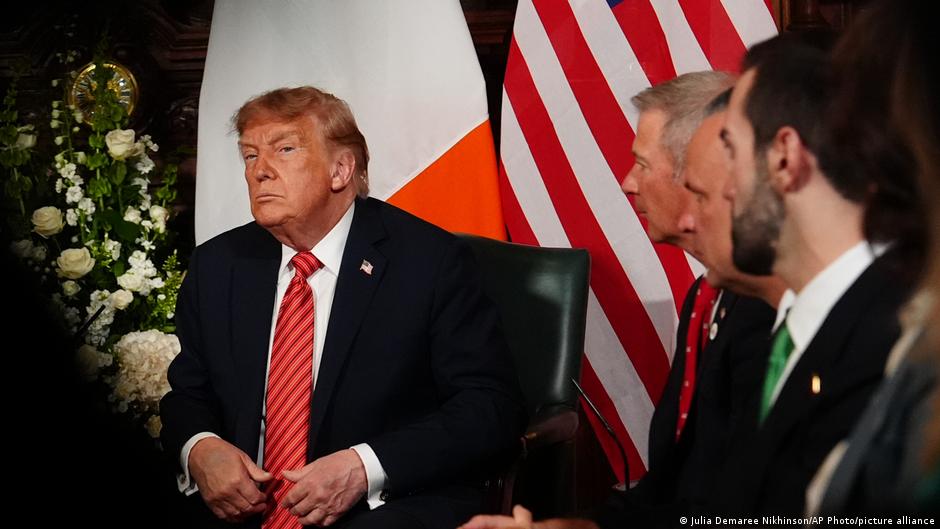
This proposal follows earlier efforts by Iran to negotiate peace, which were met with dissatisfaction from US President Donald Trump. Trump has expressed doubts about the acceptability of Iran's terms, stating that the country has not paid a high enough price for its actions over the past several decades.
The conflict escalated on February 28 with US and Israeli strikes targeting Iranian territory. Iran retaliated with attacks on Israel, Gulf states, and American facilities in the region. Although a ceasefire took effect in early April, negotiations have stalled since then, with a single round of talks in Pakistan failing to yield progress.
Meanwhile, the Strait of Hormuz remains effectively blocked by Iranian forces, while the US maintains its maritime blockade of Iranian ports. The ongoing standstill has significant implications for global energy markets, given the strait’s importance for oil transit.
On May 1, President Trump officially informed the US Congress that military operations initiated on February 28, 2026, have concluded, marking the expiration of the 60-day limit set by the 1973 War Powers Resolution. However, he indicated that the threat from Iran persists and that the conflict’s resolution remains uncertain.
In his letter to Congressional leaders, Trump acknowledged the success of US military operations against the Iranian regime but warned of continued risks to US forces and interests. Reports also indicate that the administration is preparing for a prolonged maritime blockade designed to cripple Iran’s economy by restricting its oil exports.
The evolving situation continues to drive volatility in relevant sectors, with energy markets particularly sensitive to developments around the Strait of Hormuz and broader Middle Eastern stability.