US Signals Major Delays in Arms Supplies to Europe Amid Iran Conflict
Washington warns European allies of significant disruptions in weapons deliveries as it prioritizes replenishing arsenals depleted by conflict with Iran.
The United States has issued warnings to its European allies, including the UK, Poland, Lithuania, and Estonia, about significant delays in the delivery of military equipment. This development comes as Washington urgently seeks to replenish its own arms stocks, which have been drained due to ongoing military engagement with Iran, according to multiple sources reported by Financial Times.
Impact on Missile System Ammunition and Allied Responses
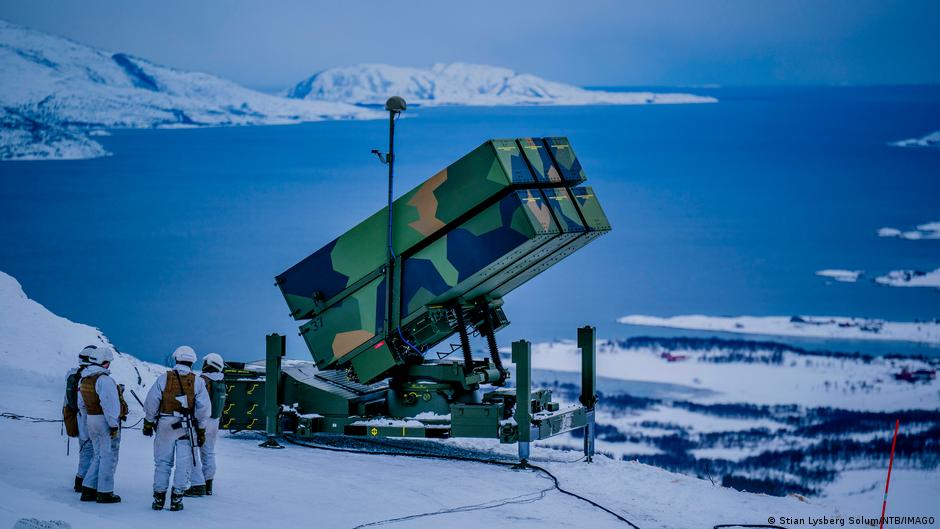
Sources indicate that the delays will notably affect supplies of ammunition for missile systems such as NASAMS (National Advanced Surface-to-Air Missile System) and HIMARS (High Mobility Artillery Rocket System), as well as other rocket systems. Similar supply disruptions are reportedly under consideration for US allies in Asia, including Japan and South Korea.
The Pentagon has acknowledged the situation, stating it is "carefully evaluating" new equipment requests from allies alongside current transfer cases to ensure alignment with operational requirements.
"The warnings about substantial delays from Washington represent troubling news for Kyiv," said an unnamed senior Ukrainian official, referencing the prolonged challenges Ukraine faces in receiving US arms amid its ongoing defense against Russian aggression.
Ukraine, along with other partners such as Taiwan, Norway, Finland, Spain, the Netherlands, Indonesia, Australia, Hungary, Denmark, Qatar, and Oman, are among the users of NASAMS. HIMARS is operated by 14 US partners, including Ukraine, Poland, and Estonia.
Meanwhile, while arms shipments to European partners face delays, the US State Department has approved arms exports and military services to four Middle Eastern allies—Israel, Qatar, Kuwait, and the United Arab Emirates—totaling over $8.6 billion. The largest package, approximately $4 billion, is earmarked for Qatar, followed by $2.5 billion for Kuwait, about $1 billion for Israel, and $150 million for the UAE.
This expedited arms sale bypassed the usual congressional approval process through a special emergency authority, a move justified by Secretary of State Marco Rubio citing an "urgent necessity" amid ongoing conflict with Iran. This decision follows President Donald Trump's formal notification to Congress regarding the end of the military conflict.
The shift in US arms prioritization underscores the complex balancing act Washington faces in supporting multiple global partners amid geopolitical tensions. For European allies and Ukraine, these supply delays introduce new challenges in maintaining defense readiness, particularly given the strategic importance of missile systems like NASAMS and HIMARS in modern warfare.
Market analysts and defense sector observers will be closely monitoring the ramifications of these supply constraints on defense stocks, procurement timelines, and broader geopolitical stability in the coming months.