US Reshuffles Canada Tariffs, Dropping 50% Levies on Select Goods
The October 30 tariff reset offers relief to Canadian paper-related exports while exposing a new group of consumer and industrial goods.
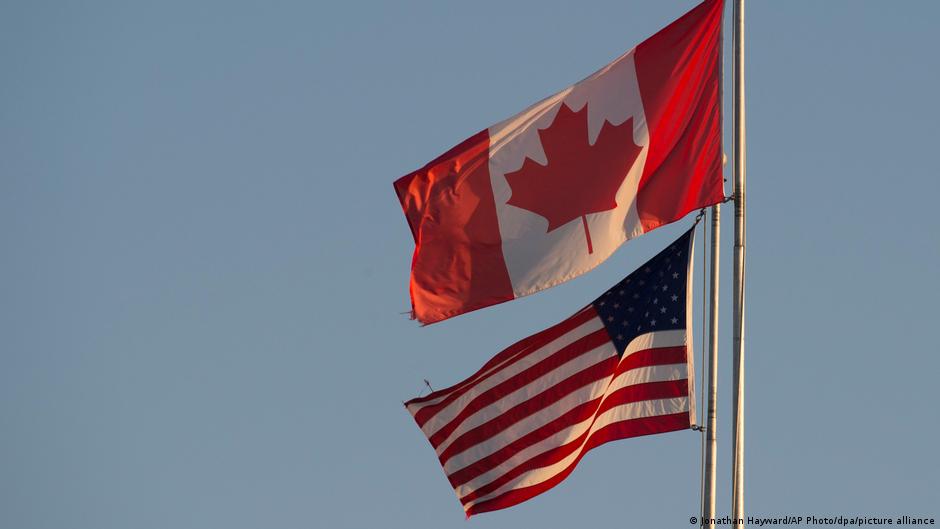
US President Donald Trump has ordered the removal of 50% customs duties on a group of Canadian products from October 30, while simultaneously extending tariffs to other imports from the neighboring country. The reshuffling changes the sector-level exposure of Canadian exporters and US importers without bringing the broader trade dispute between Washington and Ottawa to an end.
Trump signed the order on Friday, October 23. The goods receiving relief include plywood, certain paper products, machinery used by the pulp and paper industry, packing cases and cardboard boxes, as well as fresh and dried seaweed.
For markets, the immediate implications are concentrated in affected industries rather than across the full spectrum of US-Canada commerce. The removal of the steep duties changes the cost outlook for companies trading in wood products, paper, packaging and related industrial equipment. Investors and commodity-market participants will also be watching whether the decision alters cross-border orders or supply arrangements after the measure takes effect.
Tariff Exposure Shifts to New Product Categories
The White House paired the relief with new tariffs on another set of Canadian goods, describing the additions as a way to balance the move. The newly covered products include carpets, paints, shampoos, cocoa powder, wooden coffins, ice-pop sticks, air conditioners and freezers. Archery goods and canoes were also added to the tariff list.
The mixed decision creates a clear sector rotation in trade-policy exposure. Producers and distributors tied to paper, packaging and plywood stand to face lower border costs, while businesses dealing in household products, coatings, appliances, recreational equipment and several niche manufactured goods must now assess the effect of the additional levies.
No trading-volume figures, price movements or estimates of the value of the affected commerce were provided in the announcement. That leaves the scale of the market impact dependent on implementation details, existing inventories, contract structures and the ability of importers to switch suppliers or pass higher costs to customers.
Ottawa Reviews Washington's Decision
Canada is evaluating the US action, according to Dominic LeBlanc, the Canadian minister responsible for intergovernmental affairs and trade with the United States. Ottawa signaled that it remains open to negotiations despite the latest adjustment to the tariff regime.
Ottawa is “ready to work constructively and in good faith toward building a more mutually beneficial trade relationship that takes Canada’s interests into account,” LeBlanc said.
The response suggests Canadian officials are not treating the removal of some duties as a full resolution of the dispute. Attention will now turn to whether Ottawa answers the new tariffs with further measures, seeks exemptions for particular industries or uses the changes as a basis for renewed talks with Washington.
The conflict over the US-Canada trade arrangement and reciprocal tariffs of 50% has become one of the clearest signs of worsening relations between the two countries since Trump returned to the presidency. The US president has also repeatedly spoken about the possibility of incorporating Canada into the United States as its 51st state, adding a broader political dimension to the commercial tensions.
Latest Move Follows September Import Suspension
The October order follows an escalation at the end of September, when the United States indefinitely suspended imports of several Canadian products. Those restrictions covered alcoholic beverages, beer, sparkling wine and whey, along with certain dairy products and motorcycles.
Washington took that step after Ottawa decided to respond in kind to higher customs duties introduced by US authorities in August. The sequence of actions has produced repeated shifts in which Canadian industries face restrictions, making policy announcements an important source of event risk for companies with cross-border supply chains.
The October 30 effective date gives affected businesses a limited period to review shipments and customs treatment. Market participants will be alert to any clarification on product classifications, exemptions or enforcement, as those details could determine which listed companies and private suppliers bear the greatest impact.
While the lifting of 50% duties provides targeted relief, the addition of tariffs elsewhere underscores that Washington is reallocating trade pressure rather than broadly dismantling it. The next signal for markets will be Ottawa’s completed assessment and any decision on negotiations or reciprocal action.