US Intelligence Warns Israel May Disrupt US-Iran Deal Amid Ongoing Regional Tensions
US intelligence agencies caution that Israeli Prime Minister Netanyahu could attempt to undermine the recent US-Iran memorandum due to opposition over terms and security concerns.
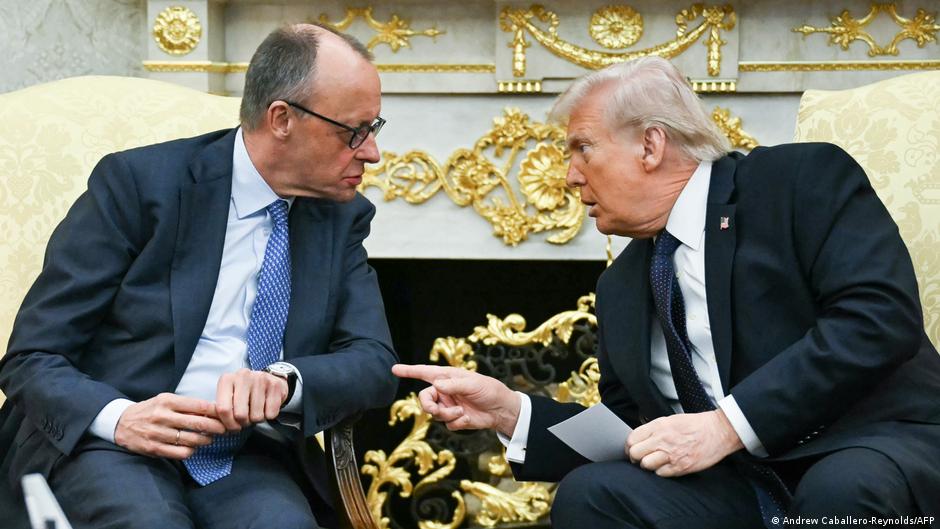
US intelligence officials have reportedly warned the Trump administration that Israeli Prime Minister Benjamin Netanyahu is likely to attempt to derail the recently signed long-term agreement between Washington and Tehran. The intelligence assessments indicate Israel's dissatisfaction with the agreement’s terms and its implications for regional security, particularly concerning Hezbollah.
Israeli Concerns Over US-Iran Memorandum
The memorandum of understanding, signed on June 17 between the United States and Iran, aims to de-escalate the conflict and initiate a 60-day negotiation period towards a final peace agreement. However, Israel views the deal as a relaxation of the "maximum pressure" campaign on Iran, potentially limiting its ability to defend against Hezbollah's influence in southern Lebanon.
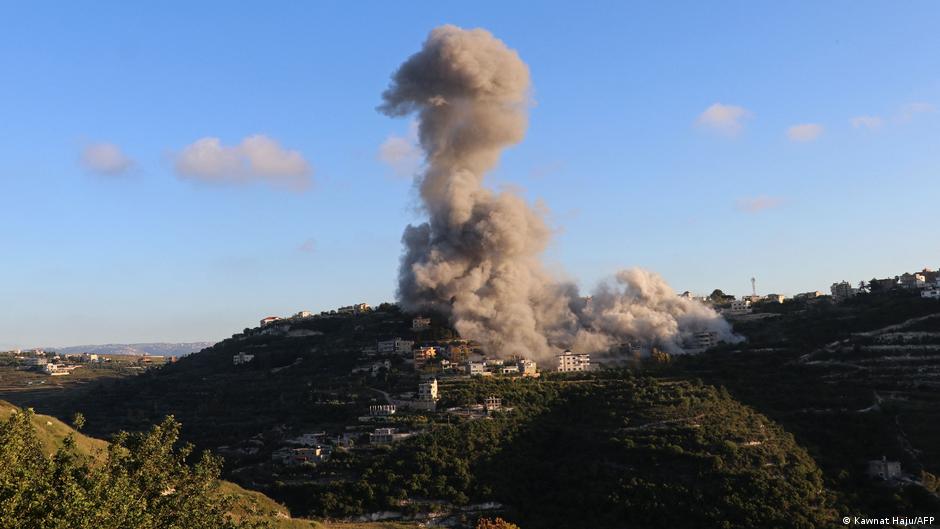
Israeli intelligence and political leaders are reportedly determined to continue military operations against Hezbollah, a Lebanese Shiite militant group backed by Iran. This stance directly conflicts with Tehran’s demands for a cessation of hostilities as a condition for further negotiations with the US.
"The Israeli government believes that the agreement frees Tehran from the pressure regime and could restrict Israel’s capacity to counter Hezbollah," intelligence sources have indicated.
Political Calculations Ahead of Israeli Elections
Netanyahu's posture is also influenced by domestic political considerations. Facing parliamentary elections scheduled for fall 2026, the prime minister needs to maintain public support for a hardline approach against Hezbollah. A May poll from the Institute for National Security Studies in Israel revealed that 70% of Jewish citizens favor intensifying efforts against the militant group. Any perceived withdrawal of the Israel Defense Forces (IDF) from southern Lebanon might be politically damaging for Netanyahu.
Potential Israeli Actions to Undermine the Deal
According to US media reports, Netanyahu may exert pressure on the Trump administration to prevent the deal's finalization. He is reportedly leveraging right-wing media, pro-Israel American senators, and public opinion campaigns to highlight Iranian reluctance to limit its nuclear program as a reason the deal should fail.
Developments on the Ground and Ceasefire Agreement
Despite the tension, Israel and Hezbollah reportedly reached a ceasefire agreement on June 19, although the IDF is expected to remain stationed in southern Lebanon. There have been claims from Beirut that the IDF violated the ceasefire shortly after its commencement, though Israeli officials have not confirmed this.
The ceasefire is a critical component of the US-Iran memorandum, aimed at halting the hostilities initiated by the US and Israel earlier this year. Nonetheless, clashes continued in southern Lebanon post-signing, contributing to the postponement of US-Iran delegation talks scheduled for June 19 in Switzerland.
Negotiation Delays and Responses
Iranian negotiators have indicated they want to see tangible implementation of the memorandum’s terms by the US before resuming dialogue. In response to the delay, President Trump asserted that Iran is desperate and will not receive financial relief during the 60-day negotiation window, signaling a hardline negotiating stance.
This evolving situation underscores the fragile balance in Middle East diplomacy, where domestic political agendas, regional security concerns, and international negotiations intersect. Market participants and geopolitical analysts will be watching closely for further developments that could impact regional stability and energy markets.