US Intelligence Indicates Iran Retains Majority of Its Military Missile Capability
Contrary to official US statements, intelligence reports reveal Iran has preserved about 70% of its missile arsenal and launched platforms.
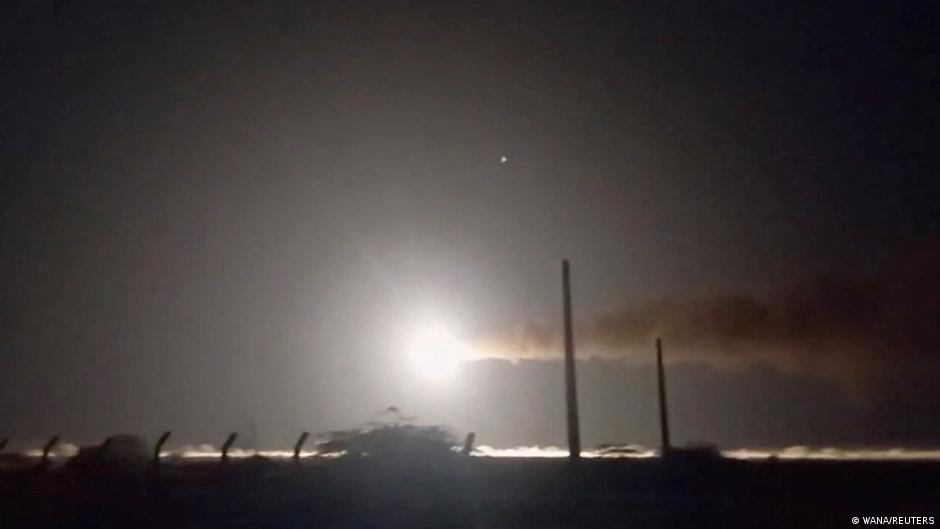
Recent intelligence assessments challenge public claims by US officials regarding the degradation of Iran's missile capabilities following military strikes. According to multiple US intelligence sources, Iran has managed to preserve a significant portion of its missile forces and maintains operational readiness across key strategic sites.
Intelligence Reveals Sustained Iranian Missile Strength
Contrary to assertions by former President Donald Trump and Defense Secretary Pete Hegseth that Iran's military potential was effectively "destroyed" or neutralized, intelligence reports indicate that the Islamic Republic retains control over approximately 70% of its mobile missile launchers and around 70% of its pre-conflict missile inventory. This arsenal includes both ballistic missiles with regional strike capability and a smaller stockpile of cruise missiles capable of engaging land and maritime targets at shorter ranges.
Of particular concern to US military analysts is the restoration of combat readiness at 30 of the 33 missile complexes positioned by Iran along the strategically vital Strait of Hormuz. These facilities pose a direct threat to US naval vessels and commercial oil tankers transiting through this critical maritime chokepoint.
"New intelligence data suggest that US military assessments have underestimated Iran's resilience and capacity to recover vital missile assets following recent strikes," experts note.
Satellite imagery and other intelligence sources further confirm that Iran has regained access to approximately 90% of its underground missile storage sites nationwide, many of which are now deemed partially or fully operational.
Similar findings were reported recently by The Washington Post, which cited US intelligence estimates that Iran has recovered about 75% of its mobile missile platforms and roughly 70% of its missile inventory prior to recent hostilities.
Operational and Strategic Implications
The persistence of Iran’s missile capabilities has direct implications for ongoing US military readiness and operational planning in the region. US forces have already depleted significant stocks of critical munitions, including Tomahawk cruise missiles, Patriot surface-to-air missiles, and precision strike munitions such as ATACMS. Analysts caution that any further orders to intensify strikes aimed at degrading Iranian missile forces would exacerbate these shortages.
These developments also raise concerns among Washington’s European allies, who have procured large quantities of US munitions for use in the Ukraine conflict. There are growing fears that US military needs may delay or reduce supplies to these partners as America prioritizes replenishing its own inventories.
In response to these intelligence revelations, White House spokesperson Olivia Dalton reiterated official assertions that Iran's military capabilities have been "crushed" and described claims of Iran’s recovery as either misinformed or propaganda by the Islamic Revolutionary Guard Corps. The Pentagon has likewise affirmed that US forces maintain sufficient resources to defend national interests and personnel.
This divergence between classified intelligence assessments and official public statements underscores the complexity of evaluating military capabilities in dynamic conflict environments. It also highlights the challenges faced by US military planners balancing operational demands with munitions stockpile management amid ongoing regional tensions.