US Imposes 50% Tariffs on Canadian Goods Including Wine, Cement, and Hockey Sticks
New US tariffs on Canadian imports target $20 billion in goods, escalating trade tensions and impacting multiple sectors under USMCA.
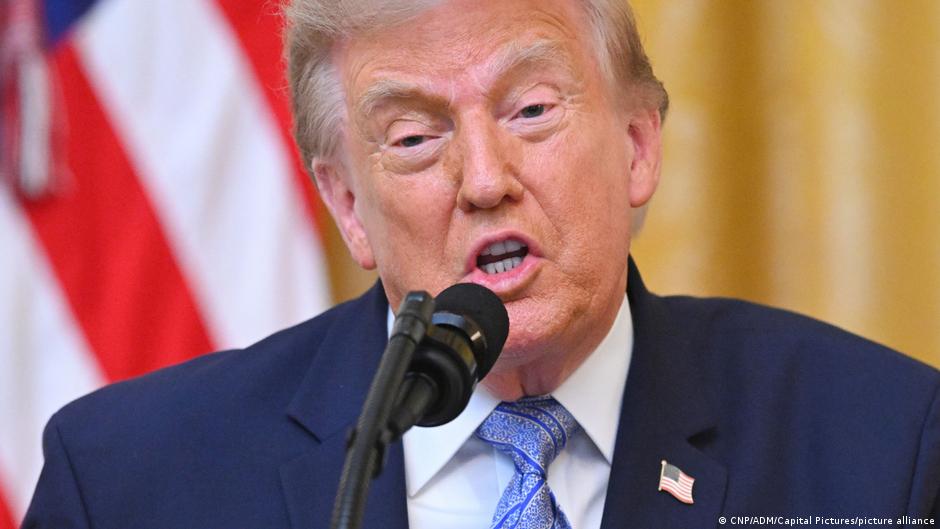
The United States has announced new 50-percent tariffs on a wide range of Canadian products, intensifying ongoing trade disputes between the two neighboring countries. Signed by President Donald Trump on July 20, the tariffs respond to alleged "discriminatory practices" by Canada against American alcohol, automotive, and dairy exports.
Scope and Rationale of New Tariffs
The tariffs, set to take effect on August 19, cover various Canadian goods including wine, cement, and even hockey sticks. The measures exclude energy products, potash, and items previously subject to tariffs. However, notably, these tariffs apply to products traded under the United States-Mexico-Canada Agreement (USMCA), signaling a significant shift in the trade landscape.
According to the Office of the US Trade Representative, the tariffs will affect approximately $20 billion worth of Canadian imports. The US administration claims Canada has limited American alcoholic beverages' market access, offered broader access for European Union dairy products, and restricted American automobile exports. President Trump emphasized the tariffs aim to improve conditions for US auto exports to Canada.
"Canada removed American alcoholic beverages from Canadian shelves, granted wider access to European dairy products, and imposed export restrictions on American cars," said US Trade Representative Jamison Greer.
Canadian Response and Impact on Market Dynamics
Canadian Prime Minister Mark Carney condemned the tariffs as unilateral US actions violating the USMCA trade agreement. Canada signaled readiness to intensify negotiations to resolve disputes and modernize the trilateral trade pact. Canadian officials have responded with reciprocal measures targeting US goods.
The new tariffs come amid a broader context of rising trade friction, including previous US tariff threats on Canadian aircraft and potential certification withdrawals for Canadian-made planes like Bombardier. These moves have prompted Canada to advocate for greater trade independence and criticize US trade policies.
Market participants are monitoring sector rotations and trading volumes closely as these tariffs impact key industries such as beverages, construction materials, and sports equipment. The exclusion of energy goods from tariffs protects a vital market segment, but uncertainty remains high in affected sectors.
Broader Trade and Political Implications
The tariffs underscore escalating trade tensions between the US and Canada, with potential ripple effects across North American supply chains. They also reflect President Trump’s broader strategy of using tariffs to renegotiate trade terms and leverage concessions.
In recent remarks, Trump also linked Canadian forest fires and associated air pollution costs to tariff considerations, further complicating bilateral relations. Meanwhile, Canadian authorities continue to advocate for multilateral cooperation and adherence to trade agreements.
As these developments unfold, market analysts will watch closely for shifts in import patterns, pricing pressures, and sector-specific stock movements across both countries.