US Envoy Whitcoff Travels to Switzerland for Crucial Iran Nuclear Negotiations
Steven Whitcoff arrives in Switzerland to resume postponed talks with Iran amid ongoing Middle East tensions.
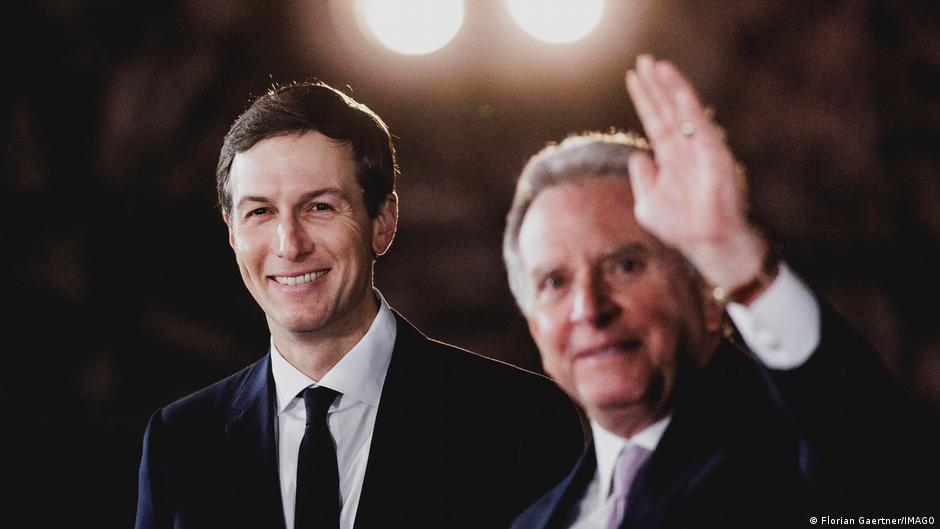
Steven Whitcoff, the special envoy of the US president, has traveled to Switzerland to engage in critical negotiations with Iranian representatives concerning the nuclear deal, according to multiple sources. Initially scheduled for June 19, the talks were postponed due to escalating violence in Lebanon.
Background and Stakes of the Talks
The negotiations, which mark the first round of direct engagement between Washington and Tehran in this cycle, are set to address the resumption of a 60-day dialogue period aimed at reaching a final peace agreement. A memorandum of understanding was remotely signed on June 17, outlining key provisions such as a ceasefire along conflict lines including Lebanon, and initiating the formal negotiation timeline.
Whitcoff's delegation includes Jared Kushner, son-in-law of former President Donald Trump, who is already present in Switzerland. The arrival of Qatar's Prime Minister Sheikh Mohammed bin Abdul Rahman Al Thani—an important intermediary between the US and Iran—underscores the high-profile diplomatic effort underway.
Iranian Foreign Minister Abbas Araghchi was scheduled to arrive on June 20; however, sources indicate his plans remain fluid, influenced by regional developments. The Iranian side has stressed the "critical importance" of a ceasefire in Lebanon before talks can fully proceed, reflecting concerns over the ongoing conflict involving Hezbollah, a Lebanese Shiite group backed by Iran, and Israel.
"Iran demands a sustainable ceasefire in Lebanon prior to advancing negotiations," an informed source reported.
The ceasefire is seen as a prerequisite to creating a conducive environment for substantive dialogue. Although reports on June 19 suggested a truce had been agreed upon, the situation remains delicate.
On the American side, Vice President David James Vance declined participation at the last moment, casting uncertainty on the US delegation's composition. It is not yet confirmed whether he will join the talks over the weekend.
Meanwhile, President Donald Trump publicly blamed Iran for the delay in negotiations, asserting on his social media platform Truth Social that the US was not desperate to meet and warning that Iran would not receive any financial aid during the 60-day negotiation period. This refers to a contentious clause in the memorandum that proposes $300 billion in private investments for Iranian reconstruction, alongside the unblocking of $24 billion in frozen Iranian assets.
Market watchers are closely monitoring the developments, as progress or setbacks in these talks could significantly influence geopolitical risk assessments and energy markets. The interplay between diplomatic breakthroughs and regional conflict dynamics remains a key factor in shaping investor sentiment and sector rotation strategies.