Ukraine Apologizes to Greece for Explosive Sea Drone Incident Near Lefkada Island
Kyiv attributes sea drone appearance near Greek island to ongoing Russian aggression and vows to prevent future incidents.
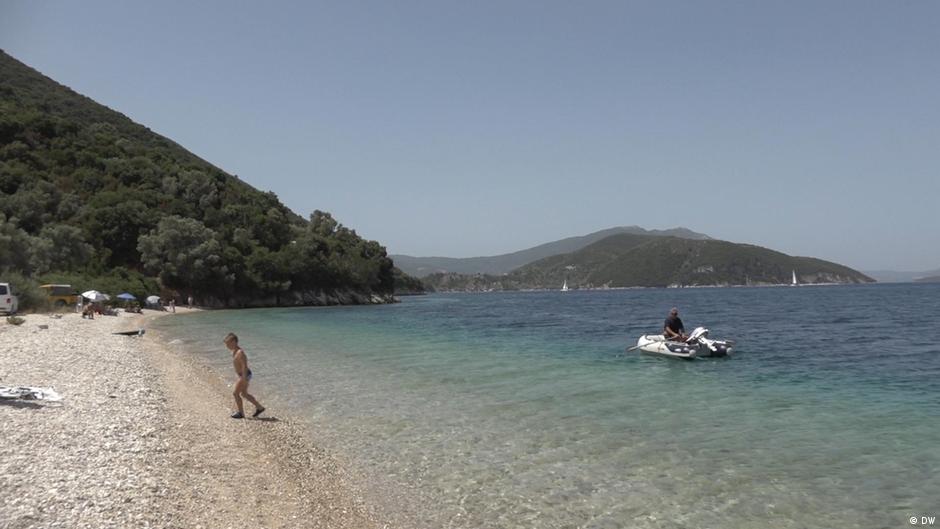
Ukraine has issued an official apology to Greece following the discovery of a sea drone laden with explosives near the island of Lefkada in the Ionian Sea. The incident, confirmed by Ukrainian Foreign Ministry spokesperson Georgiy Tykhyi on June 5, underscores the wider security risks posed by the ongoing conflict with Russia.
Incident Overview and Diplomatic Response
According to Tykhyi, the drone’s presence near Lefkada was a direct consequence of circumstances created by Russia's sustained aggression against Ukraine. The explosive device, estimated at 100 kilograms, was reportedly found by local fishermen in May. Preliminary assessments suggest that the drone’s remote control system malfunctioned, causing it to drift near Greek territorial waters.
Ukraine expressed its gratitude towards Greece and its people for their steadfast support since the outset of the full-scale Russian invasion. The Ukrainian Foreign Ministry emphasized its commitment to international law and the safety of civilian maritime navigation, noting a shared interest in preventing similar incidents in the future.
"This incident, along with others in various regions, highlights that Russia's continued aggression threatens not only Ukraine but also neighboring friendly states, Europe, and global security," stated the Ukrainian official.
Greece responded swiftly with a diplomatic protest on June 3, warning that it would not tolerate the Mediterranean Sea becoming a theater of military conflict. Lefkada is located over 1,000 kilometers from Ukraine’s Black Sea coast, and Ukraine lacks direct access to the Mediterranean or Ionian seas. This geographical reality has raised questions about how the drone reached this zone.
Strategic Context: Sea Drones and Regional Security
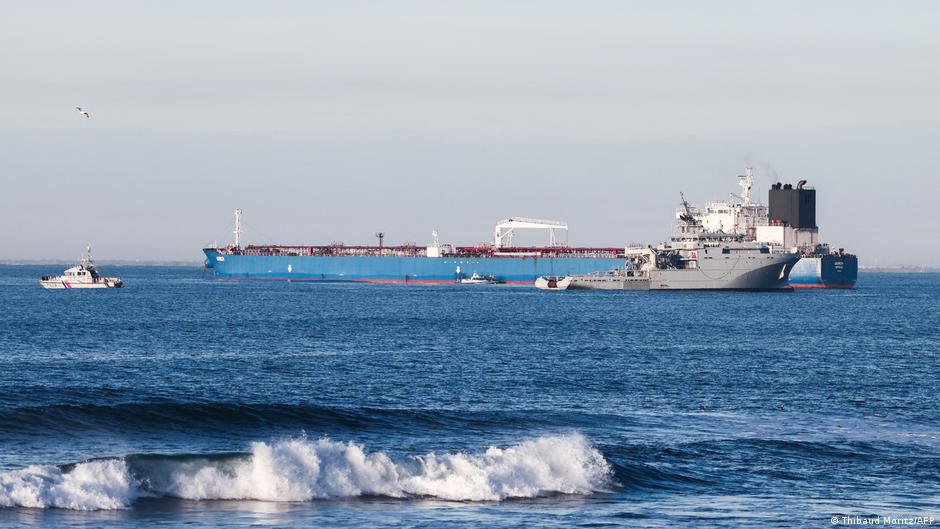
Reports suggest that Ukrainian forces may have launched sea drones from a base in western Libya to target ships associated with Russia’s so-called "shadow fleet" operating in the Mediterranean. In early March, a similar drone attack reportedly targeted a Russian liquefied gas tanker east of Malta en route to Egypt.
The use of armed maritime drones marks an escalation in naval tactics within the broader conflict, complicating the security environment in the Mediterranean basin. Kiev’s admission and apology underscore the complexities of balancing military operations against adversaries with maintaining stable relations with neighboring states.
Despite the incident, Ukraine reaffirmed its intention to deepen friendly relations and constructive dialogue with Greece across all areas of mutual interest. This statement signals a desire to manage tensions through diplomatic channels while continuing to counter Russian military advances.
As the conflict evolves, monitoring live market moves and sector rotations influenced by geopolitical risks like this will be crucial. The incident illustrates how regional security developments can have ripple effects across broader economic and trade sectors, particularly maritime commerce and energy transport routes.