UAE Conducted Covert Military Strikes Against Iran Amid Regional Tensions
Sources report UAE airstrikes on Iranian oil facilities, signaling active Gulf involvement as Iran escalates drone and missile attacks.
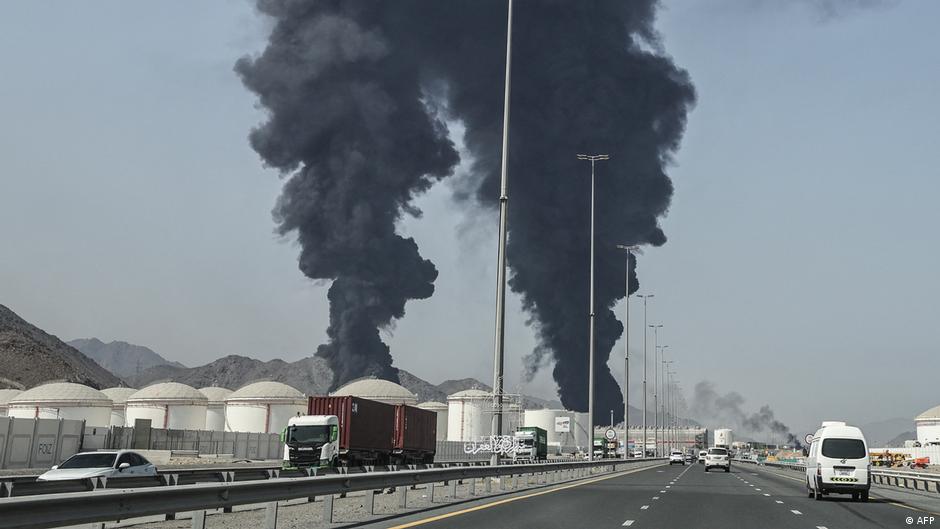
The United Arab Emirates (UAE) has reportedly carried out covert military strikes against Iranian targets, marking a significant escalation in regional hostilities. Although Abu Dhabi has not officially acknowledged these operations, multiple informed sources indicate the UAE targeted an Iranian oil refinery on Lavan Island in early April.
UAE’s Strategic Role in Gulf Conflict
According to reports, the strike on the Lavan oil refinery in the Persian Gulf was conducted amidst ongoing confrontations between Iran and Gulf states. The refinery attack followed a pattern of Iranian drone and missile assaults targeting UAE territory, with Tehran launching approximately 2,800 such attacks since the conflict began—more than against any other nation, including Israel.
"Iran is now viewed as a pariah state undermining the UAE's economic and social model, which is based on attracting foreign professionals and maintaining a reputation for safety and stability," regional officials said.
The timing of the UAE strike coincided with former U.S. President Donald Trump's announcement of a ceasefire between the U.S., Israel, and Iran, which took effect about five weeks after hostilities commenced. U.S. officials reportedly welcomed Gulf states' participation in the conflict without public objection, viewing it as aligning interests to counter Iranian aggression.
While the UAE Ministry of Foreign Affairs declined to comment specifically on the Lavan strike, it reiterated previous statements affirming the country’s right to respond to hostile acts, including by military means. The Pentagon also refrained from providing official comments on the matter.
The sustained Iranian attacks have severely impacted the UAE’s key economic sectors, notably aviation, tourism, and real estate. Companies have responded with layoffs and unpaid leave, reflecting the broader economic strain. These developments have catalyzed a strategic pivot in Abu Dhabi’s regional posture, increasingly treating Iran as a destabilizing force.
The UAE’s military capabilities underpin its response strategy. The country fields an advanced air force, including French Mirage fighters and state-of-the-art American F-16 jets, operated by highly trained pilots. This formidable aerial power enables the UAE to conduct precise operations despite the complex geopolitical environment.
As tensions persist, Gulf states’ military engagement signals an evolving theater of conflict with profound implications for regional security and global energy markets. Market participants should closely monitor developments in UAE-Iran relations and their potential to impact commodity supply chains and investor sentiment.