Trump Signs Graham Sanctions Bill Targeting Russian Energy Buyers
The measure gives the U.S. president discretion to impose tariffs on major buyers of Russian oil and gas, with markets watching China exposure.
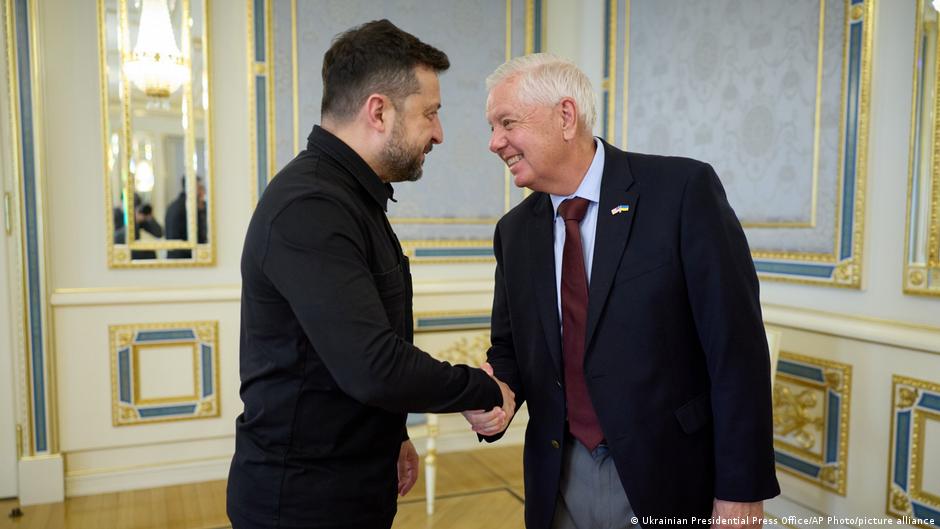
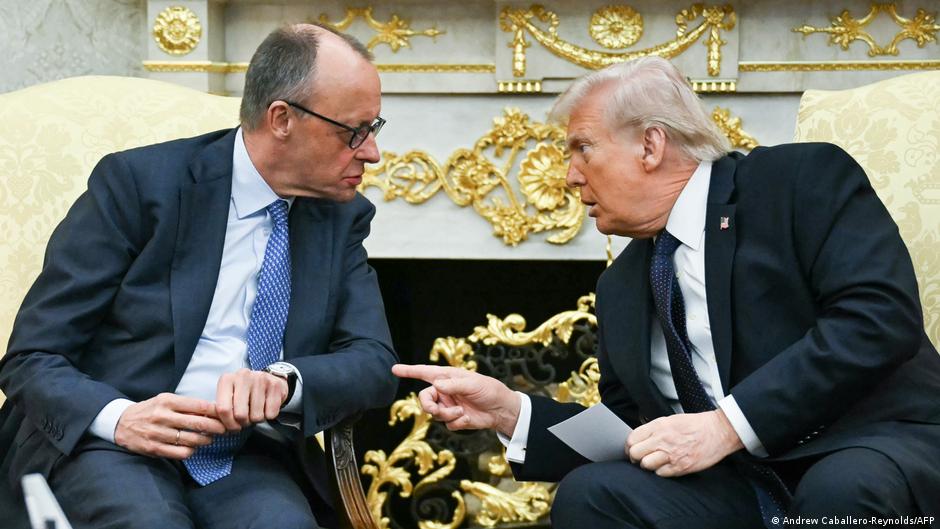
U.S. President Donald Trump signed legislation on Friday, September 18, tightening sanctions on Russia over its continuing war against Ukraine, creating a new enforcement tool aimed at the global trade in Russian oil and gas and the financial networks around it.
The law, widely known in political and market circles as the Graham sanctions bill, was developed and promoted by the late Republican senator Lindsey Graham. It had been lobbied for roughly a year and a half before reaching Trump’s desk, and its final version gives the White House broad discretion over when and against whom the measures are applied.
For commodity traders, refiners, shipping firms and banks, the key market signal is the bill’s authorization of 100 percent tariffs on the five largest buyers of Russian oil and gas, as well as on five countries deemed to be helping Moscow evade energy sanctions. The measure also includes exemptions for countries that receive less than 15 percent of their consumed natural gas from Russia and are taking steps to reduce those imports.
The bill also provides for sanctions against Russian officials, banks, business figures and the so-called shadow fleet used to move sanctioned or restricted cargoes. In a separate provision, it extends U.S. sanctions on Iran until 2031, adding another layer of geopolitical risk for energy and shipping markets already pricing in conflict-related supply disruptions.
Energy Trade Faces New Tariff Risk
The immediate market impact will depend on how quickly the Trump administration chooses to use the powers granted by the law. The final text leaves the decision to impose or lift the measures with the president, a notable shift from the usual practice in which such actions require coordination with Congress.
That discretion means the law may function both as a sanctions instrument and as a trading-risk variable. Buyers of Russian crude, pipeline gas or liquefied energy supplies now face the possibility of punitive U.S. tariffs if Washington identifies them among the largest purchasers or as participants in sanctions evasion. At the same time, the exemptions for lower-dependence gas importers could limit the immediate shock for some countries actively reducing Russian supply exposure.
The bill began with a sharper tariff proposal. Its original version contemplated customs duties of up to 500 percent on Russian products while Moscow continued the war against Ukraine and refused peace dialogue. The president would have been required to periodically assess whether Russia was ready for negotiations and impose sanctions if it was not. That upper tariff level led supporters and commentators to describe the measures as “hellish” sanctions.
As the bill moved through the political process, the tariff threshold for importers of Russian oil was reduced to 100 percent. Even at that lower level, the legislation creates a potential shock for trade flows involving Russian energy, particularly if applied to large emerging-market buyers or countries accused of facilitating workarounds.
China Trade Exposure Comes Into Focus
By the time Trump signed the bill, its scope had changed significantly. The final version expands presidential authority and allows Trump to use its provisions in the continuation of his trade war against China. That point is likely to draw close attention from investors tracking sector rotation across energy, shipping, industrials and consumer-facing companies exposed to tariff policy.
The political debate around the bill reflected those economic concerns. House Democratic minority leader Hakeem Jeffries criticized the breadth of the powers being granted to the president and warned of costs for U.S. households.
“Life in the United States is too expensive. Why should Congress or the House of Representatives give the president unlimited authority to impose new tariffs around the world that will have negative economic consequences for the American people? I cannot do that.”
Supporters argue the law sends an important signal of U.S. support for Ukraine at a time when the intensity of fighting is rising. Ukrainian President Volodymyr Zelensky thanked Trump for signing the measure and thanked senators and members of the House of Representatives who backed it.
Zelensky wrote on Telegram that strengthening pressure on Moscow is important for ending the war. He also invoked Graham’s view of U.S. power, saying the senator never doubted that America had enough strength to confront dictators and achieve results if it acted in the right way.
The bill, formally HR 5334, was introduced in April 2025 by Graham together with Democratic senator Richard Blumenthal. Because Trump preferred to communicate with Graham, a fellow Republican, the senator’s name became closely associated with the sanctions package, which came to be known as the Graham sanctions.
Graham did not live to see the bill enacted. The senator died on July 11, 2026, before the legislation completed its path to the president’s signature.
For markets, the coming phase is less about the law’s passage than its implementation. Traders will watch which countries Washington identifies as the largest Russian energy buyers, how exemptions are interpreted, whether the shadow fleet provisions disrupt shipping capacity, and whether the China-related provisions become part of broader tariff escalation. The law gives the White House a new lever over energy flows, but the timing and scale of its use remain political decisions with direct market consequences.