Trump Halts US Negotiator Travel to Pakistan Amid Stalled Iran Talks
US President Donald Trump cancels envoy trip, citing confidence in US position and logistical challenges in Iran peace negotiations.
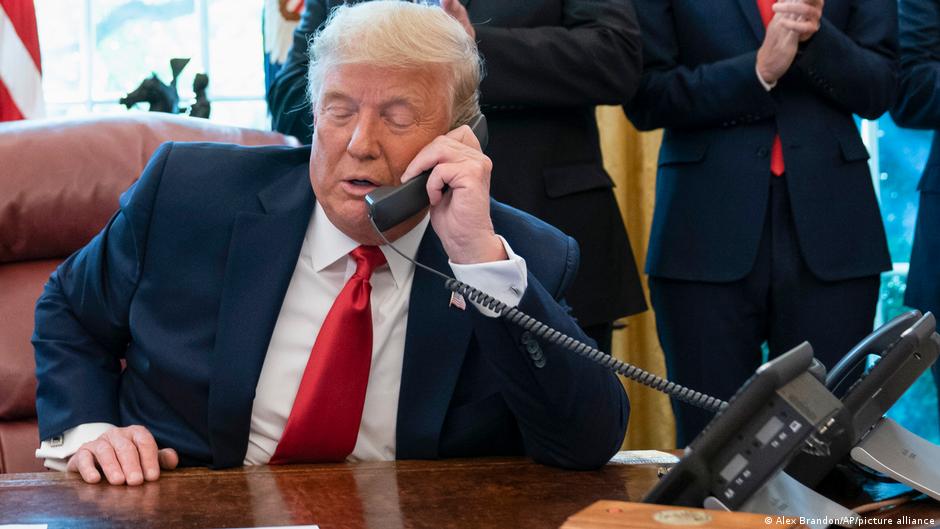
US President Donald Trump announced that American officials will no longer travel to Pakistan for negotiations aimed at ending hostilities with Iran. Speaking in a Sunday interview on Fox News’ The Sunday Briefing, Trump reasoned that the United States holds a superior position in the conflict and that Iran can reach out to Washington directly if it desires a deal.
Shift in Diplomatic Strategy and Ongoing Tensions
"We hold all the cards. If they want to talk, they can either come to us or give us a call," Trump stated. He highlighted the availability of secure communication lines, though he expressed some skepticism about the absolute security of any phone line. "We have good, protected lines, but frankly, I am not sure any phone line can be completely secure," he added.
The president emphasized the significant time investment required for envoy travel, specifically noting that sending delegates on an 18-hour journey to Pakistan was inefficient. "If they want to talk, we can talk, but we are not going to send people on an 18-hour trip to meet," Trump summarized.
Just a day prior, Trump had canceled a planned trip by US negotiators Stephen Witkoff and Jared Kushner to Islamabad, where a new round of talks with Iran was scheduled for late April.
On social media, Trump criticized the internal disorder within Iran's leadership: "Too much time is wasted on travel, too much work! Moreover, their 'leadership' is mired in enormous infighting and confusion. No one knows who is in charge, including themselves. Plus, we hold all the cards, and they have none!"
Meanwhile, Abbas Araghchi, Iran’s Foreign Minister and lead negotiator, departed Pakistan the same day. He underscored Iran’s position on realistic frameworks for ending the conflict but expressed uncertainty about the US's diplomatic commitment: "We outlined Iran’s position for realistic frameworks for a final cessation of the war against Iran. It remains to be seen how serious the US is about diplomacy."
The initial direct talks between the US and Iran took place in Pakistan’s capital on April 11, shortly after a ceasefire agreement between the two countries. However, the discussions failed to yield a positive outcome. The following day, Trump announced a blockade of the Strait of Hormuz, a move Iran condemned as a violation of the ceasefire.
Tehran has insisted that the lifting of the blockade on Iranian ports is a precondition for progress in negotiations. Conversely, Trump demands that Iran abandon its nuclear program ambitions, blaming Tehran’s nuclear development as the catalyst for the US and Israel’s military actions against Iran.
"We hold all the cards. If they want to talk, they can either come to us or give us a call," said President Trump regarding Iran negotiations.
Despite ongoing tensions, a ceasefire remains in effect in the Middle East, initially set for two weeks. As the designated period approached its end, Trump announced the ceasefire’s extension until the negotiations conclude. He stated that this decision was made at Iran’s request.
The cancellation of the Pakistani envoy trip marks a notable shift in Washington’s approach, reflecting confidence in its leverage but also signaling challenges in advancing diplomatic talks amid complex geopolitical dynamics.