Hungarian PM Orban Declines Parliamentary Seat Amid Leadership Transition in Fides Party
Viktor Orban will step down from parliamentary duties but remains party chairman as new government prepares for policy shifts.
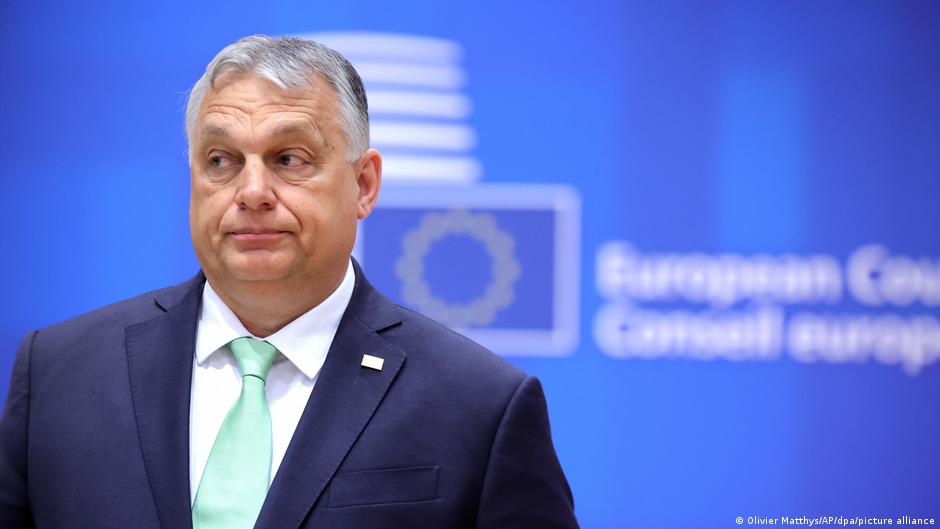
Viktor Orban, the outgoing Prime Minister of Hungary following his party's defeat in the recent parliamentary elections, has announced that he will forgo his parliamentary mandate in the new legislature. Instead, Orban intends to focus on reorganizing the national political movement he leads.
Orban's statement, issued on his social media pages on April 25, clarified that his parliamentary seat, won as the lead candidate of the Fidesz–Christian Democratic People's Party (KDNP) coalition, is effectively a Fidesz mandate. "Therefore, I have decided to renounce it. I am needed not in parliament but to restructure the national movement," he said.
Leadership Changes and Political Realignment
With Orban stepping back from parliamentary duties, leadership of the Fidesz/KDNP parliamentary group will pass to Gergely Gulyás, former head of the Prime Minister's Office. However, Orban emphasized that he intends to remain chairman of Fidesz, a role that will be revisited at the party congress scheduled for June.
This transition precedes the official swearing-in of Peter Marki-Zay, leader of the opposition coalition party Tisza, as Hungary's new prime minister on May 9. Marki-Zay has already indicated plans to reverse several policies enacted under Orban's administration.
"I am needed not in parliament but to restructure the national movement," said Viktor Orban, underscoring his shift in focus.
Among Marki-Zay's anticipated policy reversals is halting Hungary's withdrawal from the International Criminal Court (ICC). The withdrawal was initiated by Orban's government following an ICC arrest warrant for Israeli Prime Minister Benjamin Netanyahu, who had visited Hungary despite the warrant. Orban's gesture of hosting Netanyahu in April 2025, coupled with the move to exit the ICC, sparked international criticism.
Additionally, Marki-Zay has pledged to end Hungary's blocking of the EU's €90 billion credit package to Ukraine, as well as sanctions against Russia. Reports suggest that Hungary approved the credit allocation after Ukraine resumed shipment of Russian oil through the Druzhba pipeline to Hungary. Marki-Zay, however, stated he does not support Hungary's direct financial participation in aid to Ukraine.
Orban's tenure was marked by close ties to Russian President Vladimir Putin, including visits to Moscow after the onset of Russia's full-scale invasion of Ukraine in 2022. Prior to the elections, reports indicated that Russian political consultants were working to bolster Orban's campaign, but these efforts failed to prevent Fidesz's electoral loss.
Following the electoral victory of Marki-Zay's party, Kremlin spokesperson Dmitry Peskov declared that Russia would withhold congratulatory messages, labeling Hungary as an "unfriendly country." Nonetheless, Peskov expressed hopes for continuing "pragmatic contacts" with Hungary's new government. Marki-Zay himself has voiced support for maintaining diplomatic relations with Russia.