Russian Oil Product Output Drops Nearly 22% in June Amid Supply Disruptions
Russia's oil product production index declined sharply year-over-year in June while fuel prices showed signs of slowing growth.
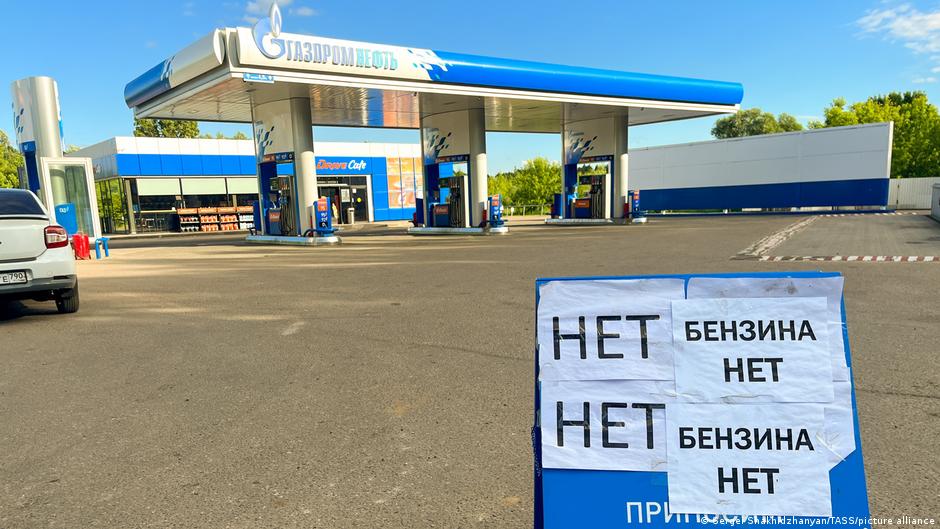
Russia experienced a significant contraction in oil product manufacturing in June 2026, with the production index falling 21.8% compared to the same month last year, according to data released by the national statistics agency. This steep decline marks an acceleration from May's 13.5% year-over-year drop, highlighting ongoing challenges in the sector amidst geopolitical tensions and infrastructure attacks.
Production Index and Market Dynamics
The oil products production index, which is a component of the overall industrial production index, reflects the value of a representative basket of refined petroleum goods calculated at constant prices based on 2023 levels. This index does not provide volume data in physical terms, as the Russian government has opted not to release natural volume statistics for oil product output. Instead, it measures production value adjusted for inflation and price changes.
"Monthly production indices are calculated as the ratio of the value of representative goods produced, adjusted to constant 2023 prices," according to industry analysts.
Despite the sharp drop in production, Russian authorities have claimed that the fuel market has "partially stabilized" following a period of severe disruptions. The context for these disruptions involves intensified strikes by Ukrainian forces targeting Russian oil storage facilities and refineries, which have led to the shutdown of roughly 25% of the nation’s refining capacity, according to independent assessments.
Fuel Pricing Trends
Fuel prices in Russia continue to rise but at a moderated pace. Data for the week ending July 20 show gasoline prices increased by 1.7%, down from a 2.3% rise the previous week. Diesel fuel prices also grew by 1.9% during the same period, compared to a 3.2% increase the week prior. This deceleration in price increases suggests some easing of market pressures but remains indicative of constrained supply conditions.
The supply crunch has been exacerbated by the ongoing conflict with Ukraine. Ukrainian drone strikes have specifically targeted critical oil infrastructure in Russia, contributing to the largest fuel shortage since the start of the full-scale war. These disruptions have led to fuel rationing and sales restrictions in several Russian regions, further complicating market dynamics.
Market participants are closely monitoring the situation as regional governments implement measures to manage shortages while balancing economic and political considerations. The sector’s recovery will likely depend on the restoration of refining capacity and the geopolitical trajectory of the conflict.