Russian Forces Strike with Guided Bombs on Zaporizhzhia and Sumy, Causing Civilian Casualties
Russian army attacked Zaporizhzhia and Sumy with guided bombs on July 19, resulting in at least three civilian deaths and multiple injuries.
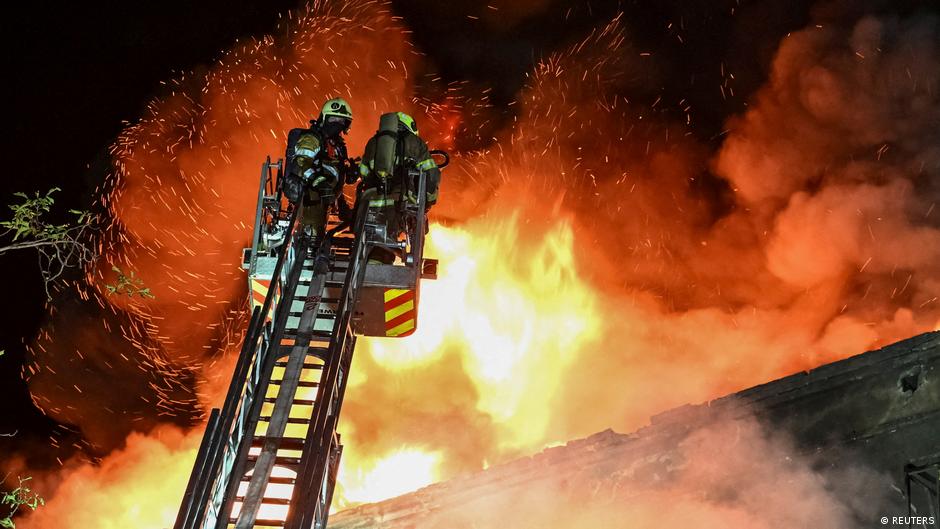
On July 19, the Russian military conducted airstrikes using guided aerial bombs targeting the Ukrainian cities of Zaporizhzhia and Sumy. The attacks resulted in significant damage to residential buildings and civilian infrastructure, causing multiple casualties.
Details of the Attacks and Casualties
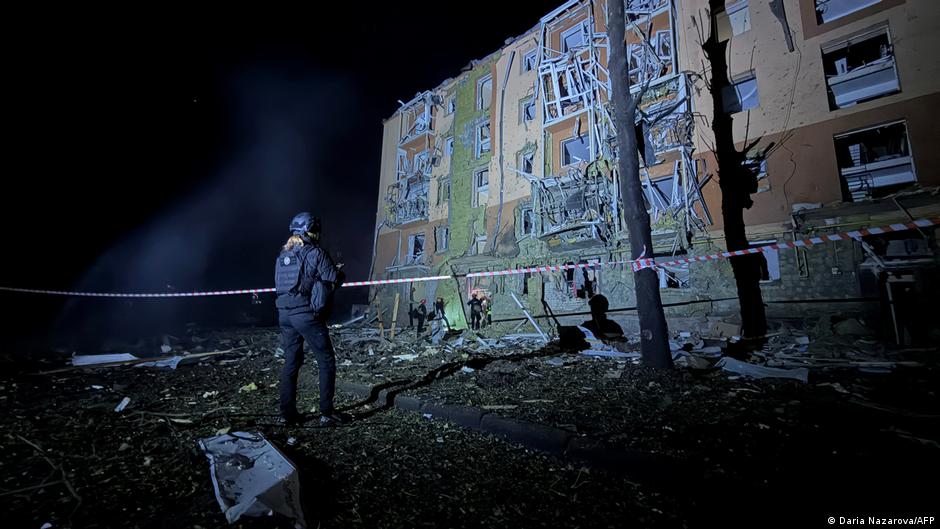
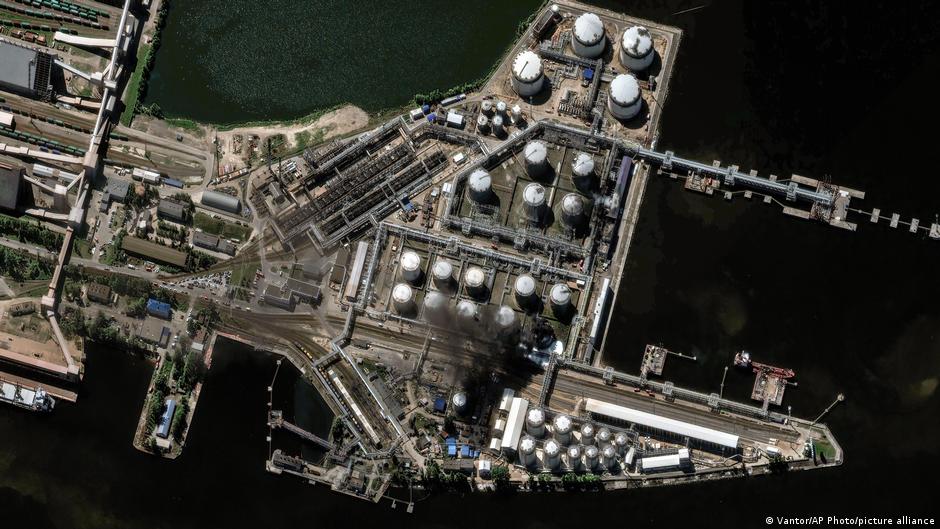
In Zaporizhzhia, two floors of a five-story residential building were completely destroyed. Additionally, windows and balconies in a nearby nine-story building were damaged. A logistics operator's terminal also caught fire as a consequence of the strike. These damages were confirmed by Ivan Fedorov, head of the Zaporizhzhia Regional Military Administration.
According to the State Emergency Service of Ukraine, at least two civilians were killed in Zaporizhzhia. At least 42 others were injured, including eight children. Ukrainian media sources reported that the city was hit by guided aerial bombs.
Earlier on the same day, Russian forces targeted Sumy with similar guided bomb attacks. The strikes damaged civilian infrastructure, especially in the Kovpakivskyi district, resulting in one death and at least three injuries, according to Oleg Hryhorov, head of the Sumy Regional Military Administration. He noted that about seven guided bombs were used in this attack, affecting both residential and industrial zones.
"Preliminary reports indicate the use of seven guided aerial bombs, with impacts recorded in both residential and industrial sectors," said Oleg Hryhorov.
Market Implications and Sector Impact
These attacks underscore the ongoing conflict risks in Eastern Europe, which continue to influence regional market stability. Infrastructure damage in key urban centers like Zaporizhzhia and Sumy raises concerns about supply chain disruptions and potential impacts on logistics and industrial sectors. Market participants should monitor developments closely, as further escalations could affect trading volumes and sector rotations, particularly in energy, transportation, and defense-related stocks.
Investors and traders are advised to stay alert for updates on conflict developments that may lead to volatility in the affected sectors and broader market indices.