Russian Drone Crashes on Romanian Apartment Roof Amid Ukraine Attack, Causing Fire and Injuries
A Russian drone struck a residential building in Romania during attacks on Ukraine, injuring two and prompting evacuation amid regional tensions.
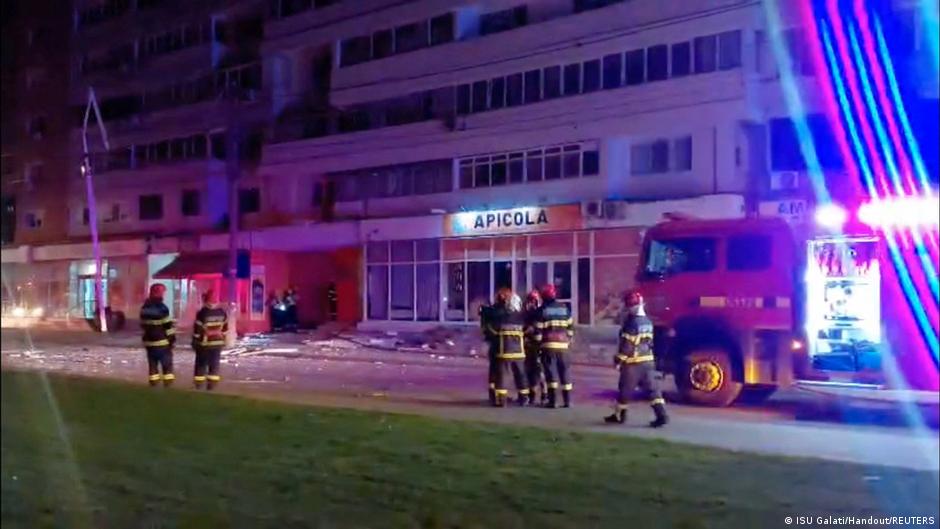
In a significant cross-border incident on the night of May 29, a Russian unmanned aerial vehicle (UAV) crashed onto the roof of a multi-story apartment building in Galați, Romania, igniting a fire and injuring two individuals. Romanian Ministry of Defense officials confirmed the drone’s origin amid ongoing Russian attacks on Ukraine.
Incident Details and Immediate Response
The drone impacted the rooftop of a residential building at the 10th-floor level, causing a fire within one of the apartments. Emergency responders reported that the entire explosive payload of the drone detonated upon impact. Two residents sustained injuries but received on-site medical assistance. Approximately 70 people were evacuated safely as fire crews extinguished the blaze.
"The explosion triggered by the drone caused injuries and significant alarm, but thanks to rapid emergency response, further casualties were prevented," Romanian emergency services stated on social media.
Romanian authorities have not disclosed the specific type of drone but have confirmed it was of Russian origin, highlighting the risk of escalating conflict spillover into NATO member states.
Context: Russian Drone Attacks on Ukraine’s Strategic Ports
On the same night, Russian UAVs launched attacks on the port district of Izmail in Ukraine’s Odessa region. Izmail, located near the Romanian border, is a key Ukrainian port on the Danube River and frequently targeted by Russian forces due to its strategic importance for regional trade and military logistics.
These drone strikes reflect Russia’s continued focus on disrupting Ukraine’s infrastructure, particularly its vital waterways and ports, amidst the ongoing conflict. The incident in Romania underscores the increasing risks of cross-border impacts as the conflict persists.
Market observers and defense analysts are closely monitoring these developments for potential implications on regional security and market stability, especially in sectors related to energy, transportation, and international trade.