Russia Quadruples Aviation Fuel Imports from Belarus Amid Domestic Production Shortfalls
Russia's aviation kerosene imports from Belarus surged nearly fourfold in May due to declining local production and ongoing logistical challenges.
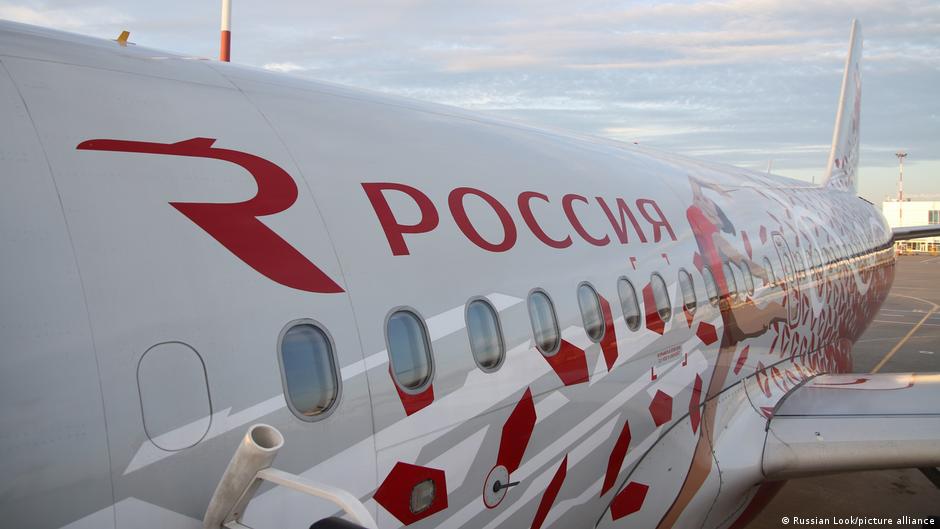
In May 2026, Russia imported 5,170 tons of aviation kerosene from neighboring Belarus, marking a nearly fourfold increase compared to the same month last year. This sharp rise in imports underscores the growing strain on Russia's domestic aviation fuel production amid a series of logistical disruptions and infrastructure attacks.
During the first ten days of June, Russia continued this trend by importing an additional 2,600 tons of aviation kerosene from Belarus. These figures were reported by market analysts citing data from the Center for Price Indices (CPI).
Domestic Production Decline and Supply Chain Strains
The surge in aviation fuel imports is largely attributed to a significant reduction in Russia's internal production capacity. Official Russian government sources have not disclosed precise production statistics; however, CPI estimates indicate that nationwide aviation fuel output in 2025 stood at approximately 11.4 million tons.
One critical blow to domestic supply occurred in mid-June when the Moscow Oil Refinery in Kapotnya, which contributed about 1.4 million tons of aviation kerosene annually, suspended operations following an unmanned aerial vehicle (drone) attack. Industry reports suggest the refinery will remain offline at least until the winter season, further tightening supply.
"The growth in imports corresponds directly with the drop in domestic production," market experts note, highlighting the vulnerability of Russia's fuel supply chain under ongoing physical security threats.
Additionally, discussions are underway regarding the import of JET A-1 aviation fuel through Russia’s seaports to be blended with domestic fuel blends, a strategy aimed at mitigating shortages, according to reports from industry sources.
Policy Measures and Broader Fuel Market Impact
Starting June 1, the Russian government imposed an unprecedented export ban on aviation kerosene, effective until November 30. This measure aims to prioritize internal market supply but has coincided with operational warnings at Russian airports about refueling restrictions.
The challenges extend beyond aviation fuel. More than 30 Russian regions have implemented restrictions on automotive fuel sales amid supply disruptions. These were initially triggered by Ukrainian military strikes targeting Russian logistics hubs in occupied Crimea. The disruptions have since spread to other parts of Russia, exacerbated by continuing aerial attacks on the country’s oil refineries.
In the broader petroleum segment, gasoline production in Russia reportedly declined by 25% year-over-year by the end of June, according to Reuters. In response to growing domestic shortages, Russia has reportedly requested Kazakhstan to sell 50,000 tons of gasoline to alleviate the shortfall.
These developments reflect increasing pressure on Russia's energy supply infrastructure amid geopolitical conflict and raise questions about the sustainability of domestic fuel availability in the near term.