Russia Proposes Expanding Military Contract Eligibility to Convicted Offenders Including Organized Crime
New bill would allow individuals convicted of crimes such as banditry and drug smuggling to sign contracts with the Ministry of Defense during mobilization or wartime.
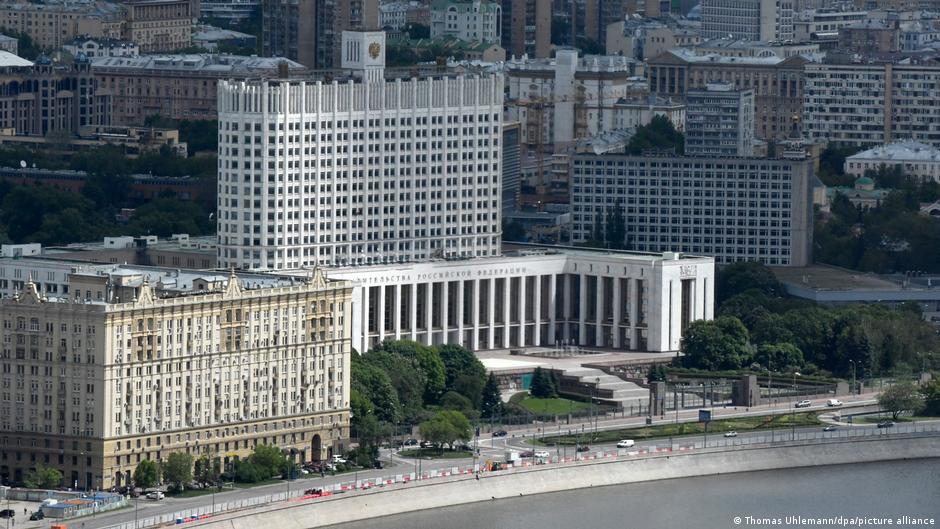
The Russian government has submitted a draft law to the State Duma proposing to broaden the list of criminal offenses that still permit convicted individuals to enter into military service contracts with the Ministry of Defense. The legislation aims to increase manpower during mobilization, martial law, or wartime.
Expanding Eligibility Amid Manpower Shortages
The draft bill, registered on July 17, 2023, would allow people convicted under several serious criminal charges to sign contracts with the military. These include participation in banditry (part 2, article 209 of the Criminal Code), organized crime (part 2, article 210), drug smuggling (article 229.1), illegal migration facilitation by groups (part 2, article 322.1), illegal acquisition and possession of nuclear materials (articles 220 and 221), cash smuggling (article 200.1), and loss of documents containing state secrets (article 284).
The explanatory note states the bill requires amendments to federal laws governing military duty and criminal law but asserts it will not have negative socio-economic or financial consequences. It also claims the measure will not adversely affect the achievement of state program objectives.
"The adoption of the bill will not cause negative socio-economic, financial, or other adverse effects," the explanatory note said.
This move comes amid recent efforts by Russian authorities to boost contract enlistment numbers. For example, in May 2023, President Putin extended a law allowing debt forgiveness for new military contractors. Authorities have reportedly engaged in active recruitment campaigns, including in Belarus and China, promoting roles supporting the special military operation in Ukraine.
There have also been reports of military commissariats in Russia's Penza region conducting raids to compel men to join the armed forces. Additionally, the Higher School of Economics pledged to cover tuition for students signing military contracts through the university's 'BARS' unit or drone forces.
Speculation about a new wave of mobilization continues amid these developments. Russia previously conducted partial mobilization from late September to early October 2022. According to a January 2023 response from the presidential administration, the decree authorizing partial mobilization remains in force to regulate necessary military measures.
Presidential spokesman Dmitry Peskov stated that the decree's provisions continue to apply, as they govern "other activities necessary to fulfill the armed forces' tasks," including obligations of military personnel.