Novorossiysk Fire Puts Russia’s Key Black Sea Export Hub in Focus
A drone attack on Novorossiysk triggered fires at a fuel oil terminal and a residential building, renewing market concern over Russian export flows.
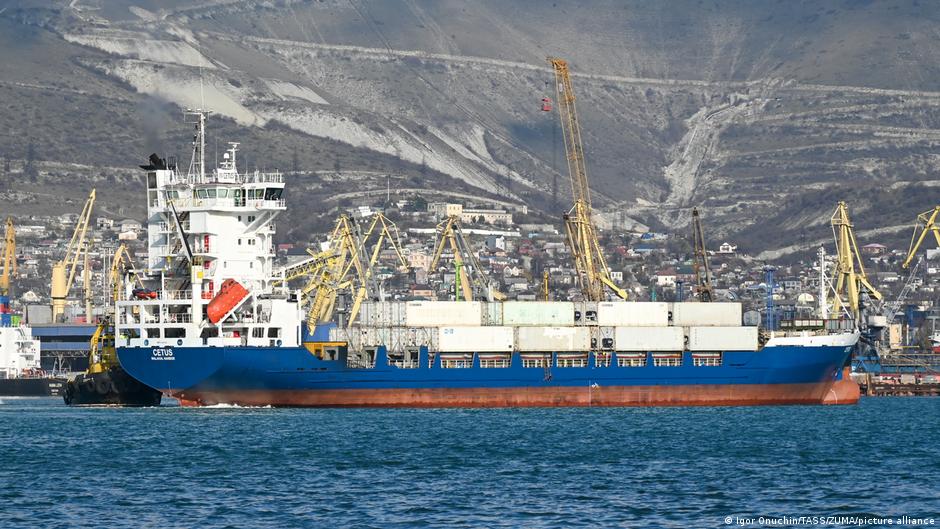
A major fire broke out in Novorossiysk after a drone attack on the Russian Black Sea port city, according to local officials and OSINT analysis cited by ASTRA, putting renewed attention on one of Russia’s most important export gateways for oil, grain, metals and container cargo.
Novorossiysk Mayor Andrei Kravchenko said on Telegram overnight into Wednesday, September 9, that the city had been attacked using unmanned aerial vehicles. According to his statement, debris from drones had fallen on the grounds of enterprises and near a residential building. Preliminary information indicated there were no casualties, and emergency services were working to deal with the consequences.
ASTRA, citing its OSINT analysis, reported that a fuel oil terminal was burning after the strikes. The outlet described the site as one of the leading enterprises in the Novorossiysk transport hub, which forms part of Russia’s largest port. ASTRA also reported a separate fire in a residential apartment building on Volgogradskaya Street, after an eyewitness filmed another blaze in the city.
According to preliminary information, there are no casualties, and emergency services are eliminating the consequences.
Export Hub Risk Returns to Market Watchlists
For commodity and freight markets, the location of the incident is the central issue. Novorossiysk is one of the largest ports in Europe and a key hub for Russia’s foreign trade. The city’s port complex handles flows across several major sectors, including oil, grain, metals and containerized cargo. That makes any disruption in the area significant for traders tracking Black Sea logistics, Russian export availability and insurance or shipping risk around the region.
The reported fire at a fuel oil terminal is particularly relevant for energy markets because Novorossiysk is part of the infrastructure through which Russian petroleum products reach global buyers. The available source material does not provide figures on damage, capacity affected, trading volumes, or the duration of any operational disruption. It also does not state whether shipments were halted after the fire. Even so, fires at port-linked energy infrastructure are typically watched closely because they can affect loading schedules, berth availability, storage operations and market sentiment before confirmed volume data appears.
The event also comes after earlier disruptions. In August, intensified strikes on Novorossiysk caused noticeable interruptions in oil and grain shipments, according to the source article. That recent history is likely to keep the port high on traders’ risk screens, especially for desks monitoring Russian export corridors, Black Sea freight activity and near-term commodity flows.
Grain and Oil Flows Under Scrutiny
Novorossiysk is not only an energy gateway. It is also a major artery for Russian grain exports. Up to one third of all Russian grain exports pass through Novorossiysk, a role explained by the port’s proximity to the country’s main agricultural regions. Any operational issues at the port can therefore attract attention from grain traders, shippers and importers exposed to Black Sea supply.
The source article states that oil, metals and container cargo are also shipped through Novorossiysk to global markets. That broad cargo mix means the impact of a security incident can cut across multiple sectors, even when the immediate physical damage appears concentrated in a specific area such as a fuel oil terminal or a nearby residential building.
At this stage, the reported facts point to fires and emergency response activity rather than a confirmed breakdown in port-wide operations. The mayor’s statement referred to drone debris landing on enterprise territory and near a residential building, while ASTRA’s OSINT analysis identified a burning fuel oil terminal and a fire in an apartment block on Volgogradskaya Street. No casualty figures beyond the preliminary report of no injured people were provided in the source.
For real-time market intelligence, the next variables would be operational rather than political: whether loading continues, whether any berths or terminals are closed, whether tank storage or rail access is affected, and whether grain and oil exporters adjust schedules. The source article does not provide those details, and no shipment or price data is included. As a result, the market relevance lies in the renewed risk to a strategic logistics node rather than in any confirmed volume loss from this specific incident.
Novorossiysk’s role in Russian trade explains why even preliminary reports from the city can move quickly across commodity desks. The port links Russia’s agricultural south and energy infrastructure to global buyers, and recent strike-related disruptions in August had already shown that attacks on the city can coincide with visible interruptions in oil and grain shipments. Wednesday’s reported fires therefore add another live risk marker for traders watching Black Sea export routes.