ICAO Urges Stronger Airline Protections After Ukraine Flags Russian Airspace Risk
UN aviation body calls for tougher safeguards over conflict zones after Kyiv formally warns that rising military activity is making Russian airspace unsafe.
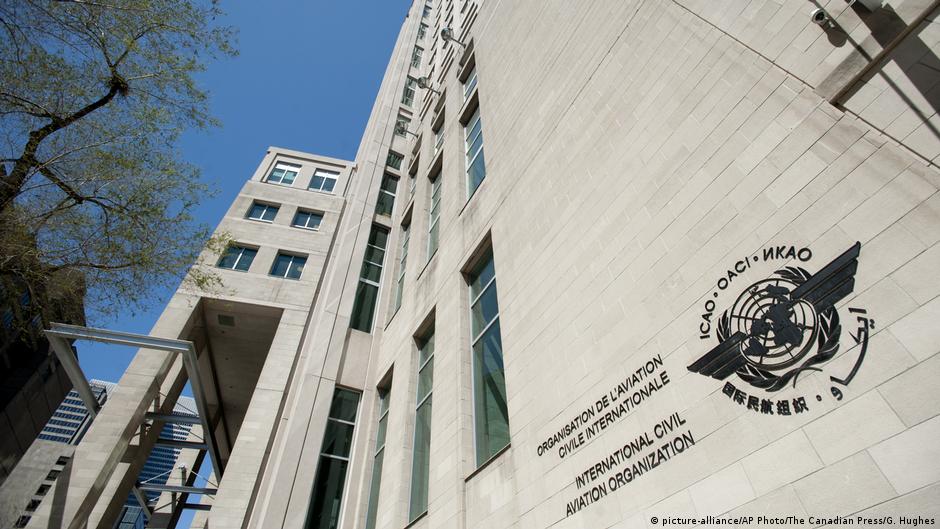
The International Civil Aviation Organization has called on states to strengthen protections for civilian aircraft flying near conflict zones, sharpening the focus on aviation risk after Ukraine formally notified the agency that Russian airspace has become unsafe because of intensified military activity. The statement, published on Wednesday, September 2, stops short of naming Russia or Ukraine directly, but lands at a time when airspace risk is moving higher on the agenda for airlines, regulators and insurers tracking operational disruptions across the region.
ICAO, a United Nations body with 193 member states, said countries should take on firmer commitments to shield civilian aircraft from dangers tied to conflict zones. The organization said its appeal was driven by a growing global threat of weapons being used against civilian planes, as well as an increased risk that such aircraft could be deliberately targeted or caught in crossfire.
For markets tied to aviation, the warning underscores how security developments can spill into flight operations, route planning and airport logistics with little notice. The organization cited several technologies as sources of danger, including drones, long-range weapons systems, air defense systems and devices that create radio-frequency interference for navigation systems. That mix of threats points to a more complex operating environment for commercial carriers and raises the likelihood of sharper scrutiny over flight paths that pass near active military activity.
Member states should rapidly exchange threat information when specific activity creates risks for civilian aircraft, strengthen risk-assessment mechanisms and timely decision-making, and improve coordination between military and civilian authorities to prevent civilian aircraft from being mistakenly identified as military targets.
That language from ICAO frames the issue not only as a safety problem but also as a coordination challenge that can have immediate operational consequences. For airlines and aviation service providers, faster information-sharing and clearer military-civilian communication are central to avoiding sudden changes in routing, delays and higher compliance burdens. For investors watching transport and travel names, any shift in official guidance on contested airspace can quickly alter assessments of operational continuity.
Ukraine’s warning raises pressure on regional airspace oversight
Hours before ICAO released its statement, Ukrainian Foreign Minister Andrii Sybiha said Kyiv had officially informed the organization that Russia’s airspace is unsafe because of what he described as increased military activity. He said Ukraine strongly urges everyone to avoid it. Sybiha said Russia is consciously ignoring existing threats caused by its aggression against Ukraine, and argued that those dangers have already resulted in several incidents over recent years.
According to Sybiha, against the backdrop of what he called a sharp escalation of terror by Russia against Ukraine, Russian airspace is becoming increasingly unsafe. He said Kyiv’s notice to ICAO was intended to prevent unintended incidents. The formulation is significant because it seeks to move the issue from bilateral accusation into the framework of international civil aviation oversight, where warnings can influence the risk posture of carriers, counterparties and foreign regulators even without a formal closure of airspace.
The Ukrainian notification followed remarks made on September 1 by President Volodymyr Zelenskyy, who said airspace over Russia would gradually close because of Ukrainian drones that Russian authorities are not properly reporting. Zelenskyy said the Russian sky is becoming completely unsafe. He added that Ukraine does not want innocent people to die and is therefore warning partners. Those comments increase the probability that market participants will focus more closely on any knock-on effects for flight availability, scheduling reliability and regional transport infrastructure.
From a market intelligence perspective, the sequence of statements matters. Ukraine’s warning came first, ICAO’s broader safety appeal followed within hours, and Russian authorities later moved to signal continuity and control. That flow of headlines is likely to be watched closely by airlines with exposure to Eurasian routes, by insurers assessing conflict-zone liabilities and by travel-related businesses sensitive to disruptions in cross-border air traffic.
Russian President Vladimir Putin sharply rejected Zelenskyy’s remarks, calling them a bid for state terrorism. Speaking in the night of September 2 after the Shanghai Cooperation Organisation summit in Bishkek, Putin said that if, God forbid, such tragedies occur, Russia will find a way to respond and that nobody should doubt it. The exchange adds a more confrontational political layer to what ICAO framed as a technical and safety-driven concern, increasing the risk that aviation warnings become entangled with broader military signaling.
Later on September 2, Russia’s Federal Air Transport Agency, Rosaviatsia, said together with other authorities it is implementing additional measures for the safe use of Russian airspace and to enhance protection of transport infrastructure on the ground. The agency stressed that Russian air transport and its ground infrastructure continue normal operations and are receiving and dispatching flights, including those of foreign airlines.
That assurance is important for markets because it attempts to counter any immediate perception of disorder in Russian aviation operations. Even so, ICAO’s intervention highlights the growing premium on official risk disclosures, especially when drone activity, air defense systems and navigation interference are all cited as relevant hazards. For the aviation sector, the issue is no longer limited to closed war zones; it increasingly includes adjacent or actively contested airspace where risk conditions can change faster than conventional regulatory processes.
The broader implication is that conflict-related airspace risk is becoming a more material variable for aviation-linked decision-makers. Carriers, leasing companies, insurers and airport operators are likely to track whether ICAO’s call prompts more formal threat exchanges, revised risk protocols or new advisories from national authorities. In the near term, the organization’s statement does not impose a direct ban, but it does raise the pressure on governments to act faster when military activity creates clear hazards for civilian flights.
For investors and operators looking at transport and travel exposure, the key signal is that conflict-zone aviation risk is becoming more dynamic and more visible. ICAO’s call, Ukraine’s warning and Russia’s response together form a sequence that could influence route decisions and safety assessments well beyond the immediate region if member states move to tighten procedures around contested airspace.