Germany Considers Steinmeier to Represent EU in Possible Ukraine Peace Talks with Russia
German government views a Steinmeier-Schröder mediation duo as a potential EU delegation for peace negotiations with Russia amid stalled Ukraine talks.
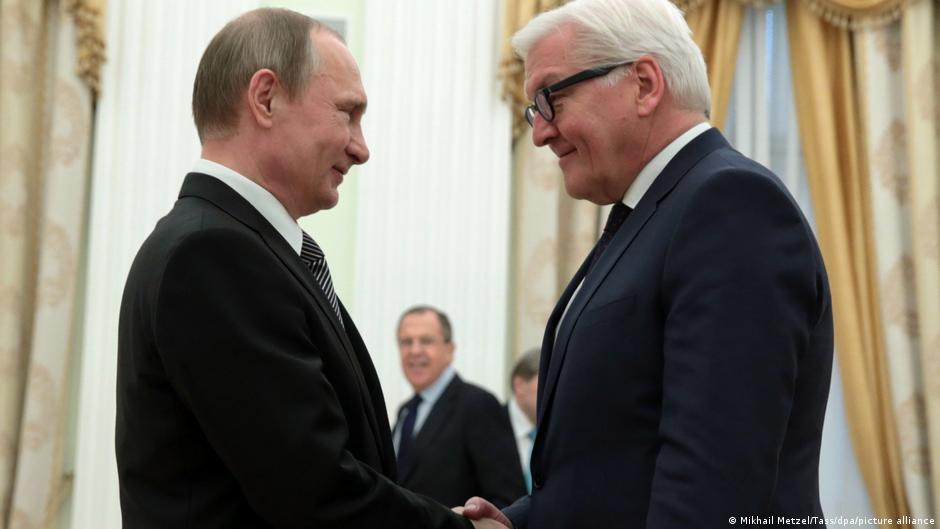
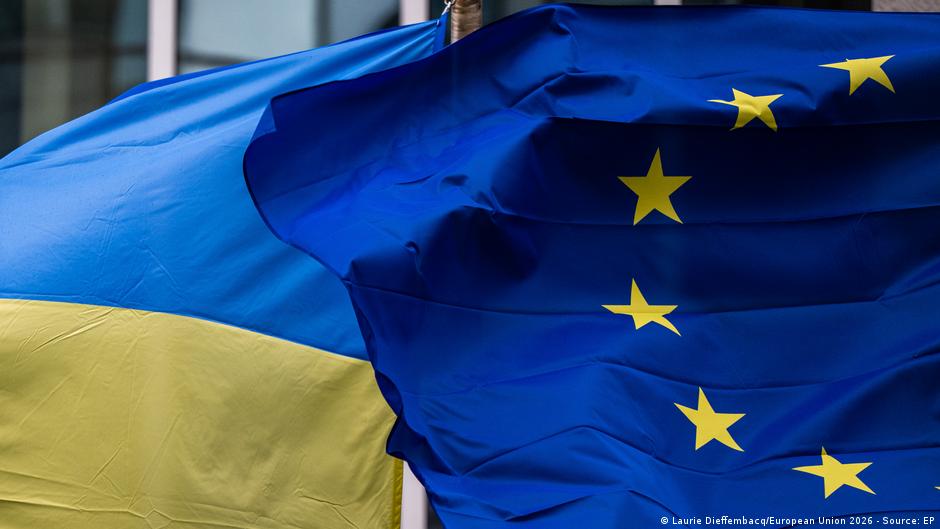
The German government is contemplating the involvement of President Frank-Walter Steinmeier as the European Union's representative in prospective peace talks with Russia aimed at ending the ongoing war in Ukraine, according to information obtained by Der Spiegel.
This consideration is part of discussions within Germany's ruling coalition, which sees the formation of a mediation duo comprising former Chancellor Gerhard Schröder and President Steinmeier as an "interesting option" for representing the EU in negotiations with Moscow.
Complex Dynamics Surrounding EU Representation
While Russian President Vladimir Putin has publicly advocated for Schröder—known for his longstanding friendship with Putin—to serve as the EU's representative in peace talks, the German government remains skeptical of such a proposal. German officials doubt that Schröder alone could effectively fulfill the role and are hesitant to endorse Putin's suggestion, viewing it as lacking credibility due to Russia’s inconsistent willingness to compromise.
"The German government does not consider Putin's proposal trustworthy, as Russia has not demonstrated readiness for meaningful compromises," a source told Der Spiegel.
Putin's endorsement of Schröder came during a May 9 press conference when asked whether there were politicians in Western Europe with whom Russia could engage in dialogue. Putin emphasized that Russia is open to talks but underscored that Europe must nominate a negotiator who has not made disparaging remarks about Russia, asserting that Russia has always communicated respectfully with the EU.
Currently, official negotiations between Russia and Ukraine have stalled, a reality confirmed by Russian Foreign Minister Sergey Lavrov in mid-April. The German government perceives Putin’s recent statements as part of a pattern of disingenuous overtures intended to create divisions within Europe rather than genuine peace initiatives.
Sources within the German government have indicated that a credible test of Russia's intentions to end the war would be its willingness to extend the existing three-day ceasefire. Until such actions occur, Berlin remains cautious about the prospect of successful negotiations.
Germany’s ruling coalition appears to be weighing the option of Steinmeier acting as the EU’s lead negotiator, potentially alongside Schröder, to balance experience with political reliability. This approach reflects the intricate diplomatic balancing act in managing EU-Russia relations amid the ongoing conflict in Ukraine.