Finland Lifts Ban on Nuclear Weapons Import and Storage Starting July 1
Finnish president signs atomic energy law amendments removing nuclear weapons prohibition to enhance national and NATO security.
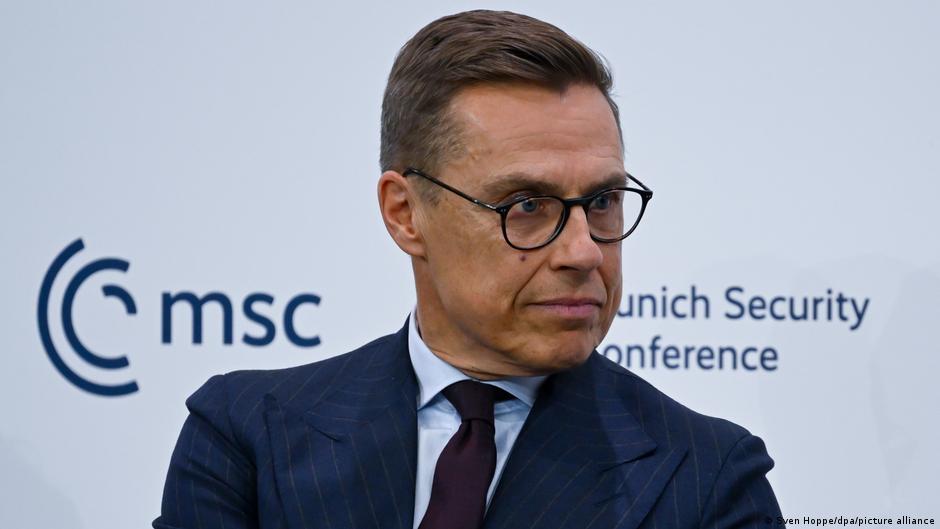
On June 26, Finnish President Alexander Stubb signed amendments to the country's atomic energy law, effectively lifting the longstanding ban on the import and storage of nuclear weapons within Finland's borders. These legislative changes will take effect from July 1, marking a significant shift in Finland's defense and security policy.
The amendments had previously been approved by the Finnish parliament on March 17, with a vote tally of 125 in favor and 61 against. Defence Minister Antti Häkkänen described the reform as "historic," emphasizing its role in strengthening Finland's security framework as well as that of the broader NATO alliance.
Strategic Implications for Finland and NATO
"This is about nuclear deterrence - a preventive factor designed to ensure that nuclear weapons never have to be used," President Stubb remarked, underscoring that Finland does not intend to deploy nuclear arms in peacetime.
Despite the removal of the legal barrier, President Stubb has clarified that Finland does not plan to host nuclear weapons during times of peace. Instead, the amendment facilitates nuclear deterrence capabilities in alignment with Finland's recent NATO membership, which was formalized in April 2023 after Helsinki announced intentions to join the alliance in May 2022 amid the escalation of Russia's military actions in Ukraine.
Finland shares a border exceeding 1,300 kilometers with Russia, making the security dynamics highly sensitive. The legislative change aims to deter potential military aggression by signaling Finland's preparedness to participate in NATO's nuclear deterrence posture if necessary.
Reactions and Security Context
Moscow responded strongly to the legislative developments, issuing warnings of "retaliatory measures" should nuclear weapons be stationed on Finnish soil. Defence Minister Häkkänen asserted Finland's readiness to respond appropriately to any Russian reaction, while also stating that the law revision reduces the risk of Finland becoming a target of Russian military activity.
This move follows Finland's official withdrawal from the Ottawa Convention in January 2025, which bans the production, use, and stockpiling of anti-personnel mines. President Stubb justified the withdrawal by citing the deteriorating security environment and Russia's aggressive and non-compliant stance regarding international arms control agreements.
Recent geopolitical tensions have compelled Finland to recalibrate its defense policies. In May 2026, Stubb called for Europe to engage in direct dialogue with Russia, indicating a willingness to seek diplomatic solutions despite the current adversarial climate.
Overall, the lifting of the nuclear weapons ban represents a significant realignment in Finland's defense posture, with implications for regional security, NATO's strategic calculus, and ongoing tensions with Russia.