EU Faces Internal Doubts Over Entry Ban for Russian Combatants Amid 21st Sanctions Package
France and Italy express concerns that banning Russian combatants from entering the EU could inadvertently restrict all Russian travelers.
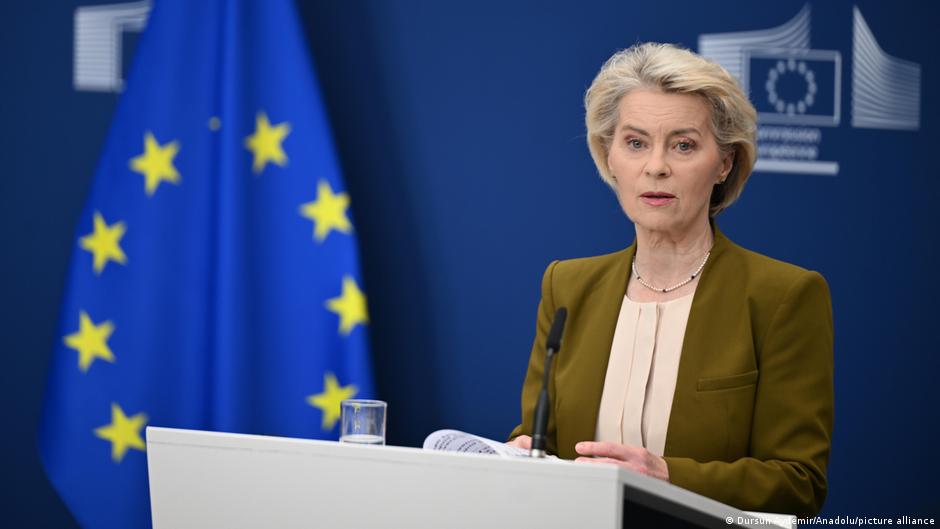
The European Union is poised to consider a critical addition to its 21st sanctions package against Russia, which includes a proposed ban on entry for Russian citizens who have participated in military actions against Ukraine. However, key EU members France and Italy have voiced reservations about the practical implications of such a measure.
Concerns from Paris and Rome
Sources familiar with the ongoing discussions revealed that both Paris and Rome are wary that implementing a broad entry ban targeting Russian combatants could inadvertently lead to travel restrictions on all Russian nationals. These concerns stem from the difficulty in accurately identifying which individuals have taken part in the conflict and which have not.
"Paris and Rome fear that the entry ban might be applied universally to all Russian citizens, rather than strictly to combatants," the sources explained, highlighting challenges in enforcement.
Within the EU, the determination of an individual's combatant status would fall to member states, a process that officials expect to be complex and potentially contentious. This complicates the enforcement of the ban and raises questions about its fairness and effectiveness.
Strategic Purpose of the Ban
The proposed ban on Russian combatants forms part of a broader strategy by the European Union to intensify pressure on Moscow amid improving military conditions for Ukraine on the front lines. By restricting travel for individuals directly involved in the conflict, the EU aims to signal its stance and incentivize Russia to enter negotiations.
The 21st sanctions package, introduced by European Commission President Ursula von der Leyen on June 9, also encompasses measures targeting Russia's energy sector, financial institutions, trade, and for the first time, fisheries.
"Europe remains closed to all those who participated in the invasion of Ukraine," von der Leyen stated, underscoring the EU's resolve to close loopholes and maximize pressure on Russian revenue streams that sustain its war effort.
Additional Challenges Beyond Travel Restrictions
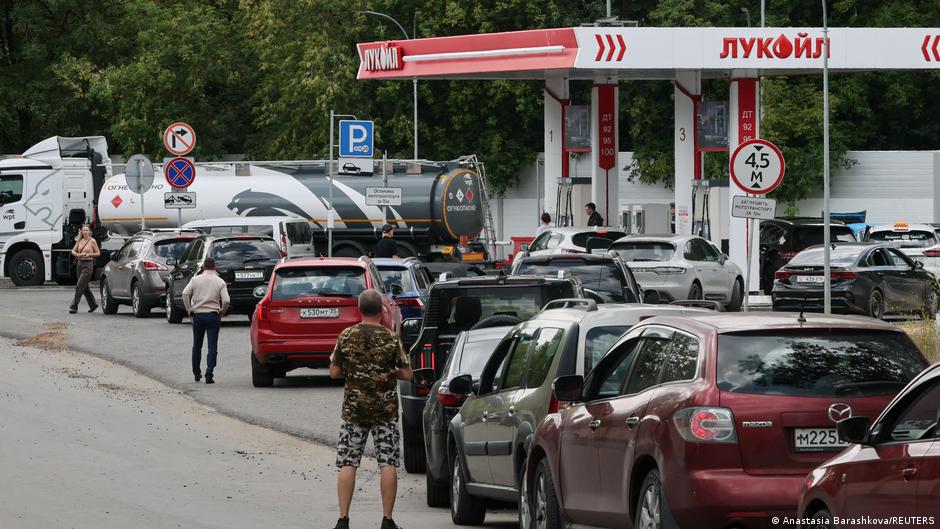
Aside from the entry ban, EU officials and observers have identified further challenges related to enforcing other elements of the sanctions package. Notably, the implementation of a price cap on Russian oil amidst elevated global energy prices presents a significant enforcement hurdle.
As EU member states prepare to discuss and hopefully approve the 21st sanctions package on June 26, unanimity will be required. The differing perspectives among member countries, as exemplified by France and Italy's cautious stance, illustrate the balancing act Brussels faces in crafting measures that are both effective and practical.