Uzbek Government Accelerates Privatization of Asakabank with Significant Asset Transfers
New presidential decree halts non-core activities and reallocates assets to streamline Asakabank’s privatization process by end of 2025.
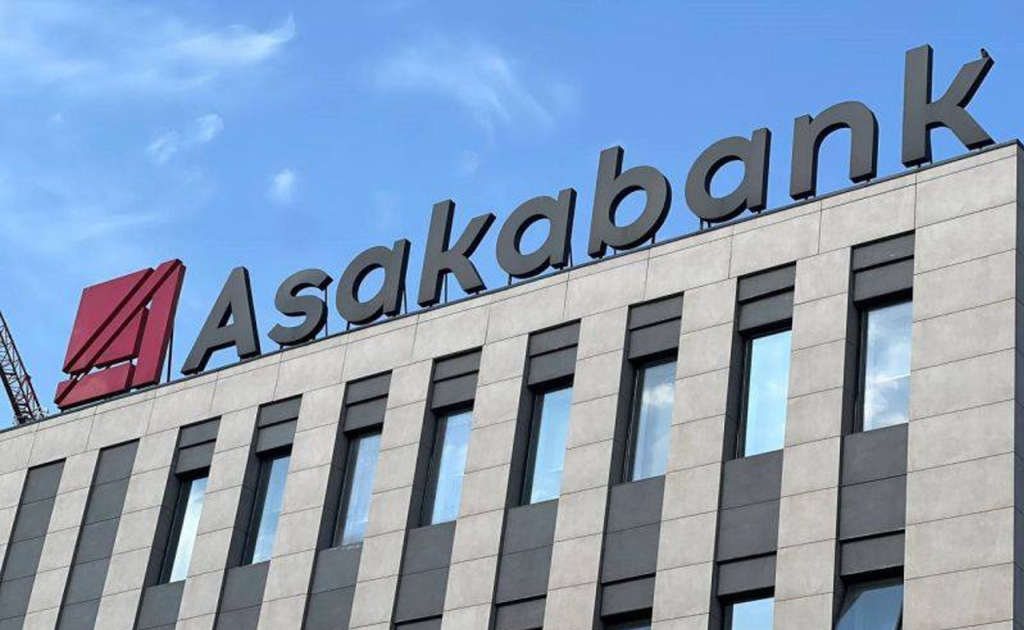
The Uzbek government has issued a presidential decree aimed at expediting the privatization of Asakabank, the country’s second-largest state-owned financial institution. The decree enforces a strategic shift that suspends all non-core activities and transfers several assets and investment projects to state agencies, aligning Asakabank’s operations with modern banking principles and market risk management standards.
Key Measures to Streamline Bank Operations and Asset Management
According to the decree, Asakabank will cease any activities unrelated to its primary banking functions. A significant portion of the bank’s non-core assets will be transferred to the State Asset Management Agency. Notably, the former "Tashkent Agricultural Machinery Plant" property complex currently held by the bank will be handed over to the agency, with compensation to be made later from proceeds of the bank's privatization.
Additionally, a portfolio of investment projects and shares totaling approximately 382.6 billion Uzbek soms—including enterprises like "Green Energy," "Uz CLAAS Agro," and "Khorezm Invest Project"—will be transferred to the agency under the condition of subsequent privatization.
The decree also integrates pharmaceutical startup ventures worth 780 billion soms, such as "Asaka Farm Ventures" and "Asaka Farm Invest," into the National Venture Fund of Uzbekistan (UzVC), ensuring their support through the state budget.
"All banking operations will now be conducted based on market principles, modern banking practices, and effective risk management systems," the decree states, underscoring the government’s commitment to strengthening the bank’s financial health before privatization.
Financial Restructuring and Privatization Timeline
To financially rehabilitate Asakabank, the state plans to inject $95 million in capital during 2026. Potential losses from non-performing loans will also be absorbed by state resources. Dividends for 2024 and 2025 will be suspended to allow net profits to be reinvested in strengthening the bank.
In terms of capital structure, the bank will adjust the nominal value of its shares to better reflect market prices, converting nearly 1.98 trillion soms of government debt into authorized capital.
Privatization deadlines for Asakabank have been extended several times. Initially scheduled for completion by the end of 2023, the deadline has been pushed to the end of 2025. In May 2024, a memorandum was signed between Uzbekistan and the European Bank for Reconstruction and Development (EBRD) to facilitate the privatization process. EBRD has since acquired a 15% stake in Asakabank and is expected to join the bank’s shareholders by 2026.
Beyond Asakabank, the government has also delayed privatization of other state banks, including "Uzsanoatqurilishbank," "Aloqabank," and "Turonbank," with staggered timelines extending through 2027.
The fiscal strategy for 2026-2028 indicates a selective privatization approach, maintaining state ownership in several banks such as "National Bank," "Agrobank," "People’s Bank," "Microcredit Bank," and "Business Development Bank" with plans to privatize one more by 2030, although the specific bank remains undisclosed.
This comprehensive restructuring and privatization plan reflects Uzbekistan’s broader strategy to modernize its banking sector, reduce state financial burdens, and attract foreign investment to foster sustainable economic growth.