France and Poland Launch Military Satellite Project to Boost EU Defense Autonomy
France and Poland collaborate on a secure military satellite to enhance European Union’s defense independence and reduce reliance on non-European systems.
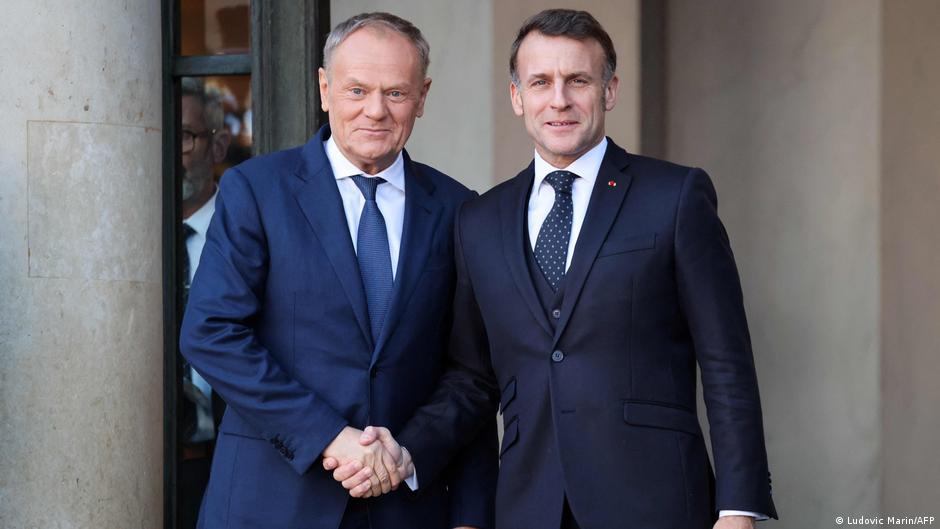
France and Poland have embarked on a significant joint venture to develop a dedicated military communication satellite for the Polish armed forces, signaling a strategic move to fortify European defense capabilities and autonomy. The project was announced during a high-level meeting in Gdańsk on April 20, attended by French President Emmanuel Macron and Polish Prime Minister Donald Tusk.
Strategic Effort Toward European Defense Independence
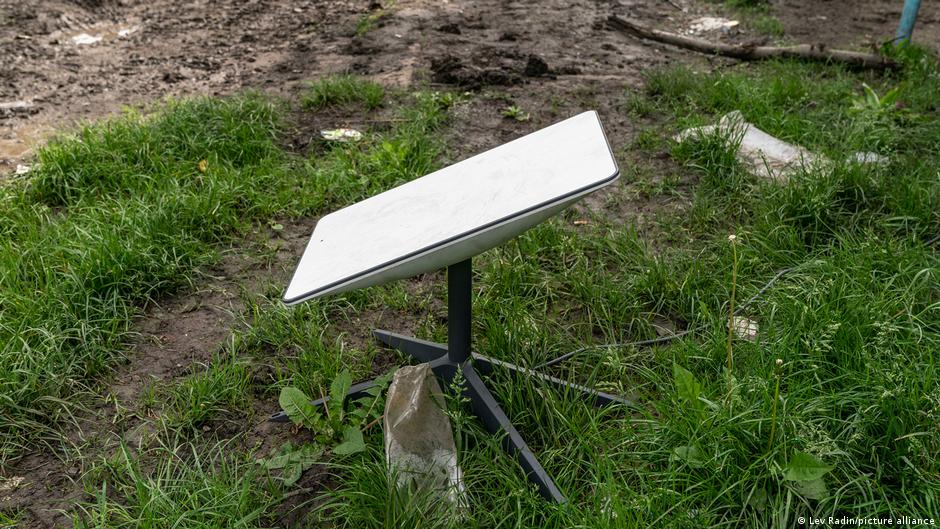
The collaborative effort involves leading aerospace and defense firms such as Thales Alenia Space, Airbus Defence and Space, and RADMOR. The satellite will provide a secure communication channel specifically for military operations, offering an alternative to existing systems like SpaceX’s Starlink, which, despite its advanced technology, introduces geopolitical and operational risks due to its private ownership and external dependencies.
"Europe seeks to reduce strategic vulnerabilities by developing independent satellite services, mitigating risks associated with reliance on politically unpredictable external actors."
This initiative is aligned with the European Commission’s comprehensive defense strategy, which aims for the European Union to establish autonomous defense infrastructure capabilities by 2030. The project underscores the continent’s push to mitigate risks linked to reliance on non-European satellite technologies.
Implications for EU Security and Defense Policy
Beyond satellite communications, the leaders discussed critical security topics including nuclear deterrence, energy security, and the European Union’s Security Action for Europe (SAFE) initiative. The SAFE fund is designed to support strategic investments that enhance the EU’s overall defense posture, reflecting increasing cooperation among member states to address evolving security challenges.
Macron and Tusk also outlined plans to deepen collaboration on missile defense systems, long-range weaponry, and missile early warning capabilities. These areas are essential for countering emerging threats and demonstrate a broader strategic drive towards integrated European defense solutions.
Long-Term Economic and Geopolitical Consequences
The France-Poland satellite venture highlights a growing macroeconomic trend toward prioritizing technological sovereignty and resilience within critical infrastructure sectors. For market participants and policymakers, this signals a shift in European investment strategies focused on reducing exposure to external disruptions that could undermine both defense readiness and economic stability.
Moreover, the partnership reflects changing dynamics in the global defense market, where government-led collaborations are increasingly balancing the influence of dominant private companies. This may trigger reassessments of supply chains, investment priorities, and geopolitical alliances, with potential lasting effects on transatlantic relations and global security frameworks.