US Will Not Renew Sanctions Exemptions for Russian and Iranian Oil Imports
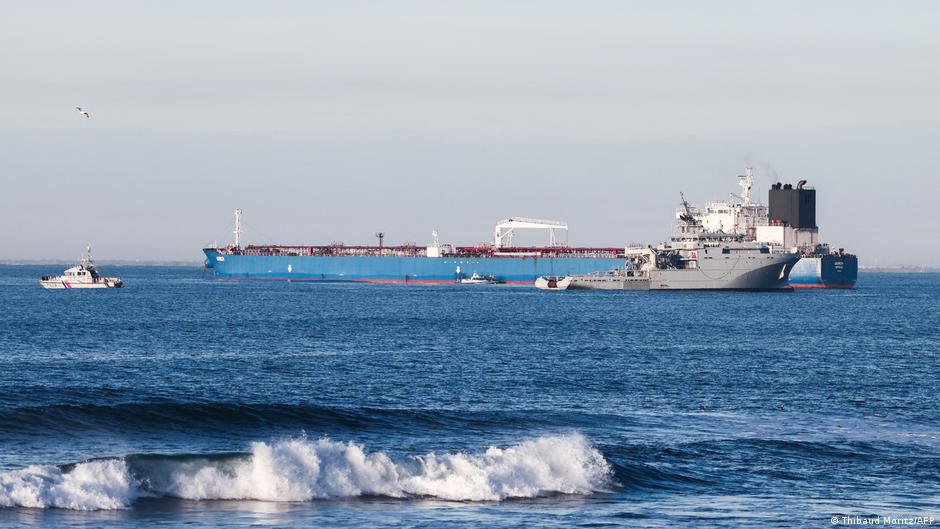
The US Treasury confirms it will end temporary waivers allowing purchase of Russian and Iranian oil products already at sea.
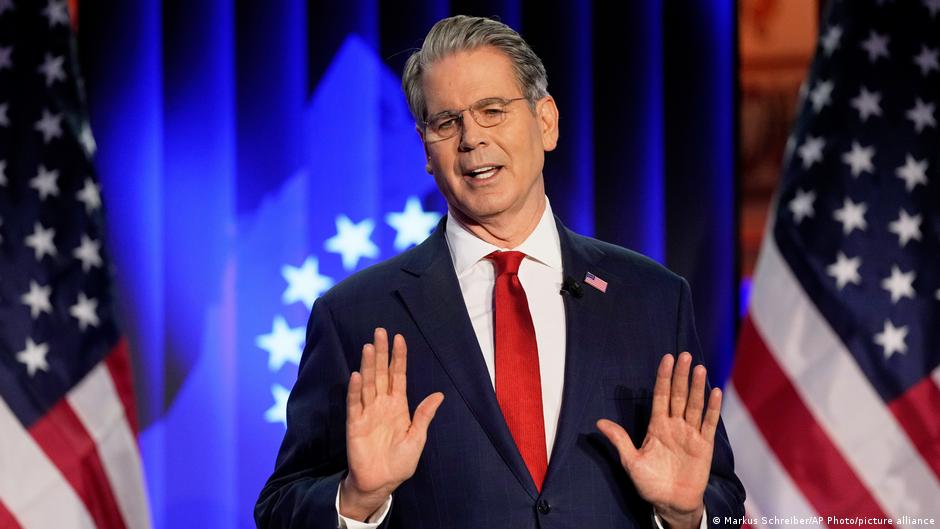
The United States has decided not to extend the temporary exemptions from sanctions that have allowed certain countries to purchase Russian and Iranian oil products already loaded on tankers, announced US Treasury Secretary Scott Bessent on April 24.
Speaking to Associated Press, Bessent clarified that the previous exemption, granted amid concerns for vulnerable and low-income countries, will not be renewed. "This was done for these vulnerable and poor countries. But I can't imagine that we will have another extension. I think Russian oil at sea is mostly exhausted," he said.
End of Temporary Relief Measures Amid Global Market Pressures
The exemption allowed countries to continue importing oil shipments that had already been loaded onto vessels before sanctions took full effect. This measure was introduced after consultations with over ten of the most vulnerable nations during meetings of the World Bank Group and the International Monetary Fund in mid-April.
"I think Russian oil at sea is mostly exhausted," said Treasury Secretary Scott Bessent, signaling the end of temporary sanctions relief.
In addition to Russian oil, the US Treasury official indicated that no extension is planned for the separate, one-time exemption previously granted for Iranian energy exports. Bessent predicted that mounting US pressure would force Iran to reduce its oil production in the coming days, stating, "We think in the next two to three days they will have to start cutting production, which will be very detrimental to their wells."
This announcement follows an earlier extension granted until May 16, as reported by Reuters on April 18. Prior to that, Bessent had remarked that Washington would not continue these exemptions indefinitely.
Earlier sanctions relief for Russian oil exports, implemented on March 13 due to rising energy prices triggered by the war in Ukraine and disruptions in the Strait of Hormuz, were intended as narrowly targeted, short-term measures. Bessent described them as not significantly impacting Moscow's oil revenues.
However, reports from The New York Times on April 13 indicated that these relaxations had enabled Russia to earn more than $100 million per day in additional oil revenues.
The temporary easing of sanctions faced opposition from several quarters, including Ukrainian President Volodymyr Zelensky and Ukraine's ambassador to the United States, Olga Stefanishina.
Market participants and analysts should monitor the potential tightening of supply from Iran and the complete cessation of sanctioned Russian oil shipments, factors that could impact global oil price dynamics and sector rotation in energy markets.