US Senate Advances Resolution to Restrict War Powers Against Iran Amid Ongoing Tensions
Senate votes 50-47 to consider a resolution requiring presidential approval from Congress for military actions against Iran.
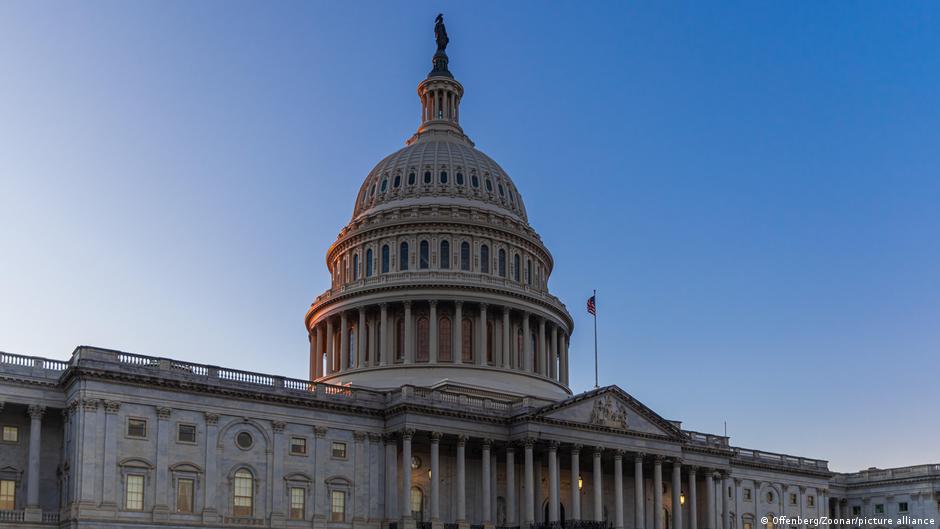
The United States Senate took a significant step on Tuesday, May 19, advancing a resolution that would require President Donald Trump to either cease all military operations against Iran or obtain formal Congressional authorization before continuing any further actions. This move comes amid ongoing tensions and military confrontations between the US and Iran.
In a procedural vote, 50 senators supported moving forward with the resolution, while 47 opposed it. The vote was closely contested and marked a rare success after seven previous attempts to advance this legislation were blocked, primarily by Republican senators. Notably, three Republican senators were absent due to their election campaigns, casting uncertainty over the resolution’s ultimate passage in the full Senate.
Legislative Efforts to Limit Executive Military Authority
The resolution aims to enforce the War Powers Act of 1973, which restricts the president's ability to engage in military conflicts without Congressional approval beyond a 60-day period. According to the Act, once the 60 days elapse, the president must either end hostilities or secure explicit Congressional consent to continue military operations.
Earlier this year, multiple attempts to bring the resolution to a vote were stymied in both the Senate and the House of Representatives, largely along partisan lines. These efforts intensified following the commencement of military operations by US and Israeli forces against Iran in March.
Senator Tim Kaine, a Democrat and the resolution’s procedural vote initiator, emphasized the pressing need for Congressional oversight, especially as a fragile ceasefire between the US and Iran has been in place since early April. "This is the perfect time for a debate before we potentially enter another war," Kaine said. He also criticized the administration for dismissing diplomatic efforts without Congressional engagement.
"The president receives peaceful and diplomatic offers that he throws in the trash without sharing them with us," Senator Kaine remarked.
Despite President Trump’s notification to Congress on May 1, 2026, declaring the end of hostilities with Iran following the expiration of the 60-day War Powers Act window, US military activities continue. These include blockades of Iranian ports and strikes against Iranian vessels, maintaining a state of tension in the region.
The Senate’s advancement of this resolution signals growing Congressional intent to reassert its constitutional role in matters of war and peace, seeking to prevent unilateral military engagements by the executive branch without legislative oversight.
Market watchers should monitor this evolving political dynamic closely, as further Senate debates and potential votes could impact geopolitical risk perceptions and affect trading volumes in sectors sensitive to Middle East stability, including energy and defense industries.