Trump Postpones Planned Military Strike on Iran Amid Regional Diplomatic Pressure
US President Donald Trump delays Iran attack originally set for May 19 following urgent appeals from Gulf leaders.
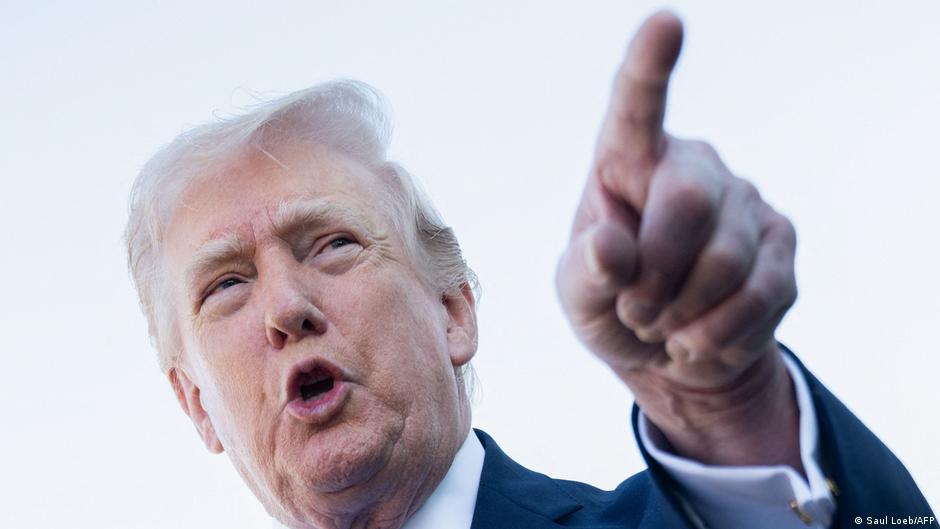
US President Donald Trump announced on May 18 that he has postponed a "planned military strike on the Islamic Republic of Iran" initially scheduled for May 19. The revelation was made via a post on his social media platform, Truth Social.
According to Trump, the decision was influenced by direct appeals from key Gulf leaders: Sheikh Tamim bin Hamad Al Thani, Emir of Qatar; Mohammed bin Salman Al Saud, Crown Prince and Prime Minister of Saudi Arabia; and Sheikh Mohammed bin Zayed Al Nahyan, President of the United Arab Emirates. Trump indicated that "serious negotiations" are currently underway.
Prospects for a Diplomatic Deal and Military Readiness
Trump expressed optimism that an agreement acceptable to the United States and all Middle Eastern countries could be reached. The deal reportedly would include strict prohibitions on Iran's nuclear weapons capabilities. The President also noted that the US military remains on high alert. He instructed Pentagon chief Lloyd Austin, Joint Chiefs Chairman Mark Milley, and US Armed Forces to be prepared for a full-scale offensive against Iran should diplomatic efforts fail.
"The leaders of Qatar, Saudi Arabia, and the UAE believe a deal can be reached that is acceptable to the US and all countries in and beyond the Middle East," Trump stated.
Prior to this announcement, there had been no public knowledge that the US planned a strike on Tehran on May 19. A spokesperson for Iran’s Ministry of Foreign Affairs confirmed that Tehran’s position has been communicated to Washington through Pakistan.
On May 17, Iran’s state news agency Fars published a list of five US demands for the second round of peace talks with Tehran. These include the removal of 400 kilograms of enriched uranium from Iran, allowing only one operational nuclear facility, refusal of any war damage compensation to Iran, blocking the unfreezing of even 25% of Iran’s frozen assets, and linking the cessation of hostilities directly to negotiation progress.
Iranian officials view these conditions as attempts to extract concessions unattainable through ongoing conflict and warn that threats of aggression by the US and Israel will persist despite compliance. Consequently, Iranian-backed media report a deadlock in negotiations.
Fars also reminded that Iran’s demands—such as ending hostilities including in Lebanon, lifting all sanctions, freezing compensation, and recognizing Iranian sovereignty over the Strait of Hormuz—preceded the US conditions.
Tehran has affirmed it will not return to negotiations without fulfillment of these demands, considering them minimal confidence-building measures.
Ongoing Tensions and Military Maneuvers
Since a truce brokered by Pakistan in April, both the US and Iran have repeatedly violated the ceasefire. The US Navy has enforced port blockades in Iran since April 13, while Iranian drones have launched continuous attacks on shipping in the Strait of Hormuz and military installations in Gulf countries.
This complex interplay of diplomacy and military posturing underscores the fragile stability in the region and the high stakes for global markets sensitive to Middle Eastern geopolitical risks.