Russia Deploys Shadow Air Fleet to Sustain Military Operations in Africa’s Sahel Region
A complex network of military and private aircraft bypasses Western sanctions to supply Russian forces in Africa, analysts report.
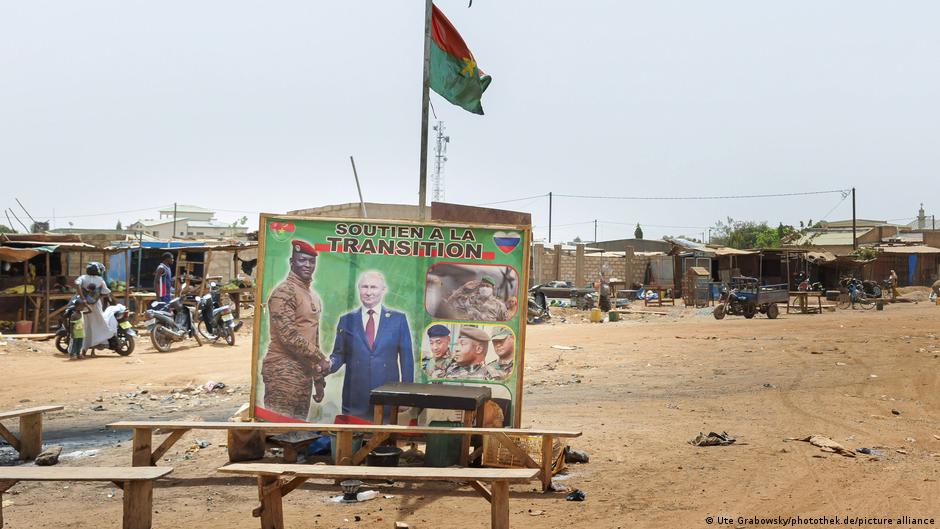
Russia has established a "shadow air fleet" to sustain its military operations in Africa's Sahel region, circumventing Western sanctions, according to a detailed report released by the Washington-based Center for Advanced Defense Studies (C4ADS) and reported by Euractiv on August 22, 2026.
Extensive Air Logistics Network Supports Russian Forces
The network involves an extensive array of both military and private aircraft operating between Russia and key African countries including Mali, Burkina Faso, and Niger. C4ADS analysts estimate that from January 2025 through July 2026, at least 75 flights have been conducted to deliver personnel and material support to Russian troops deployed in the region.
This shadow aviation fleet is reportedly maintained through coordination among military operators, government bodies, and private transport companies. The operational model resembles the mechanisms employed by Moscow for its shadow fleet used in maritime oil exports, highlighting a sophisticated logistics infrastructure designed to evade international restrictions.
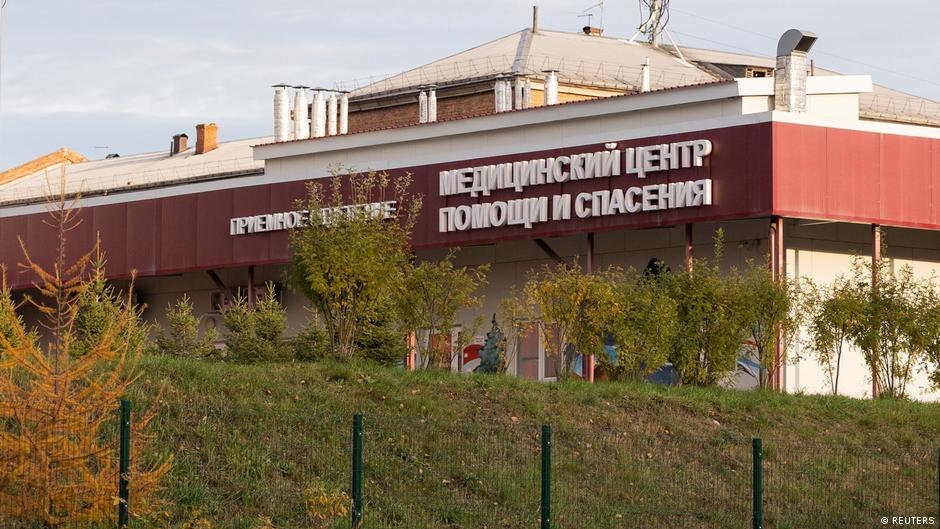
The primary operator identified is the 224th Flight Detachment, a government-controlled entity under the Russian Ministry of Defense, which has already been subjected to U.S. sanctions. In addition, private companies such as Sapsan Airlines and Liz Aviation, alongside the Russian Ministry of Emergency Situations' aviation assets, play key roles in the network. Notably, these latter entities are not currently under sanctions from the European Union, the United States, or the United Kingdom.
"If these aircraft and companies knowingly transport Russian military personnel or cargo to support units in Africa, targeted sanctions should be imposed regardless of where the aircraft are registered," said Czech MEP Tomas Zdechovsky, urging urgent EU evaluation.
Flight paths indicate that government-owned aircraft frequently transit through Russian-controlled bases in Syria and Libya, while private carriers favor commercial hubs in Turkey, Algeria, and the United Arab Emirates. This diversified routing complicates efforts to monitor and disrupt the supply chain.
The findings call for immediate attention from European Union institutions and member states, as the shadow air fleet enables sustained Russian military influence in Africa despite ongoing international sanctions.