Lithuania, Poland, and France Launch Joint Military Drills Near Suwalki Corridor Amid Rising Tensions
Joint exercises aim to enhance infantry operations and defense capabilities in the strategically vital Suwalki Corridor from June 16 to 26.
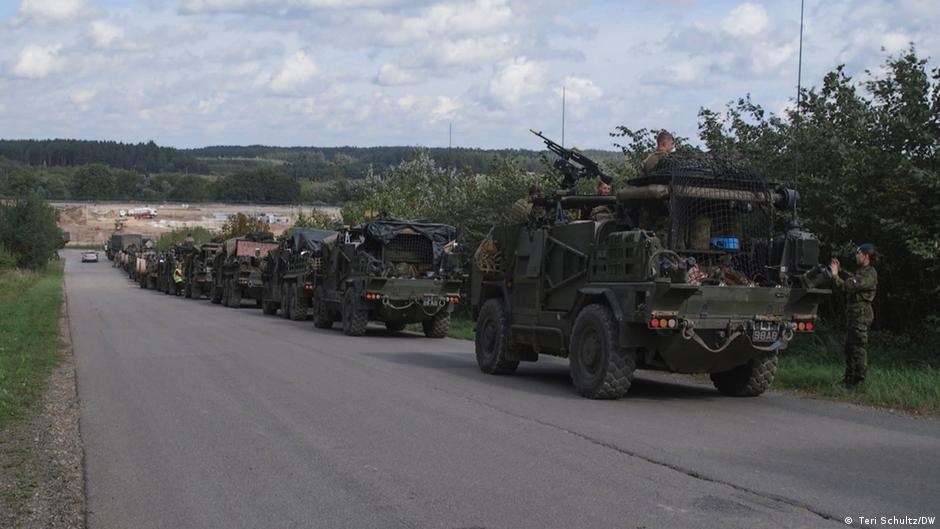
From June 16 to 26, Lithuania, Poland, and France are conducting joint military exercises titled "Gallant Boar 2026" near the Suwalki Corridor, a narrow land passage connecting the Baltic states to the rest of the European Union. These exercises focus on synchronized infantry operations and improving defenses critical to securing this strategically significant area.
Strategic Importance of the Suwalki Corridor and Regional Military Build-up
The Suwalki Corridor, less than 100 kilometers wide and situated between Russia's Kaliningrad exclave and Belarus, is regarded by NATO and the European Union as a key vulnerability. Its control is essential to maintaining land access to Lithuania, Latvia, and Estonia. NATO fears that in the event of a military conflict, Russia might attempt to seize this corridor, effectively isolating the Baltic states from the alliance's mainland.
As a result, Poland and Lithuania have intensified security measures around the corridor. The Lithuanian parliament recently approved the construction of a new military training ground near the corridor, expected to be completed by 2028. This facility will accommodate up to 4,000 troops, enhancing readiness and rapid response capabilities in the area.
"We see that Russian armed forces are concentrating on positions all directed westwards, with increased armaments and personnel. Analysts estimate a potential peak of this buildup by 2029," said German Bundeswehr Chief of Staff Carsten Breuer.
Satellite imagery released by Scandinavian and Baltic media outlets reveal the expansion and development of Russian military bases along its western border. Finnish defense expert Marko Eklund noted that post-Ukraine conflict, Russia appears to be deploying up to 115,000 troops in this region, signaling preparations for possible future confrontations.
Despite these developments, NATO's Supreme Allied Commander in Europe, U.S. General Christopher G. Cavoli, expressed confidence that Russia is unlikely to provoke an open conflict with the alliance. He stated that Moscow recognizes NATO's asymmetric advantages, which would make such escalation futile.
The ongoing multinational drills near the Suwalki Corridor not only enhance interoperability among allied forces but also serve as a deterrence signal to Russia amid escalating military tensions in Eastern Europe.