US Treasury Imposes New Sanctions on Cuban Leadership Amid Rising Tensions
Washington escalates economic pressure on Cuba by targeting President Díaz-Canel and Castro family members with additional sanctions.
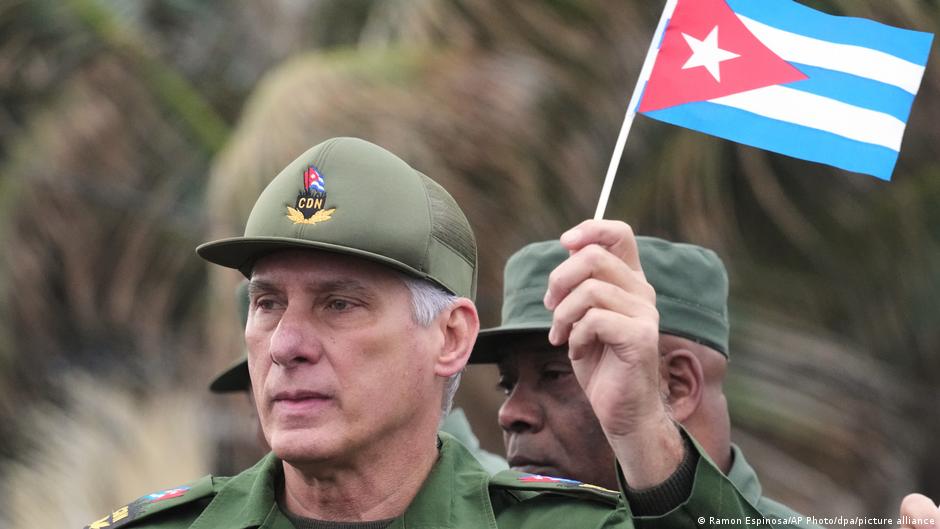
The United States has expanded its sanctions against Cuba's leadership, intensifying economic pressure amid ongoing diplomatic tensions. On June 4, the White House imposed new sanctions targeting Cuban President Miguel Díaz-Canel, his wife and stepson, as well as family members of former leader Raúl Castro.
These measures mark a continuation of Washington's strategy to exert influence over Havana, which has been strained for several months. The US State Department had already placed sanctions on Díaz-Canel in July 2019. The latest actions, administered by the US Treasury Department, broaden the scope to include more individuals within the Cuban ruling elite.
Sanctions Target Key Figures in Cuba's Political Hierarchy
The sanctions now cover not only President Díaz-Canel but also his immediate family. Additionally, Raúl Castro's son and a grandson have been added to the list. Although Raúl Castro, brother of the late revolutionary leader Fidel Castro, no longer holds official government roles, he remains influential in Cuba's political decision-making.
Last month, the US charged Raúl Castro with involvement in the 1996 destruction of two civilian aircraft that resulted in four deaths. This move signals a hardening US stance toward Cuban officials linked to past and present governmental actions.
"Washington continues to intensify pressure on Havana, reflecting deeper geopolitical and economic disputes between the two nations," experts note.
The Cuban government has accused the US of seeking pretexts for military intervention, while former US President Donald Trump threatened multiple times to "take control" of Cuba. The island nation, located merely about 145 kilometers from Florida’s southern tip, has been under a US economic embargo since 1962.
Currently, Cuba is confronting its worst economic crisis since the Soviet Union's collapse, suffering from frequent power outages and fuel shortages. The situation has deteriorated partly due to the January capture of Venezuelan President Nicolás Maduro by US forces, which led to a halt of Venezuelan oil shipments to Cuba, severely impacting the island’s energy supply.
The combined effect of sanctions and supply chain disruptions has intensified economic hardships in Cuba, exacerbating an already fragile situation.