US State Department Announces Ceasefire Agreement Between Israel and Lebanon Amid Regional Conflict
Israel and Lebanon, facilitated by the US, agree to ceasefire requiring Hezbollah’s withdrawal from south of the Litani River
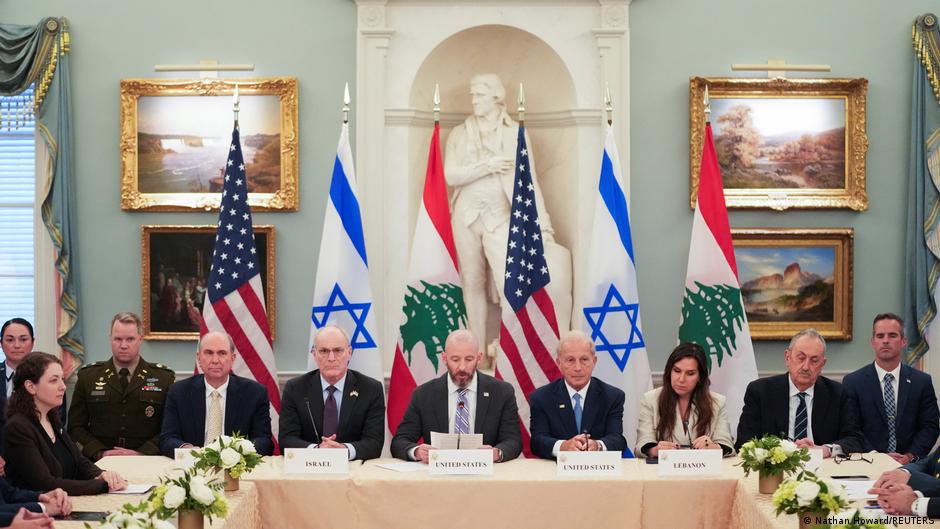
The United States State Department has announced a ceasefire agreement between Israel and Lebanon, brokered through American mediation. The agreement stipulates a complete halt to hostilities by Hezbollah, including the withdrawal of its militants from the area south of the Litani River.
This trilateral announcement, released on Wednesday, June 3, comes after two days of negotiations in Washington involving representatives from both Israel and Lebanon. The agreement’s success hinges on Hezbollah’s full cessation of fire and troop withdrawal from the designated sector.
"The ceasefire agreement depends on Hezbollah's full cessation of fire and withdrawal of militants south of the Litani River," the US State Department statement said.
Terms and Ongoing Negotiations
As part of the ceasefire conditions, pilot zones will be established, which will be exclusively monitored by the Lebanese Armed Forces. Both parties intend to resume direct talks during the week starting June 22 to finalize a comprehensive agreement addressing outstanding issues.
The recent surge in armed conflict traces back to the escalation of hostilities involving the US and Israel against Iran. Since early March, Hezbollah has renewed rocket attacks on Israel, retaliating for the killing of Iran’s Supreme Leader Ayatollah Ali Khamenei during US-Israeli strikes.
In response, the Israeli Air Force launched extensive air campaigns, including strikes on Beirut, Lebanon’s capital. Israel also initiated a ground operation in southern Lebanon with the goal of creating a buffer zone between the Litani River and its border.
The Lebanese Ministry of Health reports approximately 2,200 casualties from the fighting and bombings, including many women and children. The Israeli military estimates over 1,700 Hezbollah fighters killed since March. Civilian casualty figures remain uncertain.
Earlier diplomatic efforts included the first direct talks between Israeli and Lebanese ambassadors since 1993, held in Washington on April 14. On April 16, US President Donald Trump declared a ceasefire between Israel and Hezbollah. The truce was extended by 45 days, but hostilities soon resumed.
On June 1, Axios reported that President Trump vocally reprimanded Israeli Prime Minister Benjamin Netanyahu over strikes on southern Beirut suburbs the same day. These actions led Tehran to announce a suspension of talks with Washington to end the conflict. However, President Trump denied the suspension, emphasizing that negotiations "continue at a rapid pace." On his social platform, Truth Social, Trump stated he brokered the ceasefire between Israel and Lebanon, ensuring the ongoing dialogue.
Market participants should closely monitor developments as the ceasefire may impact regional stability, commodity prices, and defense sector equities.