US House Approves Sanctions Against Russia and Military Aid for Ukraine
The US House passes a bill imposing new sanctions on Russia and boosting military support for Ukraine, pending Senate approval.
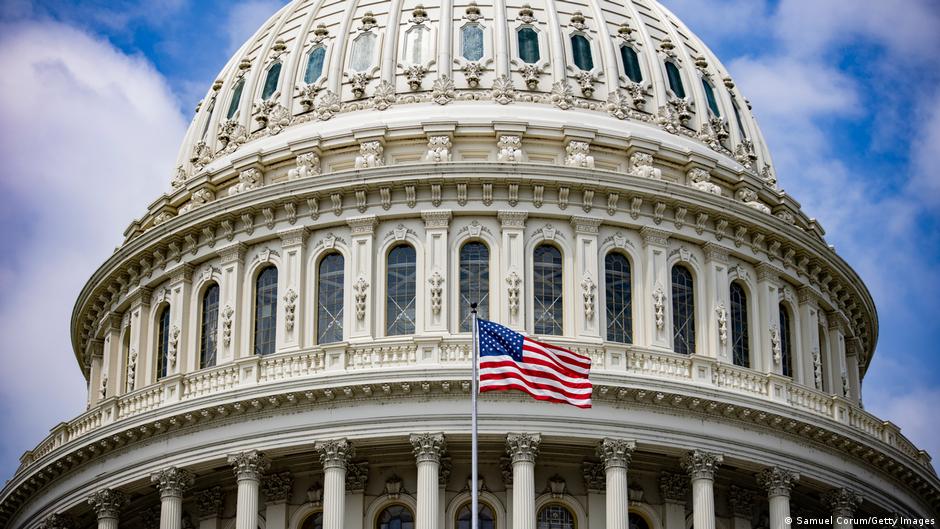
The US House of Representatives has passed a significant bill aimed at increasing military assistance to Ukraine and imposing additional sanctions on Russia. The legislation, approved on June 5, 2024, received support from 226 members, including 207 Democrats, 18 Republicans, and one independent. However, for the bill to become law, it must still be approved by the US Senate.
Key Provisions and Market Implications
The bill, introduced in April, establishes a dedicated fund for Ukraine's reconstruction and renews presidential authority to transfer defense assets to Ukraine and Eastern European countries via lending or leasing mechanisms. Notably, the Pentagon will have the ability to provide Ukraine with intelligence support until the end of 2027. The US State Department is also tasked with strengthening the military and border control capabilities of the Baltic states.
On the sanctions front, the legislation expands tools for pressuring Russia by granting the US president broader powers to impose additional sanctions, block assets of Russian individuals and entities, and enact new export controls and tariffs. These measures aim to further restrict Russia's economic capacity to continue its military operations in Ukraine.
Additionally, the bill promotes enhanced cooperation with European allies, including arms deliveries, training for Ukrainian forces, and intelligence coordination, signaling a heightened commitment to collective security in the region.
"This decision reflects continued bipartisan support for Ukraine in the United States," stated Ukraine's ambassador to the US, highlighting the political backing underpinning the aid package.
Market participants should watch for potential shifts in sector rotation and trading volumes in defense stocks, energy commodities, and industries sensitive to geopolitical risk as the bill advances through the Senate. The expanded sanctions and increased military aid could pressure Russian energy exports, disrupt supply chains, and influence global commodity markets.
The next crucial step is Senate review, where political dynamics between Democrats and Republicans will shape the bill's fate. Some Republican senators advocate for reduced foreign aid, creating uncertainty around final approval.
Furthermore, former President Donald Trump could exercise his veto power if he returns to the White House in January 2025. His previous administration slowed aid to Ukraine and emphasized maintaining executive control over sanction decisions rather than ceding authority to Congress.
Traders and analysts should closely monitor developments in the Senate and any White House response, as the outcome will have immediate implications for global markets, particularly in sectors linked to defense, energy, and emerging geopolitical risks.