UN Peacekeeping Forces Shrink to 25-Year Low Amid Funding and Geopolitical Strains
SIPRI reports a 49% reduction in UN peacekeepers since 2016, highlighting critical funding gaps and political challenges impacting global missions.
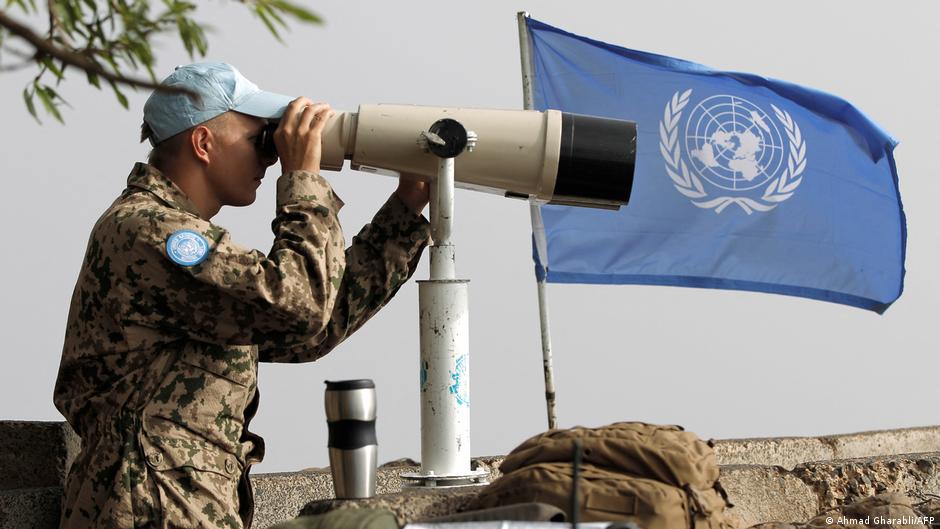
The United Nations peacekeeping operations have seen a sharp decline in personnel, reaching their lowest level in 25 years by the end of 2025, according to a recent report by the Stockholm International Peace Research Institute (SIPRI).
As of December 31, 2025, just 78,633 international peacekeepers were deployed worldwide, marking a 49% decrease compared to 2016 and the smallest contingent since 2000. This significant drop in personnel underscores the mounting financial difficulties and geopolitical tensions restricting the UN's capacity to maintain its peacekeeping footprint.
Funding Shortfalls and Political Pressures Curtail Peacekeeping
Over the past decade, the number of peacekeepers has been on a downward trend, but 2025 witnessed the most substantial annual reduction yet—a 17% contraction in deployed forces. SIPRI attributes this accelerated decrease to a confluence of factors including strained international relations, political pressures from influential UN Security Council members, and a critical funding crisis.
"If this trend continues, we will witness a dramatic weakening of multilateral conflict resolution efforts and an almost complete loss of relevance for institutions like the UN," warned Yair Van Der Leyn, SIPRI’s Director of Peace Operations and Conflict Resolution.
He further noted that the reduction in peacekeeping personnel could lead to an increase in conflicts with severe humanitarian consequences, as states retreat from established norms of international cooperation.
During 2025, the UN conducted 58 peacekeeping missions across 34 countries or territories, four fewer than in 2024. Notably, the UN peacekeeping mission in Nagorno-Karabakh was among those not renewed. Geographically, Sub-Saharan Africa and Europe hosted the majority of peacekeeping operations (18 combined), followed by the Middle East and North Africa (14), the Americas (5), and Asia and Oceania (3). Nearly 73% of peacekeepers were concentrated in just five missions, four of which were located south of the Sahara.
Financially, the peacekeeping budget faced a significant shortfall in 2025. Key donor countries failed to fulfill their financial commitments on time or in full, leading to a $2 billion deficit in July 2025 alone, equivalent to 35% of the $5.6 billion budget for 2024-2025. This funding gap forced the UN to sharply reduce personnel in several missions.
Political challenges also complicated mandate extensions. Persistent veto threats from permanent members of the UN Security Council delayed or disrupted approvals. For example, despite multiple ceasefire violations between Israel and Lebanon in 2024, the United States pushed to end the UN Interim Force in Lebanon (UNIFIL) during 2025 negotiations. A last-minute compromise extended the mission only until December 2026.
Since 2014, the UN has not authorized any new peacekeeping mandates, relying instead on regional organizations such as the African Union, ECOWAS, and the Organization for Security and Cooperation in Europe (OSCE) to deploy missions. However, these organizations face similar funding shortages and political deadlocks, as seen in conflict zones like Sudan and Ukraine, reflecting broader geopolitical rivalries.
"Regional organizations lack the essential capabilities for successful, integrated peacekeeping and suffer from funding and decision-making challenges just like the UN," explained Claudia Pfeiffer Cruz, SIPRI Senior Researcher on Peace Operations.
She emphasized that as UN-led conflict resolution efforts wane, a growing gap emerges that alternative peacekeeping models are unable to fill.
International Support Remains Steady Despite Challenges
Despite the setbacks, international backing for peacekeeping remains broadly stable. Over 130 UN member states participated in the May 2025 UN Peacekeeping Ministerial in Berlin, reflecting ongoing political will to sustain these operations.
Claudia Pfeiffer Cruz stressed that the collapse of multilateral crisis management is not inevitable. However, she highlighted the urgent need for states to move beyond verbal support by ensuring predictable financing and establishing a political framework conducive to effective multilateral peacekeeping missions.
As geopolitical tensions complicate the global security landscape, the future of UN peacekeeping hinges on renewed commitment and reliable funding to prevent further erosion of international conflict management mechanisms.