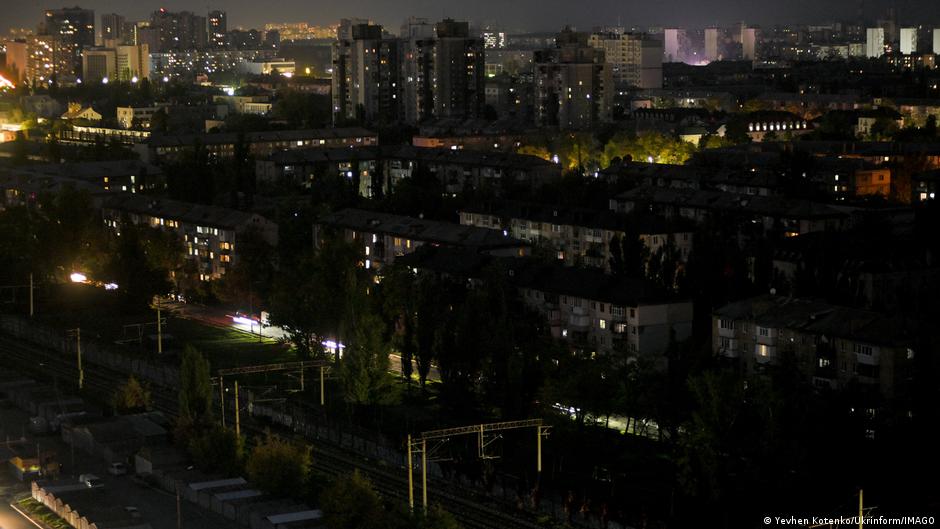
Russian Forces Launch Largest Ballistic Missile Strike on Kyiv, Causing Multiple Fires and Casualties
Massive overnight missile attack on Kyiv results in fires, building damage, and at least one fatality amid ongoing conflict.
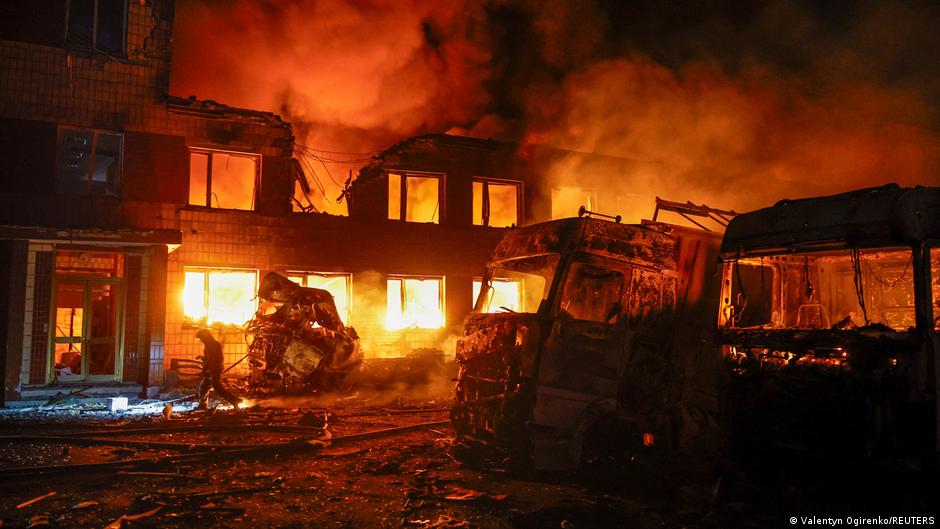
In the early hours of July 19, Russian military forces launched a large-scale ballistic missile strike against Kyiv, marking one of the most significant attacks on the Ukrainian capital in recent weeks. The assault caused multiple fires across several districts, damaged residential and commercial buildings, and resulted in casualties, including at least one confirmed death.
Details of the Attack and Impact on Kyiv
The missile barrage triggered an air raid alarm throughout Kyiv, with multiple explosions heard across the city. According to reports from local officials, the Dniprovskyi district experienced heavy damage near a shopping center where a fire broke out due to falling debris. A nearby dormitory building also caught fire following the missile impacts.
In the Shevchenkivskyi district, a three-story annex to an administrative building was set ablaze, and over ten parked vehicles were damaged by the blasts. Windows were shattered in adjacent residential buildings, indicating the widespread impact of the explosions.
Further destruction was reported in the Solomianskyi district, where missile fragments damaged the glass facades of a nine-story apartment building. Additionally, fires broke out on the roof of a supermarket and in an adjoining residential block, exacerbating the extent of the damage.
"The missile strikes led to fires in multiple Kyiv districts, damaging residential, commercial, and administrative buildings," stated Kyiv Mayor Vitali Klitschko.
Emergency services responded promptly to contain the fires and assist affected residents. Preliminary casualty reports indicate eight people were injured during the attack, with one fatality confirmed by the Kyiv City Military Administration.
Market and Security Implications
The attack on Ukraine's capital has immediate implications for regional security and may trigger reactive movements in market sectors sensitive to geopolitical risk, including energy, defense, and commodities. Investors are closely monitoring developments as this escalation could influence trading volumes and sector rotations, particularly in European and global markets.
Given the evolving security situation, market participants should remain attentive to potential volatility driven by ongoing military actions and their broader economic impact.