Russia Signs Military-Technical Cooperation Deal with Taliban Amid Geopolitical Shifts
Russia and Afghanistan’s Taliban formalize military-technical cooperation, signaling potential arms transfers and strategic ties.
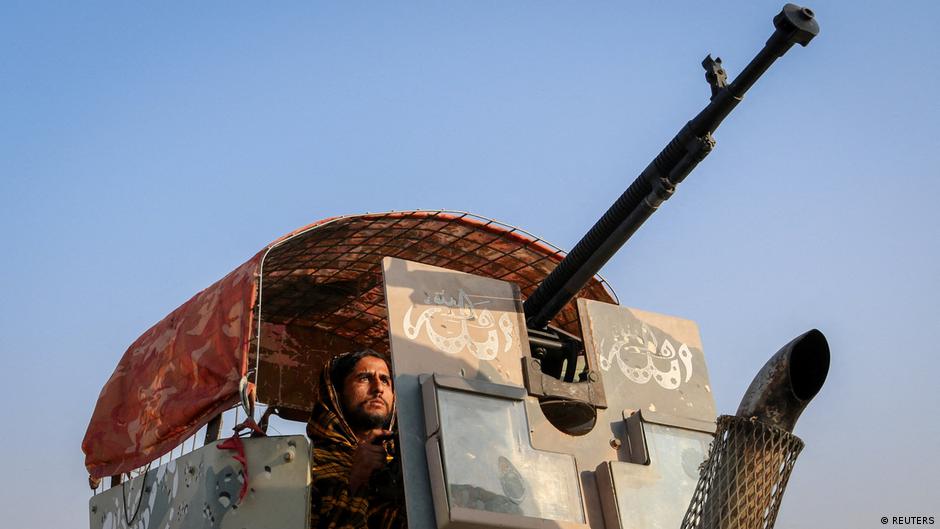
Russia has signed a military-technical cooperation agreement with Afghanistan’s ruling Islamist militant group, the Taliban. The deal, inked during the International Security Forum near Moscow, may pave the way for future transfers of Russian weaponry and military technologies to the Taliban.
Details and Implications of the Agreement
The agreement was announced on May 27 and signed on the sidelines of the forum held in the Moscow region. Specific terms of the cooperation remain undisclosed. Such accords typically encompass the exchange of arms, military licenses, technology transfers, and joint defense projects, according to regional experts.
Russian Security Council Secretary Sergey Shoigu met with Afghanistan’s Defense Minister Mohammad Yaqoob, a former Taliban military commissioner and son of the movement’s founder, Mullah Mohammed Omar. Following their talks, Yaqoob stated that Moscow and Kabul have "expanded bilateral relations." Shoigu urged Western countries to unfreeze Afghan assets and fund the nation’s reconstruction efforts.
"The deal symbolizes growing ties but does not yet indicate substantial military collaboration," said regional analyst Ruslan Suleymanov.
While some view the agreement as largely symbolic, it reflects Moscow’s diplomatic engagement with the Taliban regime, which seized power in Afghanistan in 2021 after the withdrawal of U.S. forces. In 2024, President Vladimir Putin described the Taliban as "allies in the fight against terrorism," and in 2025 the Kremlin removed the Taliban from its list of terrorist organizations and accepted its ambassador in Moscow.
However, this position is not universally shared. Nations like Tajikistan, Turkey, and Canada continue to classify the Taliban as a terrorist group. The new military-technical cooperation agreement may raise concerns among Western governments and regional neighbors, especially amid ongoing instability in Afghanistan and the broader Central Asian region.
The deal may also impact defense sector dynamics, potentially affecting arms flows and market confidence related to Russia’s military exports. Market participants will likely monitor closely for any tangible military transactions or joint ventures arising from the agreement.
As geopolitical alliances evolve, Russia’s engagement with the Taliban highlights a strategic shift that could reverberate across security and defense markets, influencing trade volumes and sector rotations linked to arms manufacturing and military technology development.