Kremlin Rejects Anti-War Appeal by Cannes Winner Zvyagintsev, Highlighting Silenced Russian Voices
Kremlin spokesperson refuses to forward Cannes Grand Prix winner Zvyagintsev’s call to end the Ukraine conflict, underscoring millions of Russians’ lack of voice.
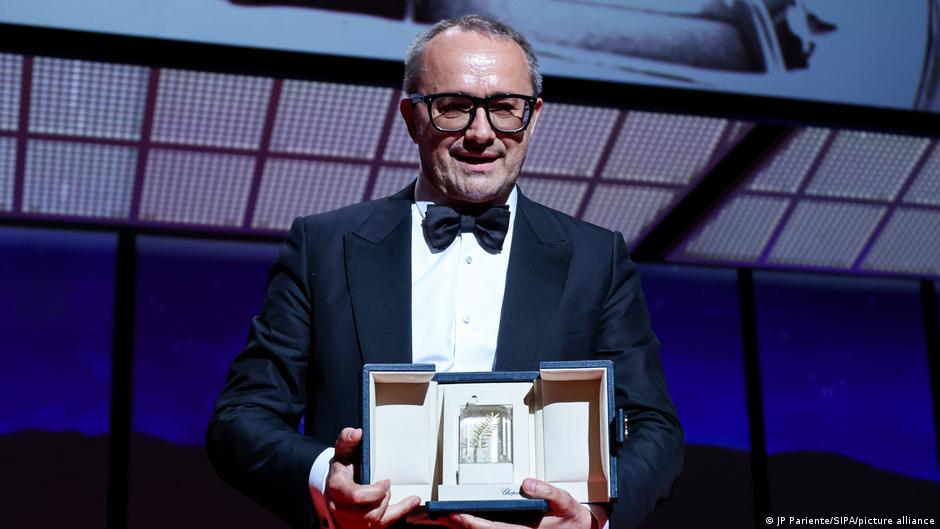
Anti-War Message from Cannes Laureate Faces Kremlin Rebuff
Andrei Zvyagintsev, acclaimed Russian film director and recipient of the Cannes Film Festival Grand Prix for his film "The Minotaur," has publicly called on President Vladimir Putin to end the ongoing war in Ukraine. His plea, delivered during the Cannes award ceremony on May 23, was met with applause from the audience but was promptly dismissed by the Kremlin.
In his speech, Zvyagintsev urged the Russian leader to halt the "countless killings" taking place along the conflict line, emphasizing that "millions of people on both sides are dreaming of one thing: to finally end the slaughter." He described Putin as the sole individual capable of stopping the "meat grinder" and called for the war to cease immediately. His heartfelt message was perceived as a rare and courageous public anti-war call from a prominent Russian cultural figure.
"Yes, it's true—I have no voice, just as hundreds of millions of Russians have none today. You have never heard their voices." – Andrei Zvyagintsev
However, Kremlin press secretary Dmitry Peskov declined to relay Zvyagintsev’s message to the president. In a briefing on May 25, Peskov stated that Zvyagintsev "never condemned the bloody conflict orchestrated by the Kyiv regime in Donbas since 2014" and suggested that if he had done so earlier, he might have had the right to voice his opinions. According to Peskov, Zvyagintsev "does not have that right now." Furthermore, Peskov made it clear he himself would not forward the director’s appeal and doubted anyone else would do so.
Reflection on the Silencing of Russian Public Opinion
Zvyagintsev responded with sharp criticism of the Kremlin’s stance, highlighting the broader issue of political disenfranchisement experienced by millions of Russians. He noted that for years, dissenting voices have been marginalized or dismissed by the authorities, referencing previous years such as 2008, 2011, and 2014 when similar silences were imposed.
He suggested that Russia is approaching a dead end and stressed that the only rational and saving course of action is to cease the "senseless and merciless war" without further delay. Zvyagintsev condemned the ongoing suffering, pointing to the grief, disillusionment, and physical devastation endured by ordinary citizens, including the loss of young lives vital for the country’s future.
"Nothing but sorrow and tears, disappointment and depressive apathy, severed limbs of your fellow citizens for a phantom goal, and the extermination of young people needed for building life and the future," he said, warning that there is no positive outcome ahead if the war does not stop.
This episode underscores the continuing suppression of anti-war sentiment within Russia amid the ongoing conflict with Ukraine, as well as the challenges faced by prominent cultural figures attempting to break through state-controlled narratives. It also highlights the real-time impact of political messaging on domestic public opinion and its implications for market sentiment and economic stability.