Kosovo Prime Minister’s Party Wins Parliamentary Elections with 43% Vote Share
Albin Kurti’s Self-Determination party leads with 43% but needs coalition partners to form government after snap elections.
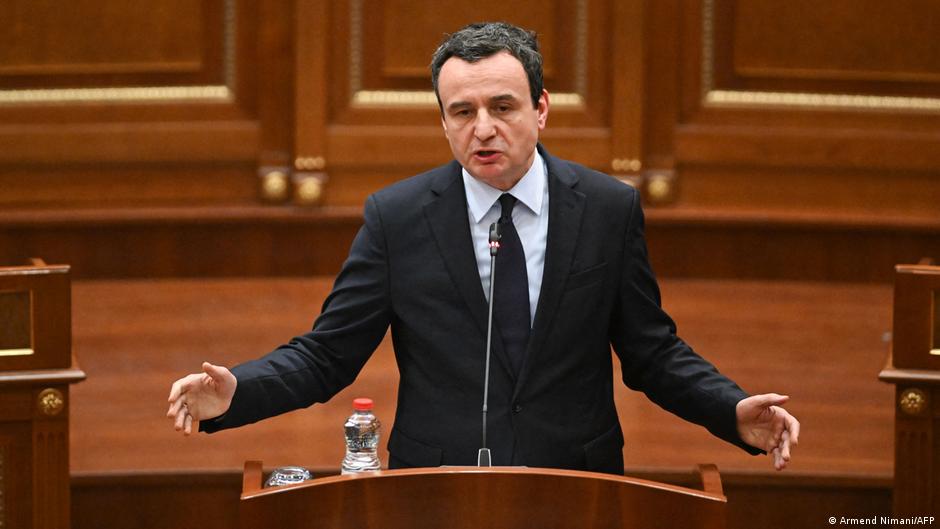
The ruling Self-Determination party in Kosovo, led by Prime Minister Albin Kurti, has secured a victory in the snap parliamentary elections held on June 7, obtaining 43% of the votes according to official results released after counting 99.4% of ballots.
The party’s main challenger, the Democratic Party of Kosovo, garnered 21% of the vote, while the Democratic League of Kosovo took 18%. The Alliance for the Future of Kosovo secured around 7%. Voter turnout was just under 37%, marking a low engagement rate.
Coalition Building Remains Crucial Amid Political Instability
Despite the win, Self-Determination lacks an outright majority and must forge alliances to establish a stable government. This election marks the third parliamentary poll in the Balkan state within the last 18 months, underscoring ongoing political instability.
In the previous December 2025 elections, Kurti’s party had gained 51.1% support; however, the parliament was dissolved in April due to deadlock over the presidency, a primarily ceremonial role.
“The formation of durable state institutions is essential for Kosovo’s progress towards European Union membership,” EU officials have emphasized, urging the new government to enact reforms.
Kurti’s administration pursues a pro-Western agenda with ambitions for EU integration. However, Brussels stresses that Kosovo must build sustainable governance structures as a prerequisite for further reform and eventual accession to the EU.
Kurti, 51, maintains a firm stance on the Serb minority mostly residing in northern Kosovo, aiming to extend government control over the region, which remains a contentious issue.
Kosovo declared independence from Serbia in 2008 but remains unrecognized by Serbia, Russia, and five EU countries including Spain, Cyprus, Greece, Slovakia, and Romania.